
Donald Cammell: A Director's Journey
Part Two of my exclusive interview with Dr. Sam Umland

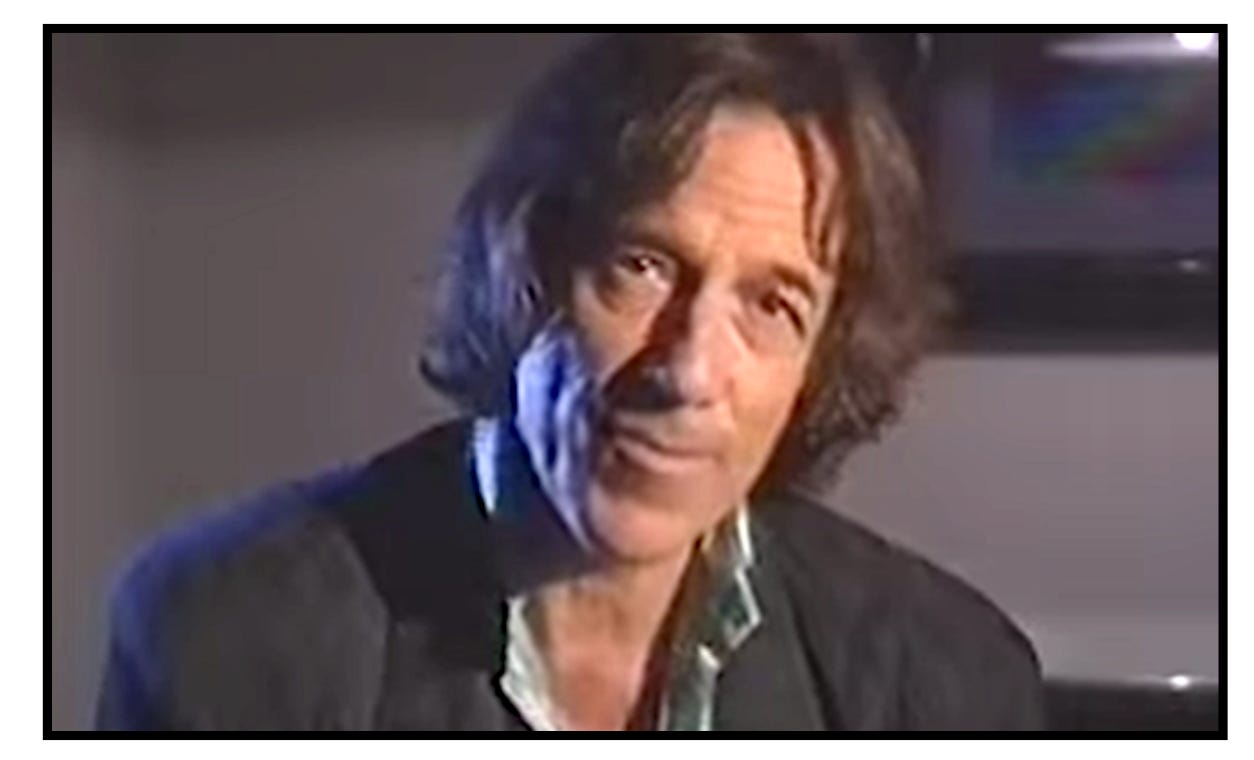
Dr. Sam Umland is the former Chair of the English Department at the University of Nebraska at Kearney, where he taught film and literature for thirty-four years. He is the author of Philip K. Dick: Contemporary Critical Interpretations (Greenwood, 1995), and with his wife, Dr. Rebecca Umland, he co-authored The Use of Arthurian Legend in Hollywood Film (Greenwood, 1996), and Donald Cammell: A Life on the Wild Side (Fab Press, 2006). In addition, Dr. Umland has authored The Tim Burton Encyclopedia (Rowman and Littlefield, 2015), as well as dozens of book chapters, articles, and reviews. His monograph on The Man Who Fell to Earth was published by Arrow Books in 2018.
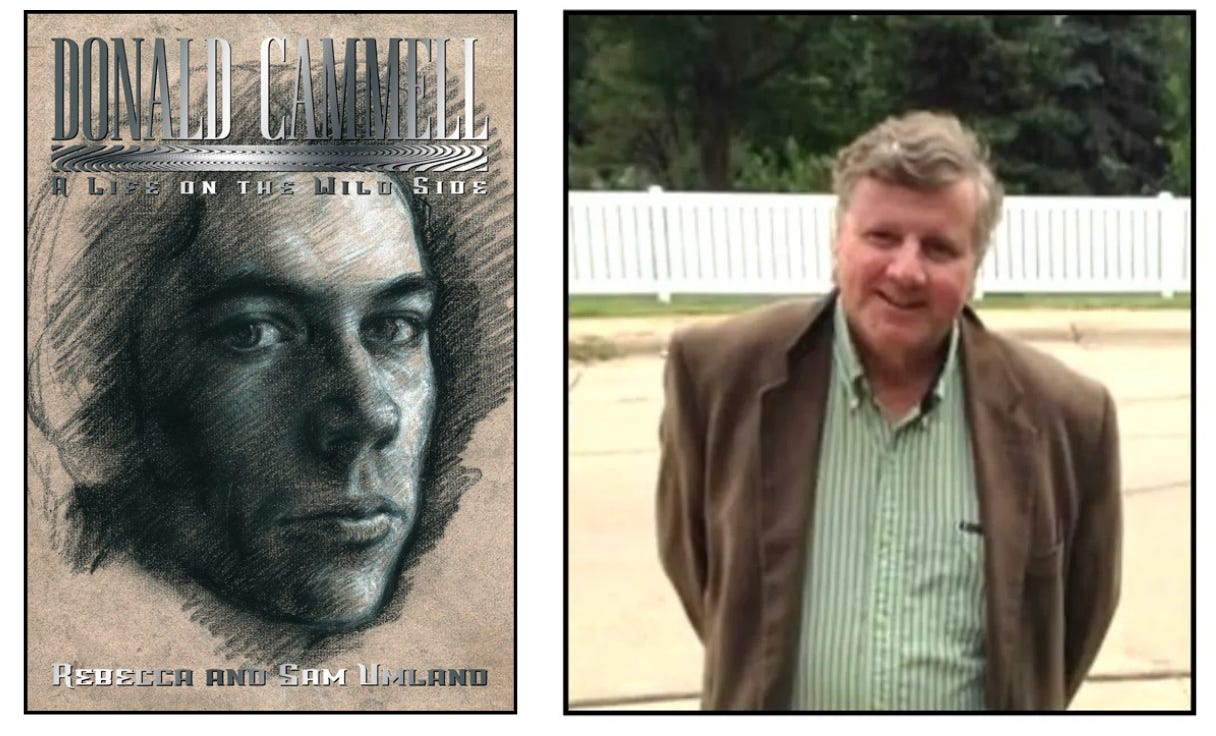
Dr. Umland was kind enough to let me interview him about Donald Cammell, Performance, and the films Cammell made after Performance was released. This is the second half of a two-part interview. If you missed part one of my interview with Dr. Sam Umland, you can read it by clicking here.
JF: Unless they have read your and Rebecca’s biography of Donald Cammell, I doubt people know anything about Donald Cammell’s fascinating life. According to your book, Donald’s father, Charles, was born into great wealth and became a man of letters. How did this affect Donald’s childhood and upbringing?
SU: Donald Cammell’s father, Charles Richard Cammell, inherited an enormous fortune due to his grandfather co-founding a steel foundry in Sheffield in 1837, which, within three decades, had become a world leader in the field. In the early twentieth century the firm became Cammell Laird & Co., famous as shipbuilders.
Unfortunately, Donald’s father lost his inheritance.
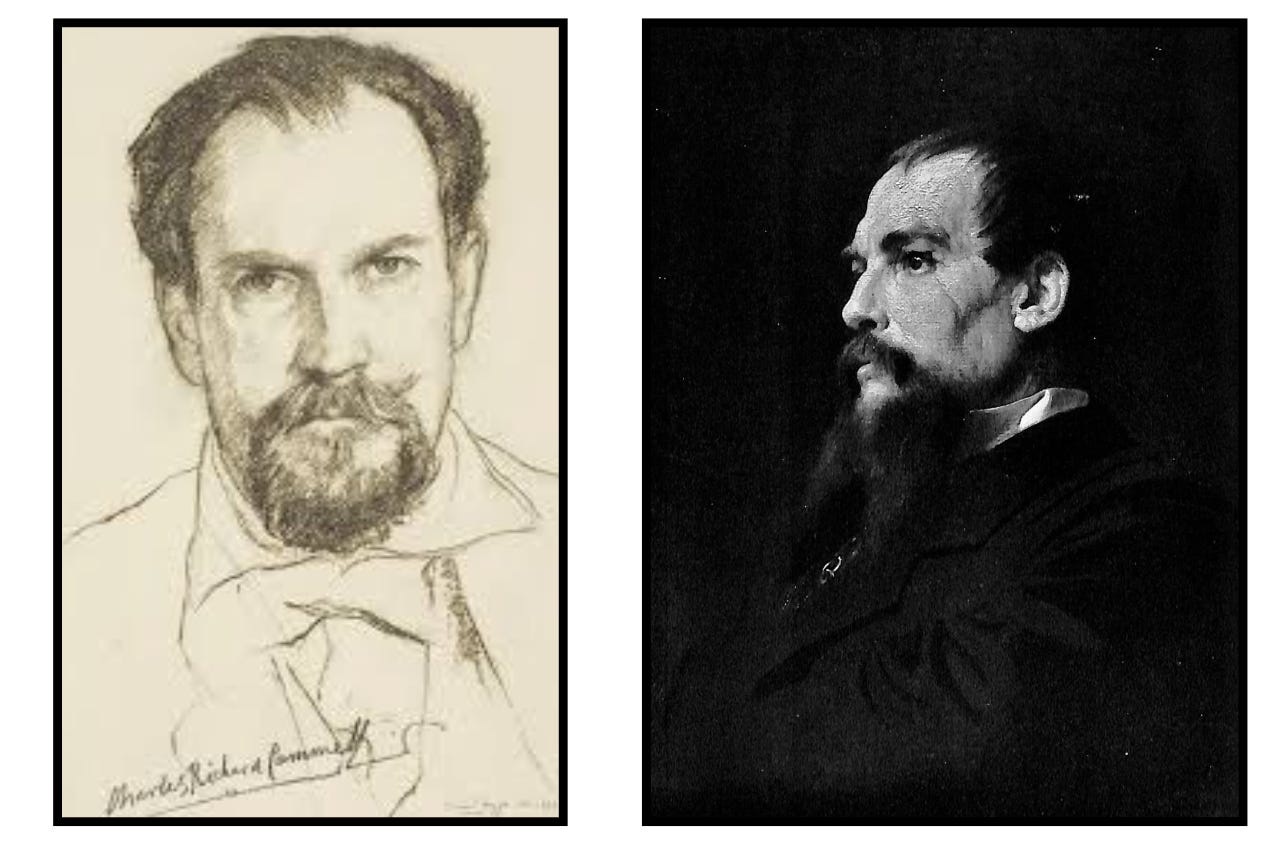
Briefly, he squandered a fortune in a quixotic attempt to restore a seventeenth-century château near Amiens in France which, as historic circumstances would have it, was commandeered by the French military during World War I. His fortune was largely gone by 1930, several years before Donald was born, and his first marriage had ended in divorce.
Returning to Scotland, he re-married, to Iona Katherine Lamont McDonald, in Edinburgh in 1932. Donald Cammell was born in Edinburgh in January 1934. Charles Richard Cammell was a poet and, as they used to say, a man of letters, quite well-educated.
Most certainly his son inherited his love of art and learning. Incidentally, David Cammell told us the last time he drove past the château his father had spent such vast sums to restore decades earlier, it had become “a school for naughty boys.”
JF: When did Donald Cammell first get interested in art? How did he develop into a well-regarded painter?
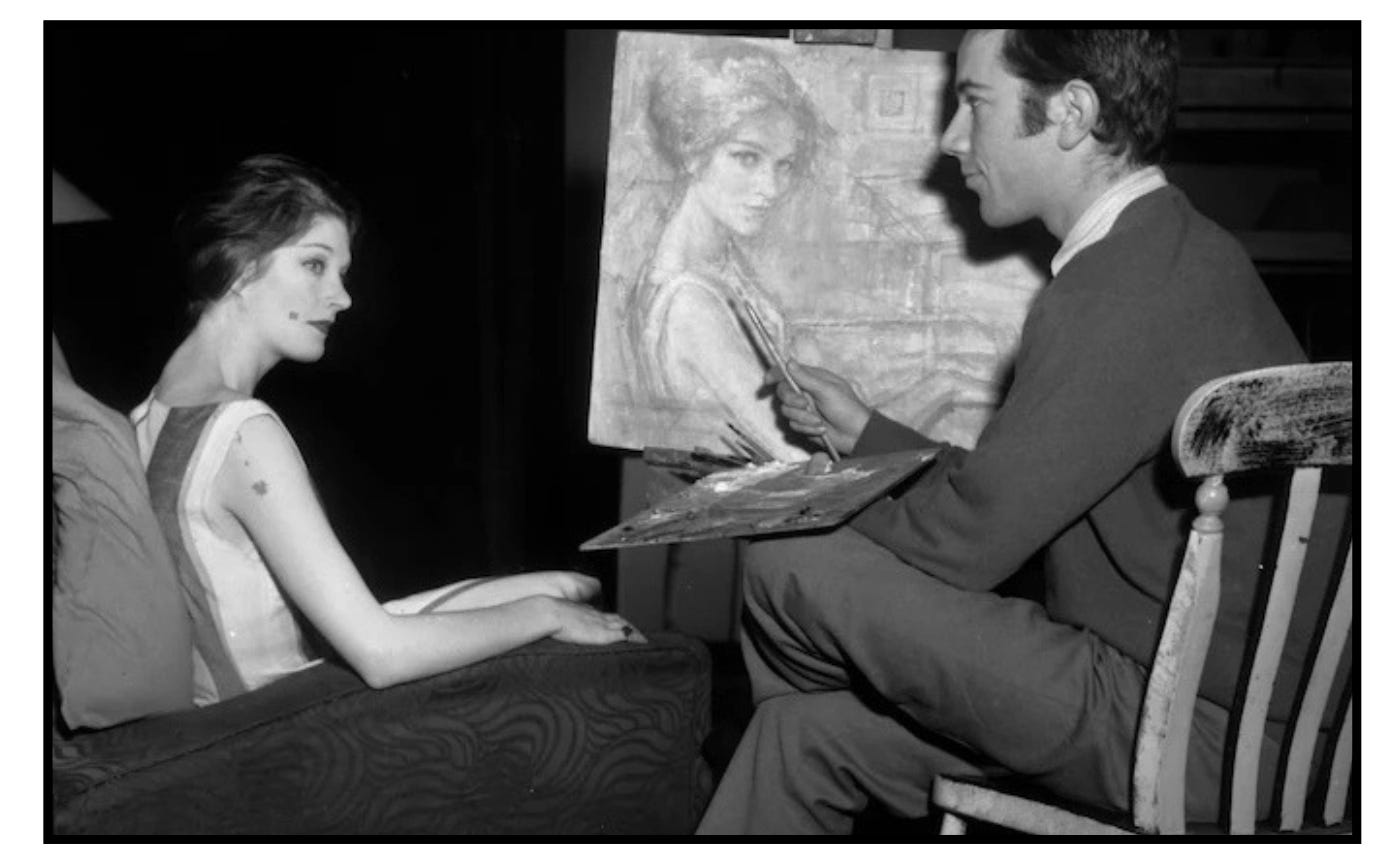
SU: Donald demonstrated precocious artistic talent at an early age. His parents encouraged his artistic talents, especially his father, who was enormously proud of his son’s talent. John Duncan, a noted Scottish painter, was a good friend of the family, and he, too, encouraged Donald’s talent. Donald Cammell would later study at the prestigious Royal Academy of Art in London beginning at age 20 in 1954. He later opened an art studio in Chelsea, where he became a portrait painter.
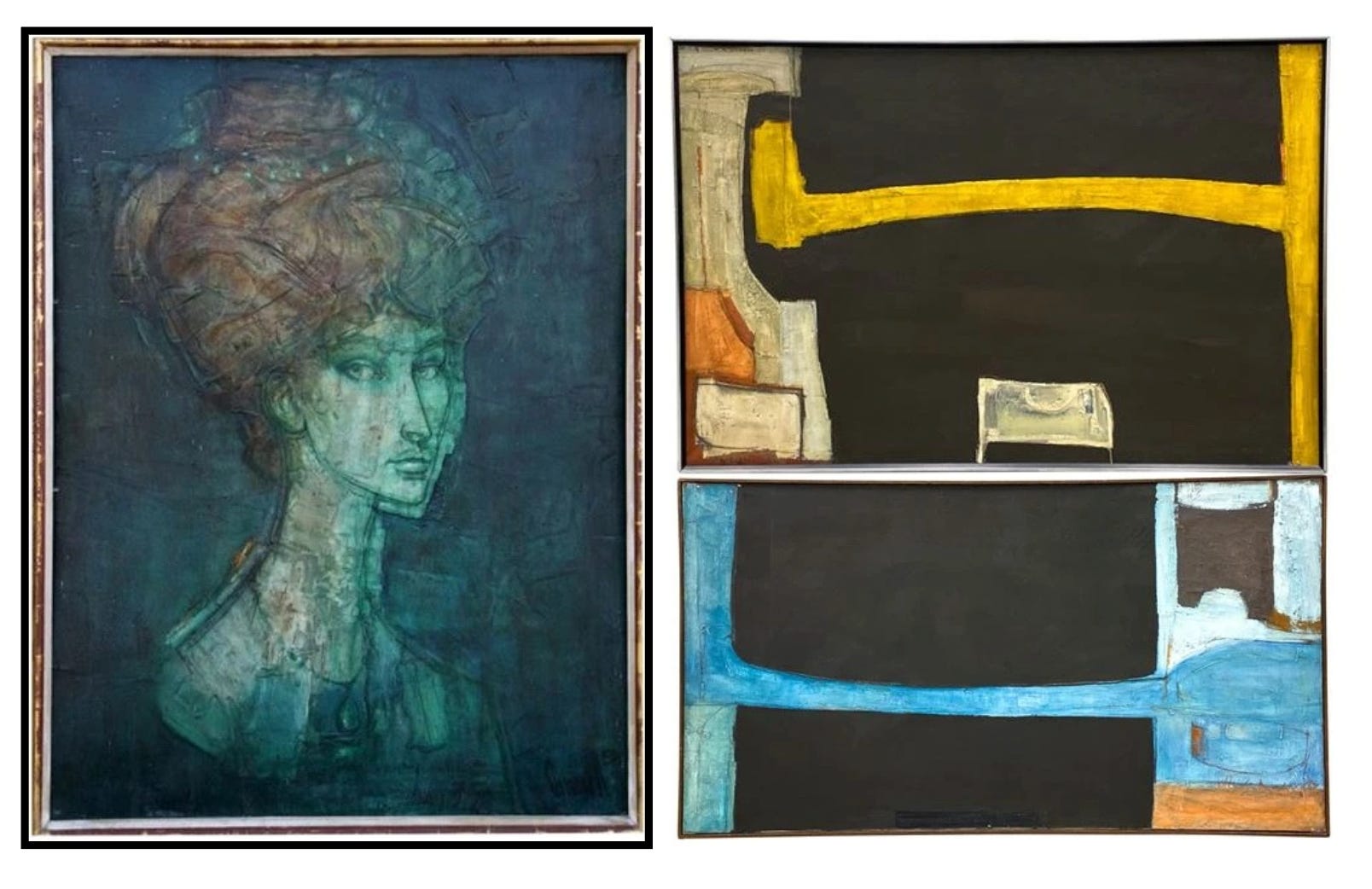
JF: At what point did Donald Cammell decide to give up painting? Why did he make that choice?
SU: I would not say that he gave it up, but he abandoned the idea of a career as a painter. Essentially, he ended his career in 1961, after a failed exhibition at the Bertha Schaefer Gallery in New York, where he had moved late in 1959.
In spite of his hopes, the exhibition had failed to establish him in the New York art world and was one of the reasons he began to be disenchanted with painting as a career.
Consequently, during the summer of 1961, Cammell and his then girlfriend Deborah Dixon, a fashion model, moved to London for a brief time before moving permanently to Paris, where they settled in an apartment on the Rue Delambre in the Montparnasse district.
Occasionally, he would paint portraits when money was scarce, but he never resumed painting as a career. I should also mention the fact that Donald felt the cinema had devalued, if not rendered superfluous, painting, feeling the career he had trained years for was, in effect, no longer relevant.
JF: What were the circumstances that allowed Donald Cammell to write his early two scripts, Avec Avec, which was later released under the title Duffy (1968), and The Touchables (1968), released the same year? Was Donald Cammell mostly interested in screenwriting at this point, or did he already want to direct films?
SU: By 1961, the year Cammell moved to Paris, the French nouvelle vague had transformed world cinema. For someone like Donald Cammell, who had always loved the movies, Paris was the place to be.
While I can’t pinpoint the precise year, he most certainly began writing screenplays soon after his move to Paris in 1961. Cammell had met Roman Polanski in Paris late in 1962 or early 1963 and approached Polanski to direct a picture from a script he, Donald, had written, titled Just a Jackknife Has Macheath, Dear, an offer which Polanski declined. The title of the script, of course, is taken from “Mack the Knife,” a song about a nasty knife-wielding chap in the Brecht/Weill musical, The Threepenny Opera.
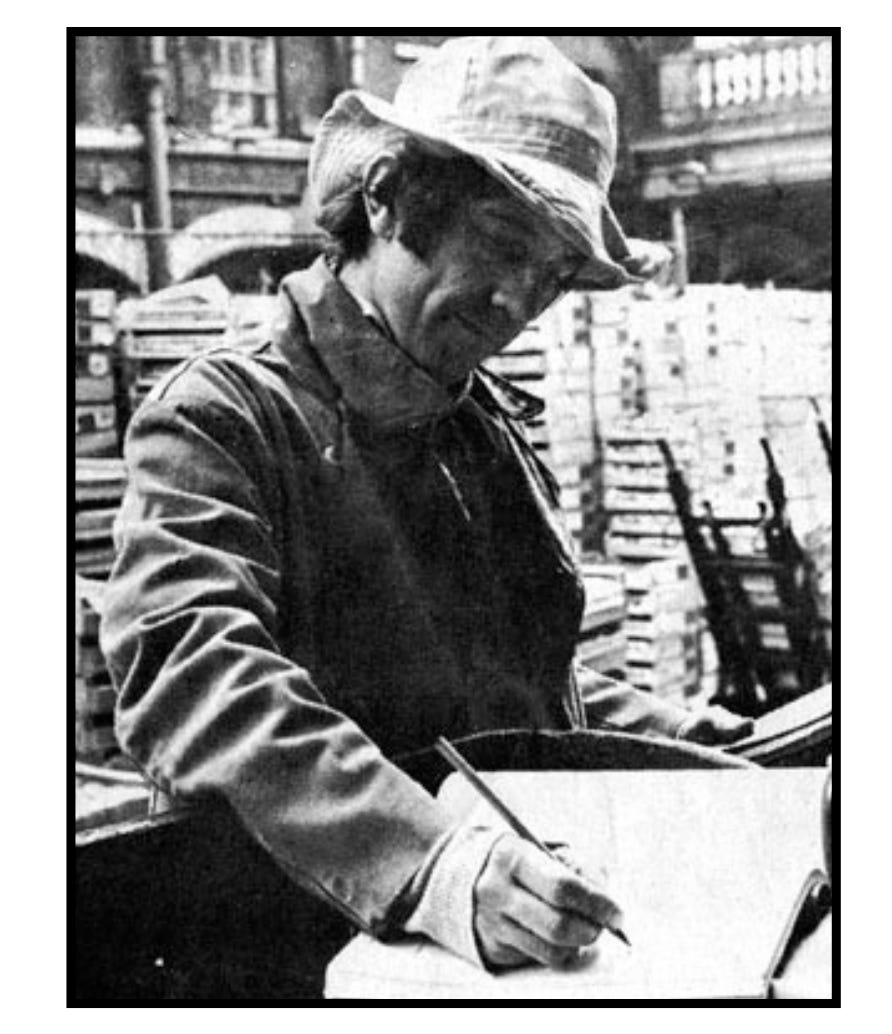
Whether Cammell had written Avec Avec by this time is uncertain, but they roughly date from the same period. Avec Avec, which became the heist caper Duffy, was written with “Coco” Brown, the son of Hollywood producer Harry Joe Brown. Donald’s involvement in The Touchables came about because Donald’s brother, David Cammell, knew Robert Freeman, who from early on was The Beatles’ still photographer. Freeman had served as the title designer on both A Hard Day’s Night (1964) and Help!, and was very keen to get into film.
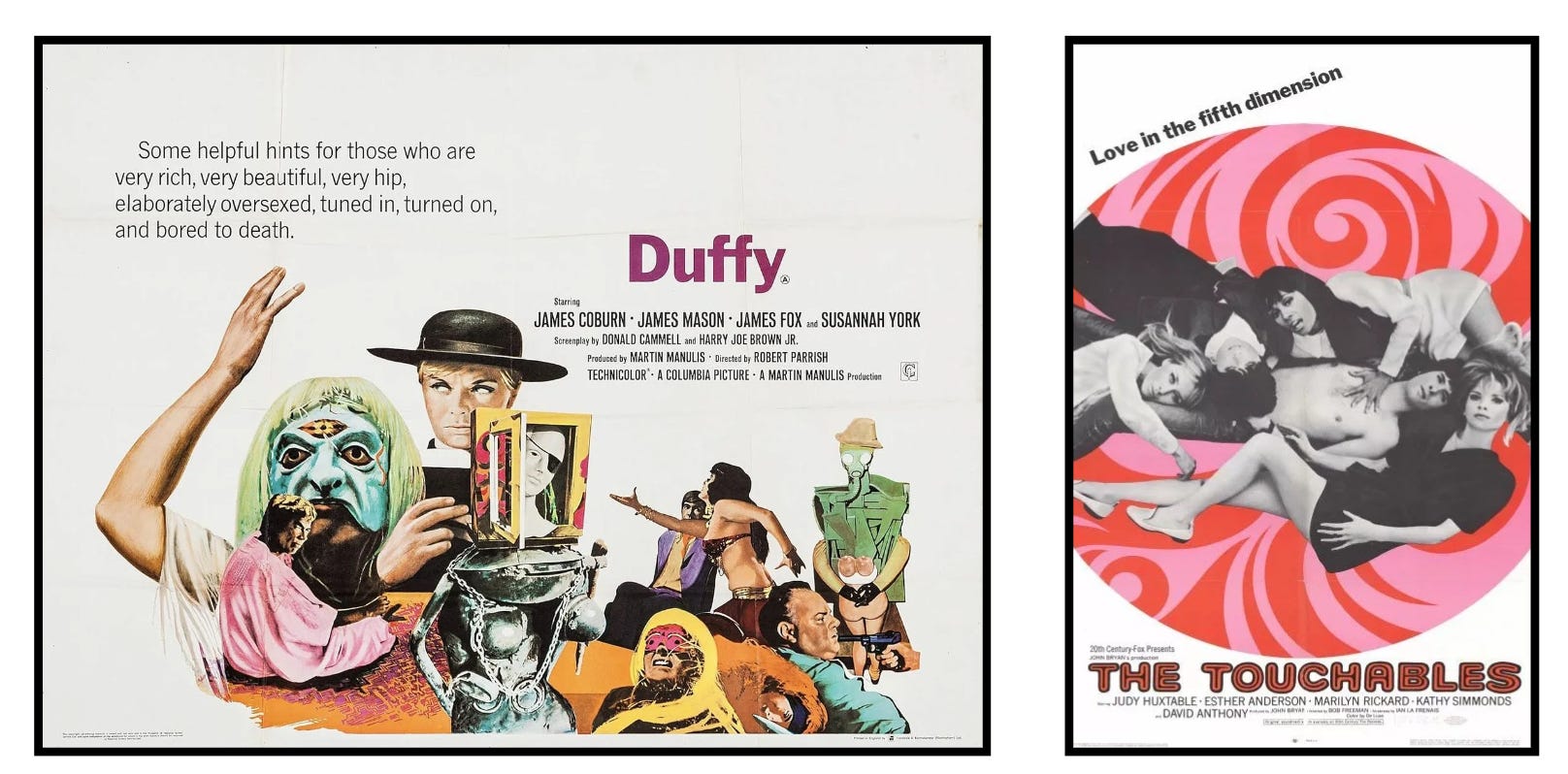
By the time these two movies appeared in theaters, though, they had undergone many changes, scarcely recognizable from the scripts Cammell had written.
By then, Cammell had already begun writing Performance and that film was in the pre-production stage. Incidentally, it was during the making of Duffy that Cammell met and became friends with James Fox, who would later star in Performance.
JF: In your book, you discuss the fact that Donald Cammell was frequently depressed and often had suicidal thoughts. What do you think were the causes for this? How did these emotional issues affect his work on Performance?
SU: We discuss our theory for the reasons behind Cammell’s suicidal ideation—thinking about suicide—at length in our book. The short answer is that we believe he suffered from Borderline Personality Disorder (BPD) and many of those who knew him have found our theory convincing. We devote an entire Appendix in our book to this issue, so it is rather difficult to summarize our theory in a few sentences.
Suffice it to say that these depressions were to determine, to a great extent, and sometimes undermine, his artistic career. They may have been responsible for his decision to abandon his career as a painter, viewing his career in art as “worthless,” as I mentioned a moment ago.
JF: After Performance was released, Donald Cammell developed many projects which were never made or completed, including The Argument. Why do you think this happened? Why did Cammell’s frequent collaborator and editor, Frank Mazzola lose his house because of The Argument?
SU: According to Frank Mazzola, The Argument went into production in part to test an optical effects process. The existing 14-page script of the film is laden with no less than 22 optical effects, referred to as “video effects.” Mazzola, who had worked with cinematographer Vilmos Zsigmond on The Hired Hand (1971), hired Vilmos and the other members of the crew. He was paying for most of the production costs along with his brother Anthony.
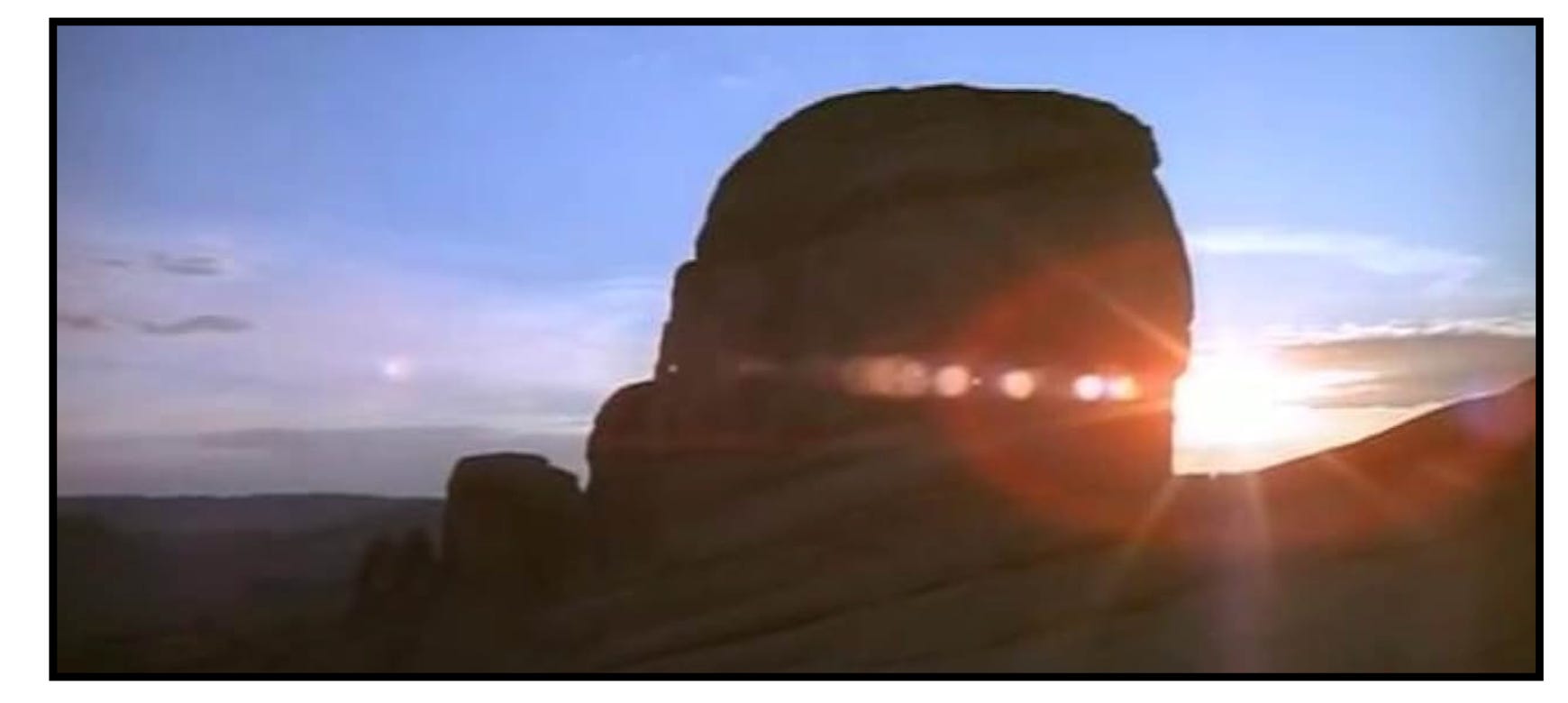
There was another partner involved, as I recall Michael Butler, who never provided the expected financial support. By the time the production wrapped, and he paid the crew and the considerable lab fees, he was out of money.
Frank was forced to sell his home and property in Laurel Canyon in order to cover his debts. He had horses, stables, and several acres of land. He sold it all.
Even though The Argument was abandoned in July 1972, remarkably, Mazzola found the boxes of negatives for The Argument in his mother’s garage in 1996, 25 years later.
It is rather ironic that while The Argument was made in order to test some video optical effects, it was the film Donald Cammell made four years later, Demon Seed, that actually employed some video optical effects, making it one of the first Hollywood films to use them.
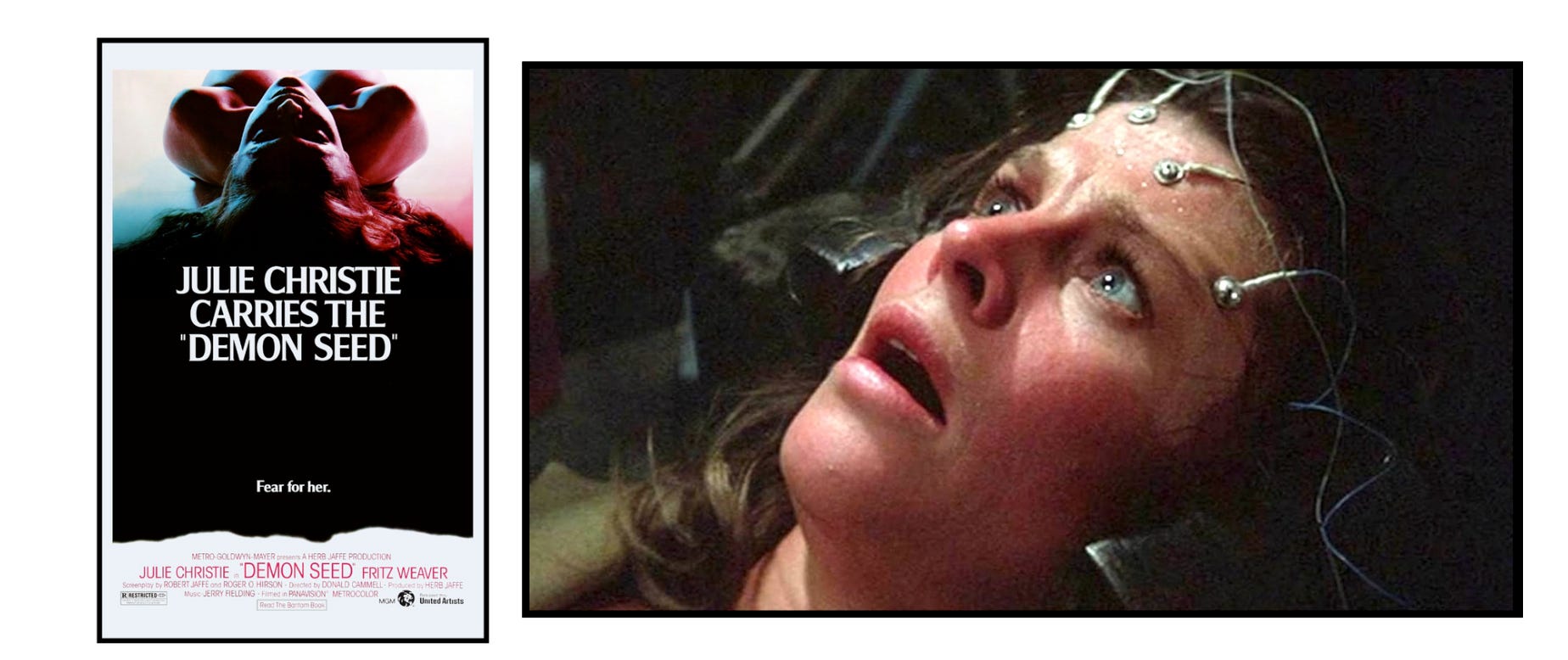
JF: Why do you think MGM offered Donald Cammell the chance to direct Demon Seed?
SU: Cammell was a bit surprised that MGM offered him Demon Seed. It may have come about because the writer on the project, Robert Jaffe, knew his work. In addition, two other directors had already turned it down. He had also changed representation as well, leaving CMA and moving to the William Morris Agency. That may have had something to do with the opportunity to direct the film.
JF: Originally, Marlon Brando was set to co-star with Julie Christie in Demon Seed. Why didn’t that happen?
SU: Marlon Brando, of course. I think it is important to understand that Brando strongly disapproved of Cammell’s relationship with Patty Kong, who Donald christened “China.” There is no reason why Brando could not have appeared in Demon Seed, and his schedule certainly would have allowed him to appear in the film. There were other opportunities for Cammell and Brando to work together, but they never happened, either.
JF: In your opinion, why was Demon Seed such a troubled production?
Demon Seed was a Hollywood production involving a major studio, MGM, an environment in which Cammell had never worked. Remember that Performance hadn’t been filmed at a huge soundstage such as Pinewood Studios.
The producer of Demon Seed, Herb Jaffe, was a conservative guy, and he strongly disapproved of Cammell’s relationship with Patty Kong, who was still a teenager when she and Donald began their relationship. I can’t tell you her exact age when they began their relationship, but she was still in high school.
Donald would bring her to the set with him, and in the words of one anonymous crew member, “she craved attention like a spoiled nasty child.” Apparently, she was disruptive on the set, and many crew members perceived the relationship as odd and even unsettling given that Cammell was in his 40s, and she was a high school teenager. She was very thin and petite, which only seemed to emphasize their age difference.
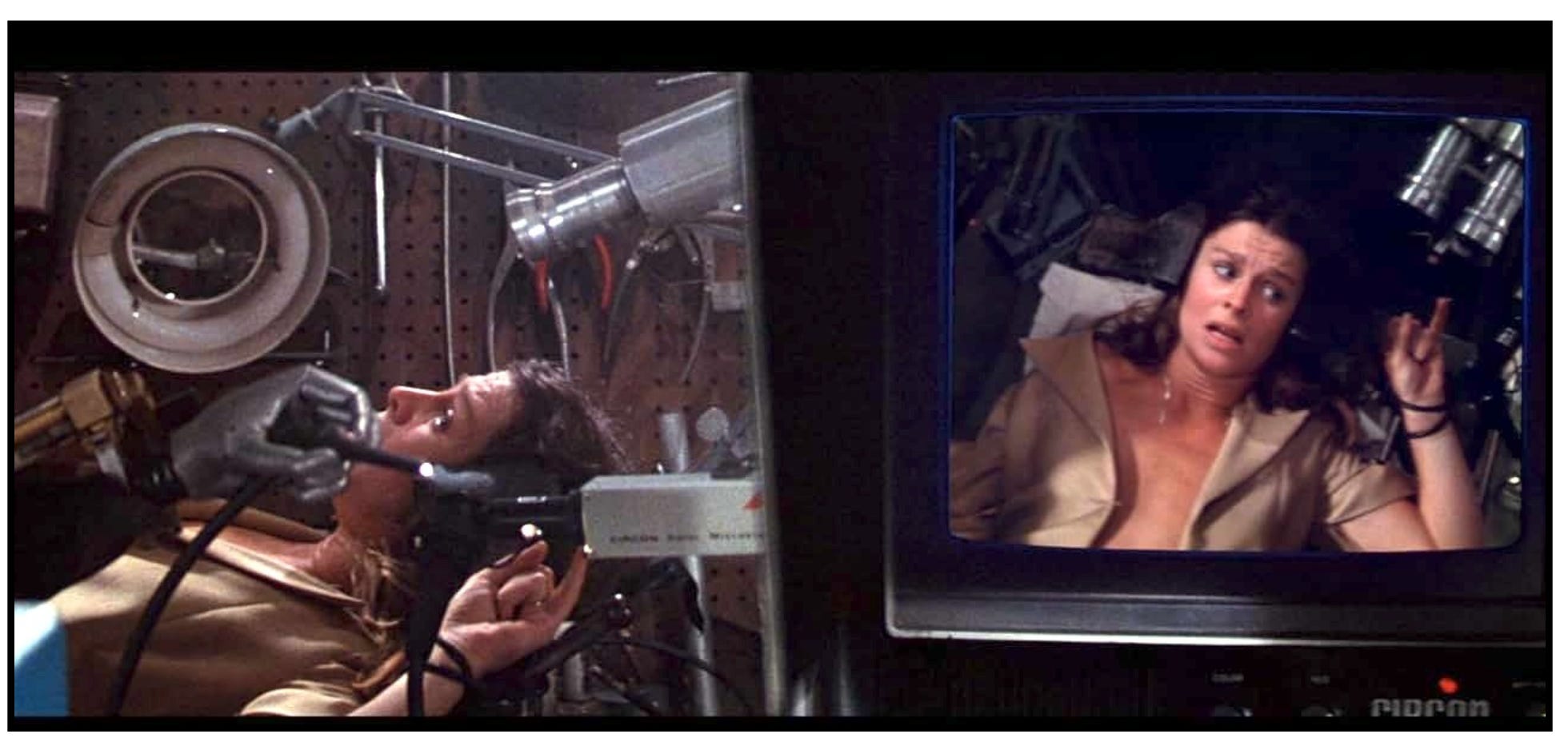
JF: After it was released, how did Demon Seed do at the box office? Do you think the film helped or hurt Donald Cammell’s film directing career?
SU: Demon Seed did not do extremely well at the box office, domestically between $2 and $3 million as I recall. I believe it may have done slightly better in Europe. The movie received its share of negative reviews but also earned some complimentary reviews as well. The movie didn’t hurt his career to my knowledge, but of course everyone wanted the film to do better financially, especially given its impressive cast, Fritz Weaver and Julie Christie.
Unfortunately, Demon Seed had the misfortune of opening in April 1977, six weeks before the tsunami called Star Wars. However, while not a huge success at the time of its release, Demon Seed has been consistently available on home video for decades and is currently available on Blu-ray. No surprise, as it is a great science fiction film.
JF: Why did Donald Cammell have so many problems getting projects financed after Demon’s Seed?
SU: A combination of factors. His temperament, an unwillingness to compromise, bad luck, and the kinds of films he wanted to make and those with whom he wanted to make the films. Several projects very nearly came to fruition during this time, however. It’s not that he wasn’t trying very hard to get films made and often came very close.
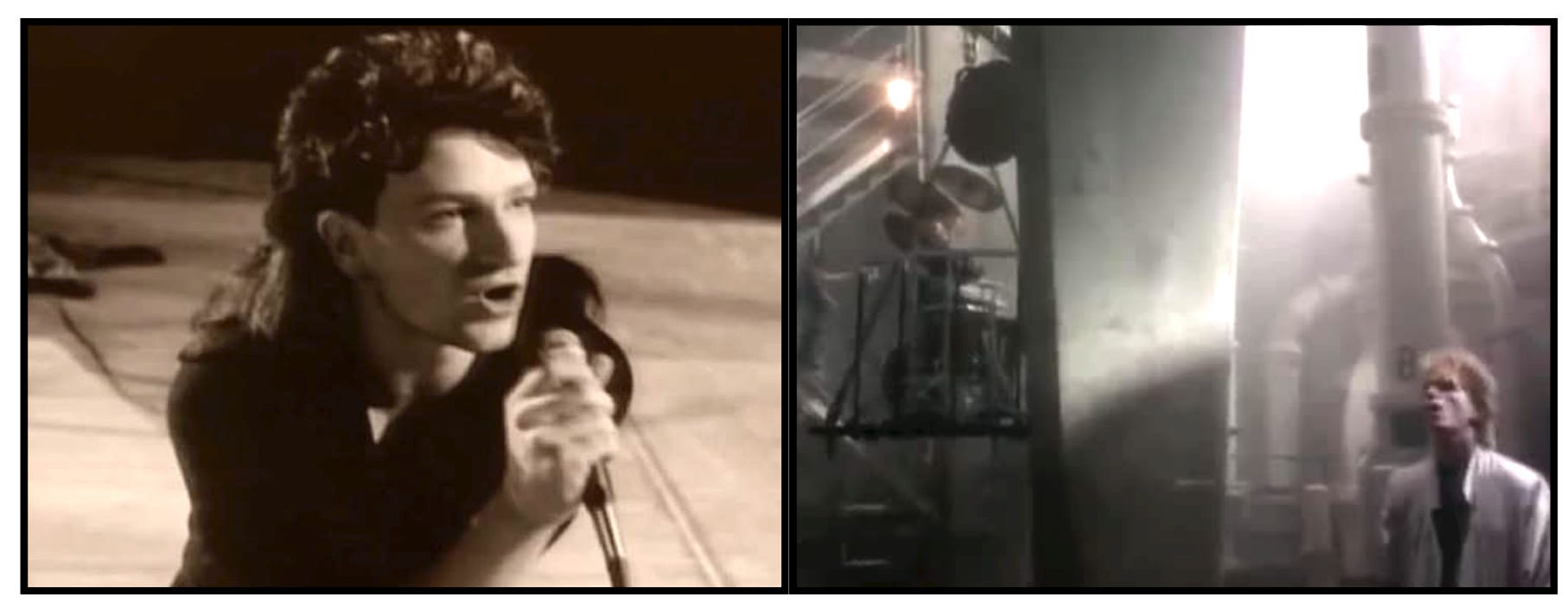
JF: In the mid-1980s, Donald Cammell directed two music videos. One was U2’s breakout hit, “Pride (In the Name of Love),” and the other The Hooters’ “All You Zombies.” How did those directing jobs come about? Do you think Donald Cammell was pleased with the results? If so, why didn’t he direct more music videos after that?
SU: In the early 80s, Chris Blackwell, the founder of Island Records, had begun producing and directing motion pictures. As fate would have it, Cammell was developing a movie for Blackwell’s Island Pictures, to be set in Jamaica and titled The Last Video. U2 recorded for Island Records and had completed the recording for The Unforgettable Fire which, as you say, became the band’s breakthrough album.
Cammell had directorial experience and was under the employ of Chris Blackwell, so he was a logical choice to direct the U2 video. The chance to direct The Hooters’ “All You Zombies” came about on the strength of the U2 video. Jack Rovner, The Hooters’ long-term representative at Columbia Records, knew Performance, and was also aware of Cammell’s connection to the Rolling Stones.
“All You Zombies” was filmed in London, so he had his brother David’s assistance on the production as well. Don’t forget that David Cammell was a very enterprising producer.
I think Cammell was pleased with the videos, especially so with “All You Zombies,” which garnered considerable airplay and became a fan favorite on MTV. Of course, he wanted to direct movies, not music videos.
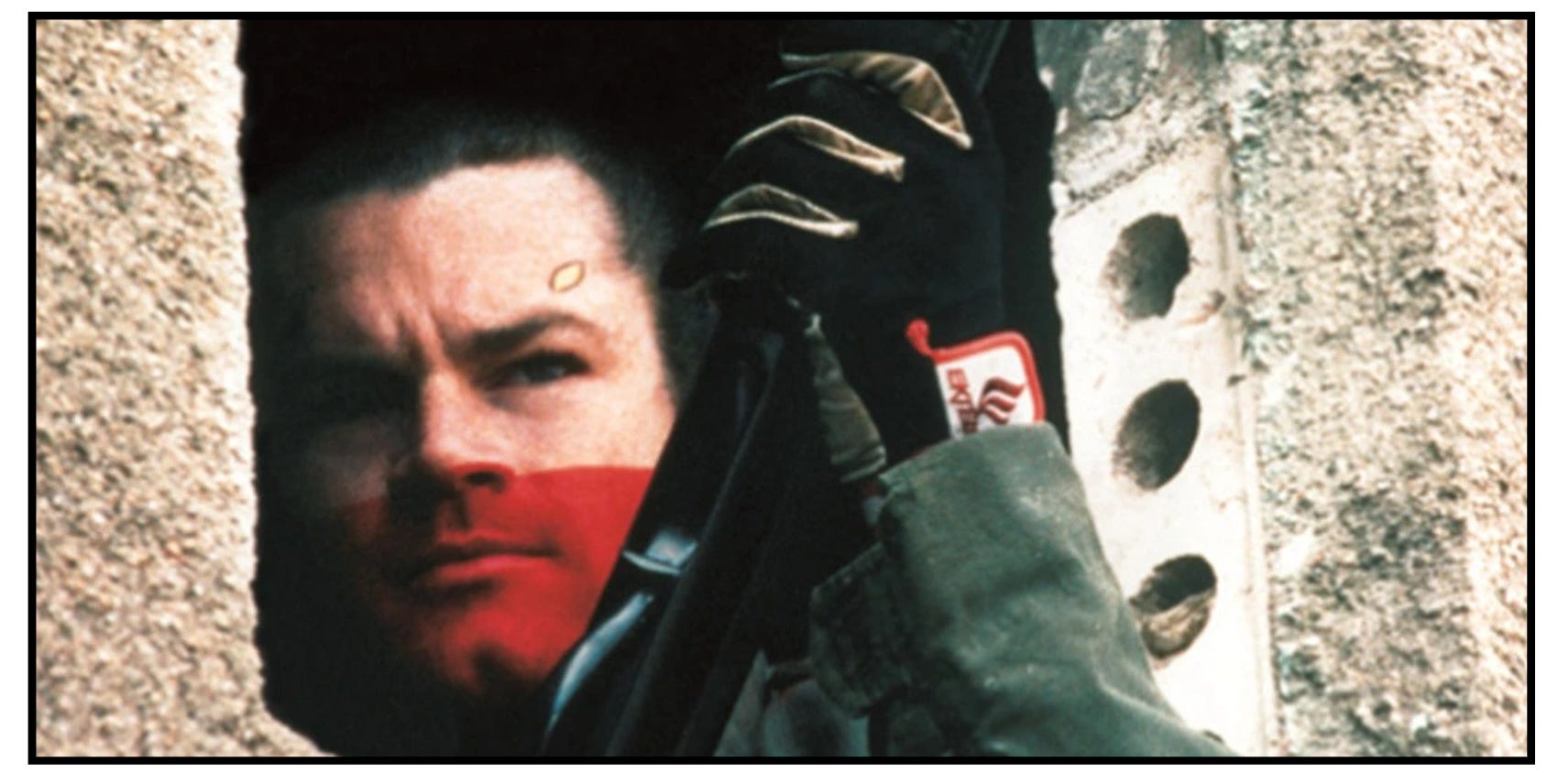
JF: How did Donald Cammell get involved with White of the Eye? Were there any problems making the film?
SU: By chance, Donald Cammell had met Cassian Elwes in London soon after the completion of the U2 video, and Elwes was very interested in making a film with him.
Serendipitously, Cammell had known Cassian Elwes' father who was also an artist, Dominick Elwes, who also would become a noted portrait painter before his suicide in 1975. Cassian’s mother, Tessa Kennedy, had divorced Dominick Elwes in 1969, and in 1971 married Hollywood producer Elliot Kastner. Hence, Elliot Kastner became Cassian's stepfather.
Kastner had recently optioned what Cammell would later refer to as “strange little book,” titled Mrs. White, published in 1983. After many years of struggling to get pictures made, White of the Eye came together rather quickly, and began filming early in 1986. However, once the film was completed, Kastner sold it to Cannon, who sat on it for several months before releasing it in 1987.
JF: What is your opinion of White of the Eye? How did it do at the box-office? Do you think more people have discovered the film now that it has become available on DVD and Blu-ray?
SU: White of the Eye is an excellent, if at times violent, thriller, about a woman who discovers she is married to a psychopath.
The film did poorly at the box office primarily because Cannon gave it only a perfunctory release in 1987 before rushing it to home video.
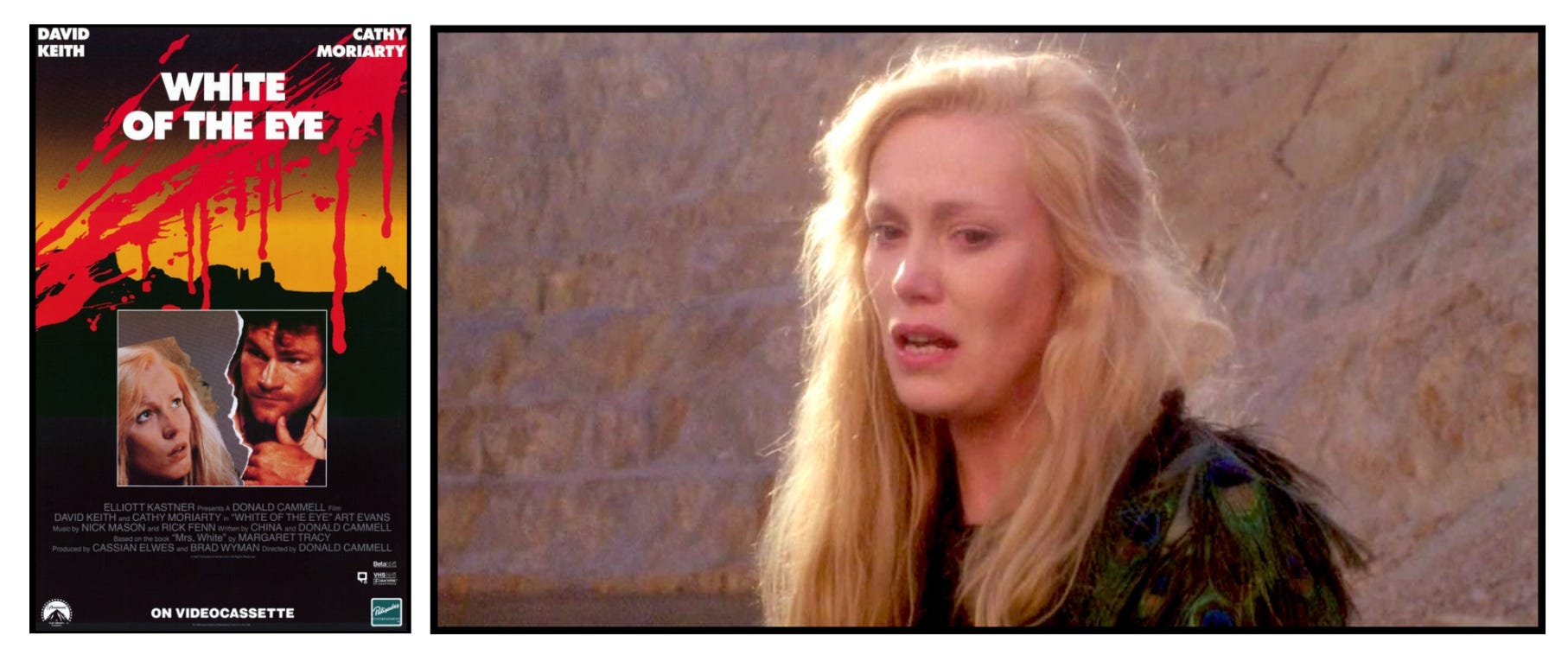
For instance, it only played a few major cities in North America, and that was the extent of it. Happily, White of the Eye is now widely available on DVD and Blu-ray, which has led to its rediscovery. It is an excellent film and deserves to be seen by a wider audience.
JF: After White of the Eye, Donald Cammell eventually made his final film, Wild Side, which stars Christopher Walken, Joan Chen, and the late Anne Heche. It sounds like the filming went well but problems began during post-production. What happened?
SU: Given its rather meager budget, Wild Side was filmed very quickly and efficiently. Cammell had written a sort of bawdy dark comedy, but the producers had in mind something else, a sort of cheap exploitation picture.
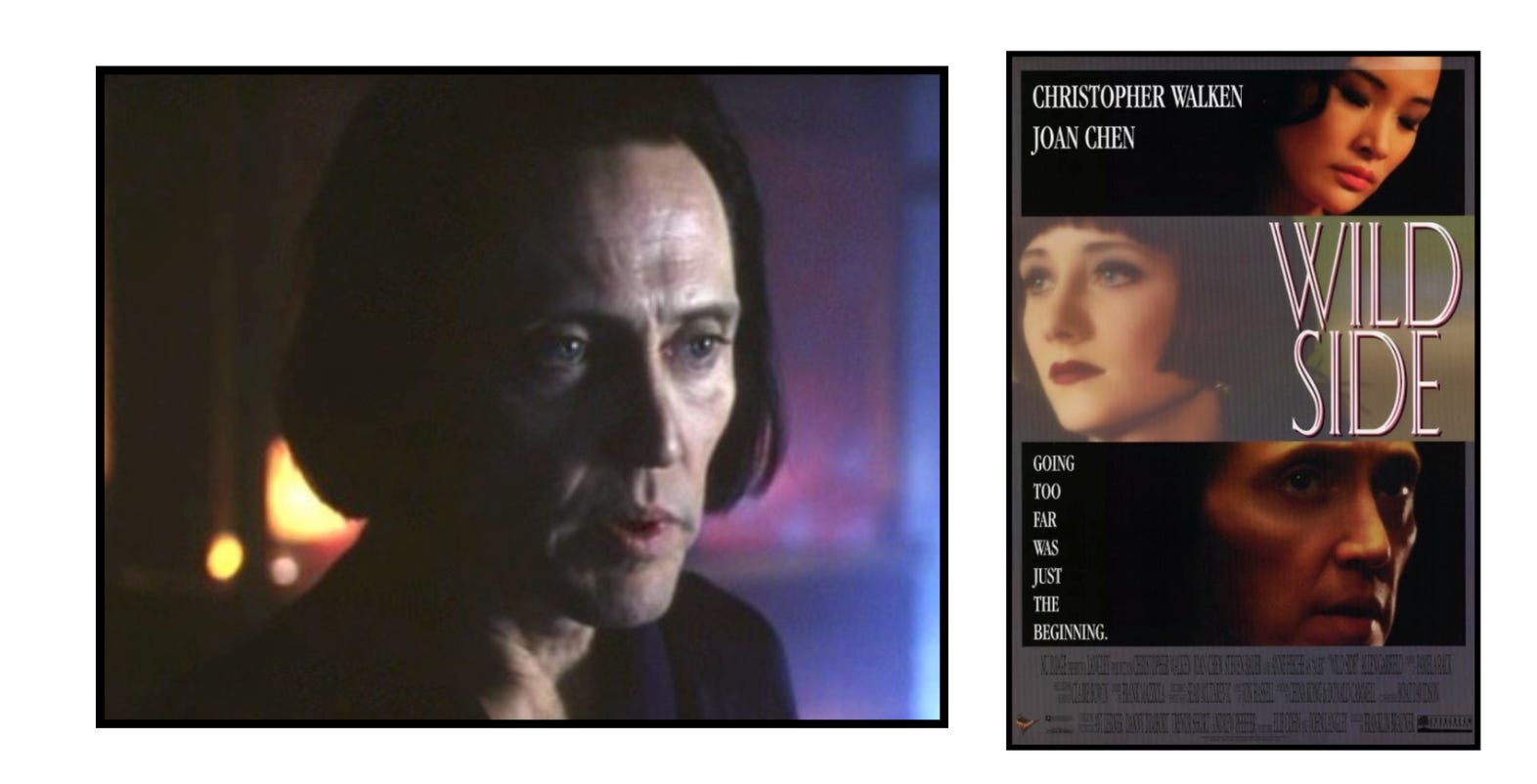
Soon after Cammell presented his cut, the film was taken away from him by the producers and re-cut and released straight to video. Because the movie was re-cut against his wishes, he demanded his name removed from the credits. This is the reason why the director’s credit on Wild Side is credited to “Franklin Brauner.” I should mention that he was very truly embarrassed by what the producers had done to the film. Frank Mazzola, who was the film’s editor, called it a “massacre.”
JF: What is your opinion of Wild Side as a film? How does it compare to White of the Eye and Performance?
SU: If you are referring to the cut version widely available on DVD, I think it’s a rather unfocused movie, although Christopher Walken is really quite good in it.
Remember that the director’s cut of Wild Side—titled Donald Cammell’s Wild Side—was released by Tartan Video in the UK on a PAL Region 2 DVD in 2000—25 years ago. That’s the only version available of the film as Cammell intended, and it has now gone out of print.
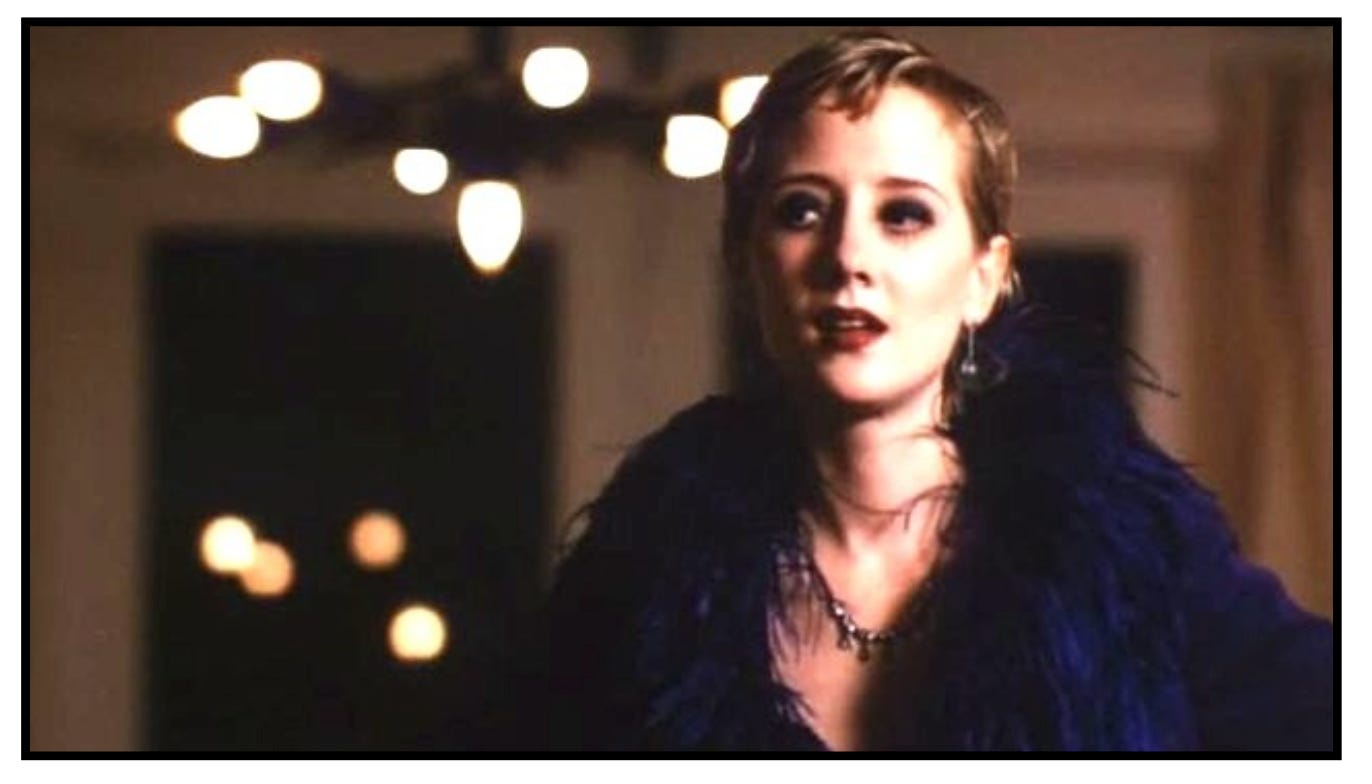
The director’s cut is by far the better film, the “edgy” black comedy Cammell wanted it to be.
I like Wild Side because it represents Cammell’s only attempt to direct a comedy, although an unusual one. Unless an interested viewer can manage to track down the Tartan Video DVD which contains the director’s cut, then he must settle for the cut version, which is edited differently and is missing 18 minutes of material.
JF: What happened to Donald Cammell after the Wild Side debacle and after his wife, China, left him? Why do you think he eventually committed suicide?
SU: I would strongly recommend against simple cause-effect scenarios as explanations for why individuals commit suicide. Individuals with every bright promise in the world commit suicide, so a reductive, simple cause-effect scenario is woefully inadequate. Suicide does not represent the culmination of a difficult life.
Donald Cammell had engaged in suicidal ideation for much of his life, long before he’d ever met Patricia Kong. It is true that after China had left him near the end of August 1995, he called his brother David in London and asked him to fly to Los Angeles to stay with him. Fearing the worst, David immediately put his affairs on hold and flew to his brother. He stayed with Donald for the next six weeks.
We interviewed several individuals who had seen Donald with women after his separation from China, and his friend Vartkes Cholakian ran into Donald at the Museum of Contemporary Art in downtown Los Angeles just a few days before Donald committed suicide. According to Vartkes, Donald had a beautiful girl in each arm. He and Donald spoke for a few minutes, and, in Vartkes’s words, “he was the same old Donald.” Perhaps that is so.
But if you happen to believe in what might be called “rational suicide,” then in my view on the day he committed suicide Donald Cammell felt the amount of joy remaining in his life could not offset the almost certain scenario of sorrow and pain. Most certainly there is a certain degree of impulsiveness in the suicidal act, but you get my point. He had had many disappointments in his life but had never committed suicide as a consequence.
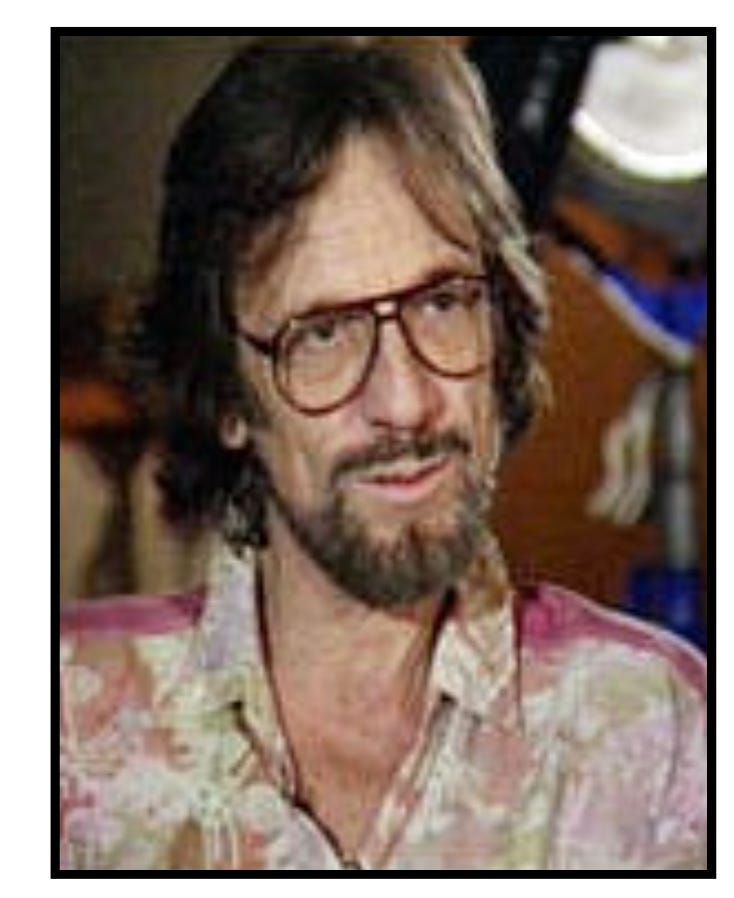
JF: Could you address the rumor that Donald Cammell lived for 45 minutes after he shot himself in the head?
SU: The notion that Donald Cammell lived for 45 minutes after he shot himself in the head is a fallacious myth introduced in Kevin Macdonald and Chris Rodley’s 1998 documentary, Donald Cammell: The Ultimate Performance, which premiered two years after his death.
I should point out that the filmmakers did not make the claim that he lingered for 45 minutes, but certain individuals they interviewed for the documentary made it.
I think it needs to be clearly understood that on the day Donald Cammell chose to commit suicide, he wanted to die. There should be no misunderstanding about that, no idea that he “hesitated” or wanted to “hang around.” That’s why he used a gun, and why he chose the “execution-style” method of self-murder. When he shot himself in the head, he died instantly, which is what he wanted.
The coroner’s report indicates the bullet penetrated his brain but found no exit wound, the bullet having lodged in the back of his throat. The coroner probably could see the bullet simply by opening his mouth and looking in. The report says the entrance wound was a contact wound, meaning the gun barrel was pressed directly against the skin, in this instance, his forehead. He used a .38 Special +P semi-jacketed cartridge in the gun, which when fired has a muzzle velocity of one thousand feet per second. Unlike a full metal jacket, used primarily by the military, a semi-jacketed round is designed to flatten out, typically in a sort of mushroom shape. In other words, it is designed to maximize the damage done to the target. The gun blast peeled back the skin in a stellate shaped (star) pattern 4” in diameter, leaving powder burns on his skull. When the police arrived, they reported there was a visible amount of brain effusion oozing from the hole in his skull. Blood was leaking from the corner of his mouth.
The notion that he “lingered” after such a catastrophic injury is complete nonsense.
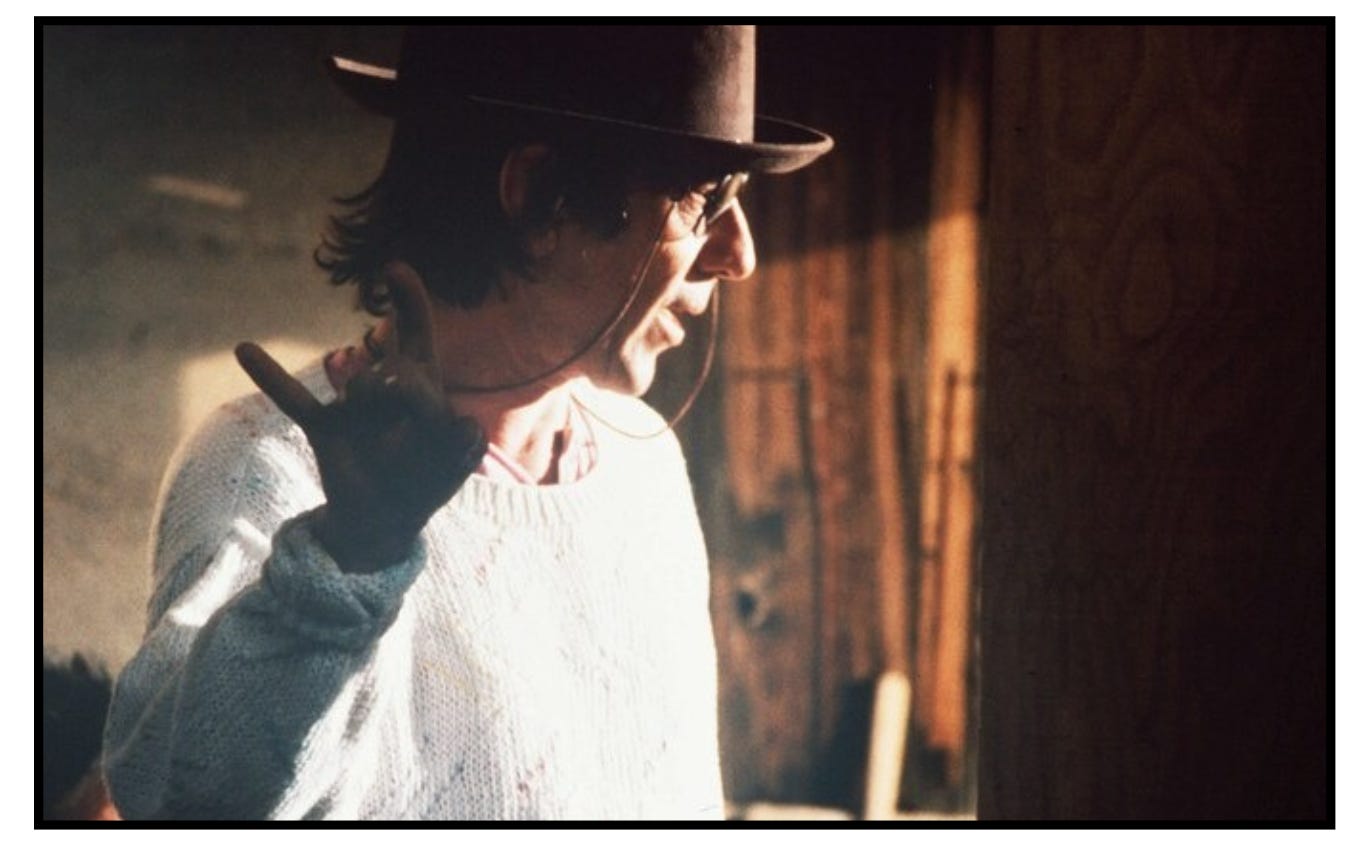
JF: Reflecting back now on Donald Cammell’s life and career, why do you think he self-sabotaged so many of his projects and opportunities? Could any of these instances of self-sabotage have been prevented?
SU: In my view none could have been prevented. You might say Donald Cammell was his own worst enemy. As I mentioned earlier, Rebecca and I discuss the complex reasons for his behavior in our book.
I should say that many of his close friends and associates said that in his final years he had changed so much they found it difficult to recognize the old Donald they loved, even if the old Donald reappeared briefly occasionally.
He had become a psychologically unsettled egocentric, arrogant and perpetually unsatisfied. His wonderful sense of humor had become sour and sarcastic, and to his close friends who knew him well he seemed to have developed the profile of the traitor who relishes the moment of betrayal. Toward the end of his life, he must have felt very lonely indeed.
JF: Finally, why is Donald Cammell important today? Why should audiences watch his movies?
SU: In an era in which movies are promoted and reviewed as if they are nothing more than another of Aesop’s fables, that is, didactic tales or lessons in the proper way to think, Donald Cammell’s films stubbornly resist this reductive approach.
I think of the poet John Keats, who once said, “we hate poetry that has a palpable design upon us.” I think Donald Cammell would have said the same thing, except about movies. Keats also famously used the phrase “negative capability” to assert the need for an artist to accept “uncertainties, mysteries, doubts, without any irritable reaching after fact and reason.”
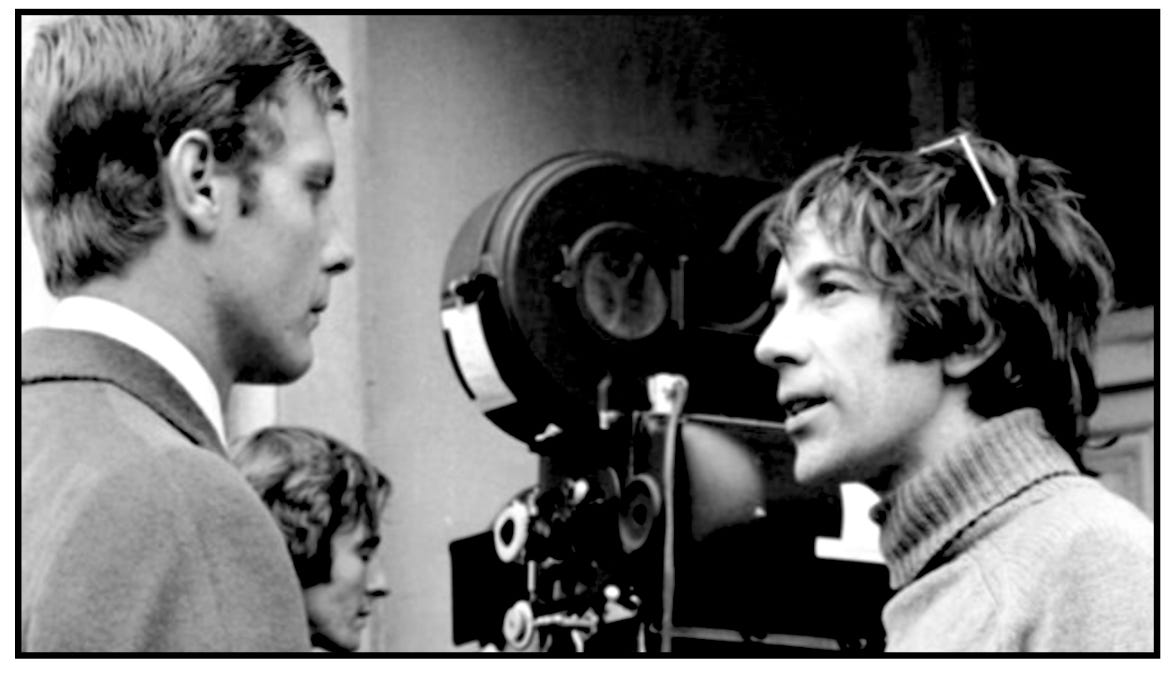
Most certainly Performance is an illustration of what Keats meant, but so, too, are Donald Cammell’s other films. You go along for the excitement of the ride, not for the dry moral lesson at the movie’s end.
A good analogy is to the films of David Lynch. Having seen a film by David Lynch, do you immediately reduce it to a homily or moral lesson? The form is inseparable from the narrative. The same is true of the films made by Donald Cammell.
Franklin Brauner is also the alter-ego of Roger Avary, who played Franklin Brauner in the 2005 film Standing Still. He also uses Brauner as a fictitious Canadian movie critic on his podcast with Quentin Tarantino.