
He Sold His Soul For Rock and Roll
An in-depth look at Brian DePalma's cult film, "Phantom of the Paradise"

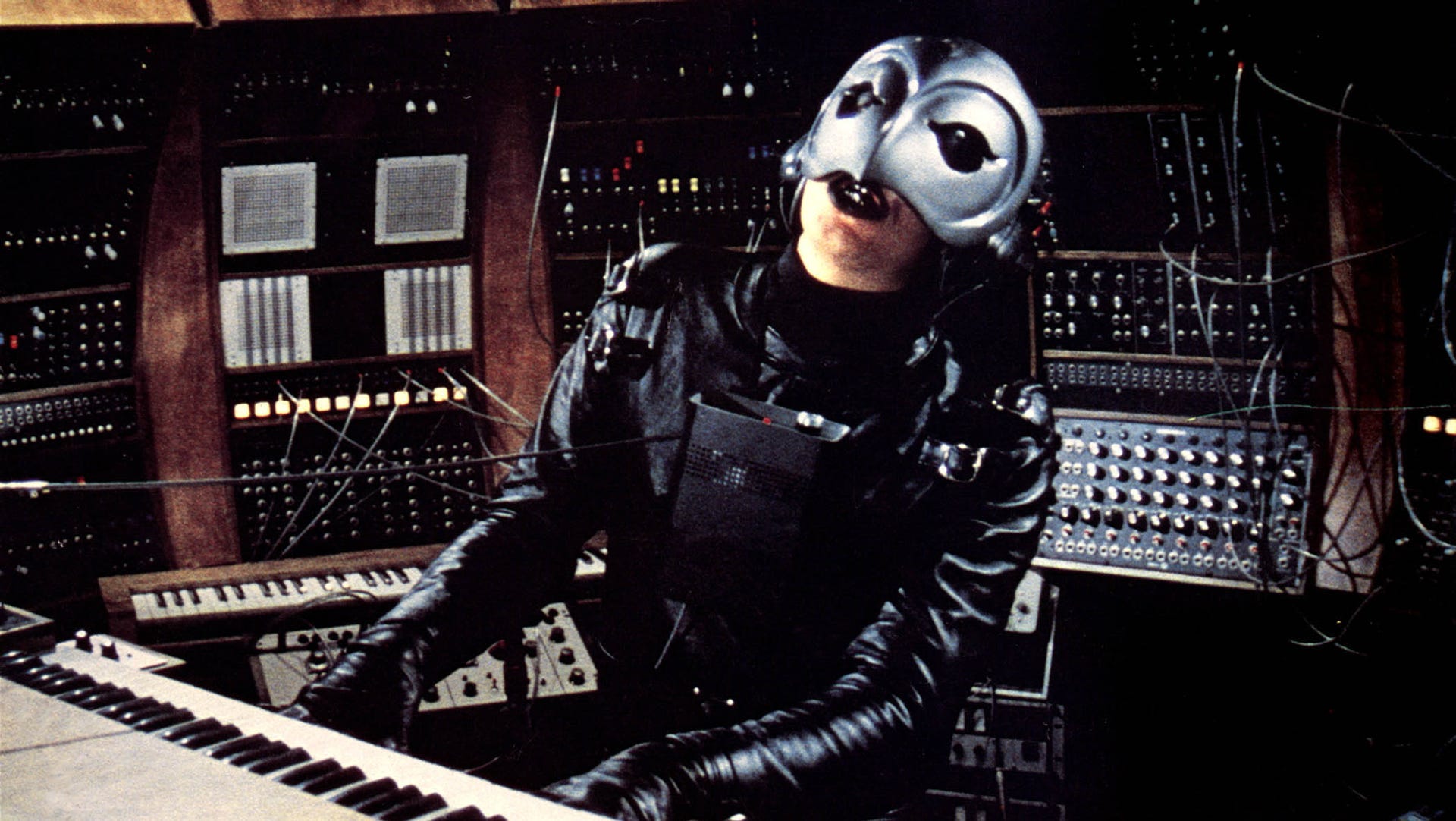
This year, a cult movie from the 1970s - a horror musical, no less- is celebrating its 50th anniversary.
Yet, except for a few screenings in big cities, not much is being made of this fact.
The film hasn’t been restored and given a major theatrical re-release by its studio, Twentieth Century Fox; there is no upgraded 4k blu-ray; and the excellent original soundtrack hasn’t been expanded and given a proper vinyl and cd reissue.
If you think I’m talking about The Rocky Horror Picture Show, that’s understandable but incorrect. Although Rocky Horror was also distributed by Twentieth Century Fox, it didn’t get released until 1975, so it’s 50th anniversary isn’t until next year.
No, the film I’m referring to is Brian De Palma’s cult classic, Phantom of The Paradise.
Released in 1974, Phantom of the Paradise is a hard film to categorize. Its combination of Phantom of the Opera, Faust, and The Picture of Dorian Gray make it a horror movie; but it’s also a comedy; and it’s a musical. If that’s not enough, the film is also a clever satire on the music industry too.
(Warning: Spoilers Ahead)
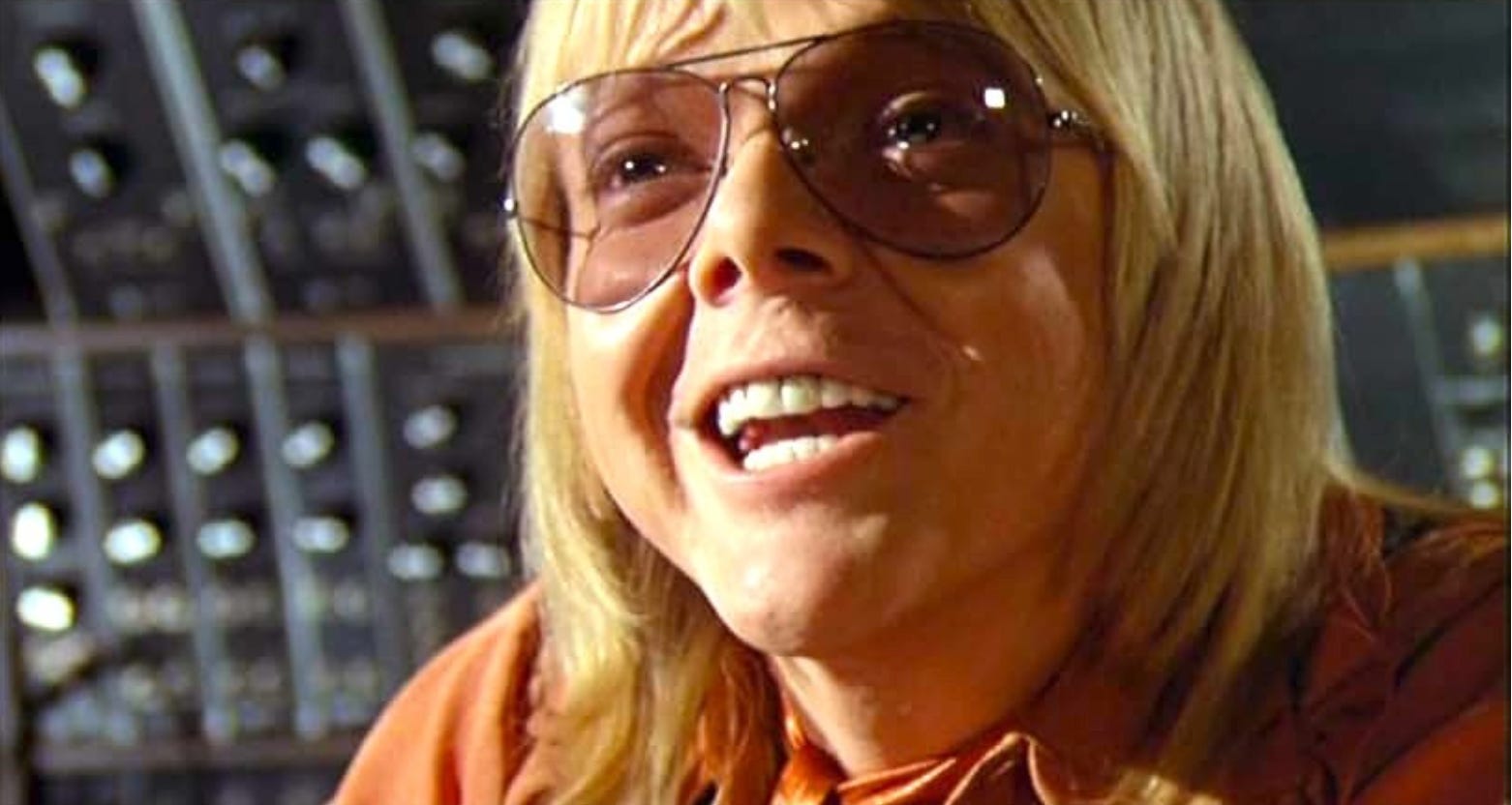
The film begins with music mogul, Swan, the most successful man in rock music, searching for new music to open his rock palace, The Paradise.
When Swan hears singer-songwriter Winslow Leach perform his original songs that are part of a rock cantata based on the legend of Faust, Swan realizes Leach’s music is just the sound Swan needs to make his new rock palace a success. Swan immediately has his enforcer, Philbin, sign Leach to a contract.
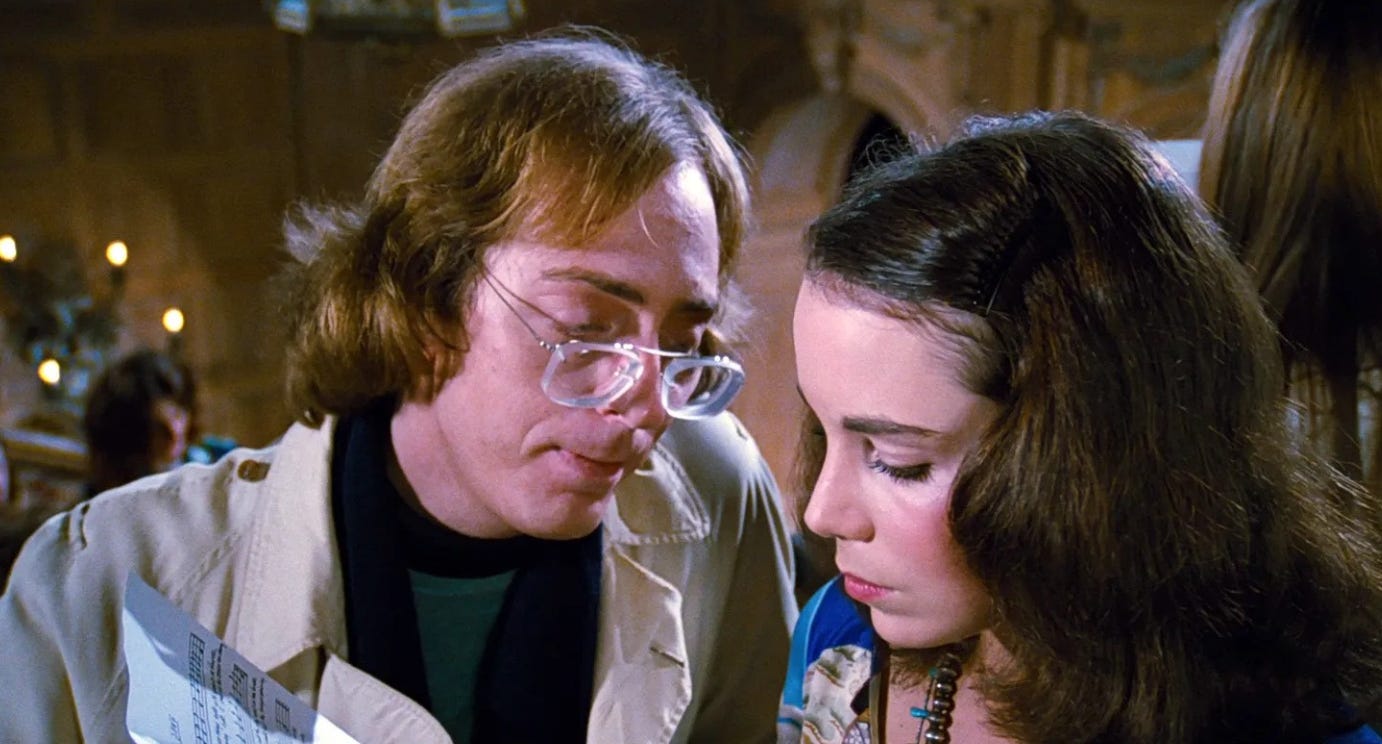
Months go by and Winslow hasn’t heard back from Swan. After his attempts to meet with the music mogul fail, Winslow goes to the auditions for his cantata where he meets a young singer, Phoenix, and is instantly smitten with her.
However, after Swan has Winslow arrested and framed for selling drugs, Winslow is sentenced to Sing-Sing. While working in the prison’s factory, Winslow hears a radio advertisement for the opening of The Paradise and escapes from the prison.
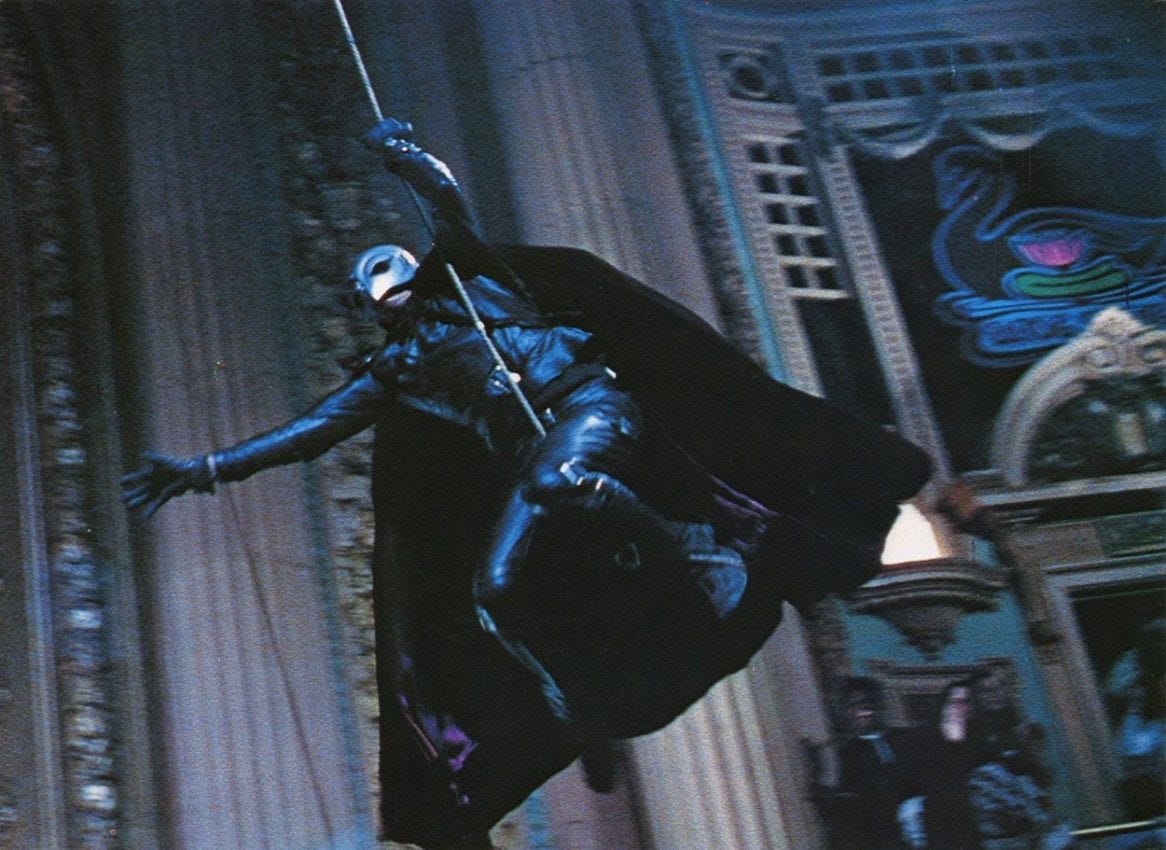
Determined to stop Swan, Winslow breaks into Swan’s factory but ends up getting his head caught in a record-pressing machine, which leaves his face deformed. Making his way to The Paradise, Winslow sneaks into the rock palace, dons a cape and a bird-like mask, and becomes The Phantom.
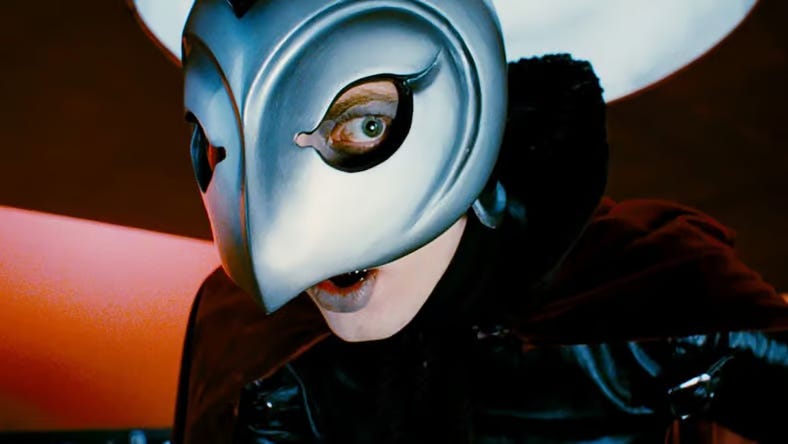
Meanwhile, rehearsals are underway for the premiere of Winslow’s opus, Faust.
After placing a bomb inside a prop car that kills some of the cast, Swan confronts Winslow/The Phantom and the two strike a bargain: if Swan lets Phoenix sing Winslow’s music, then Winslow/The Phantom will stop terrorizing the cast and crew of the theater.
Of course, those terms are almost instantly broken. Phoenix is relegated to being just a back up singer as Swan gives the lead role to his newest discovery, Beef, a sort of glam-rock guitarist in platform shoes.
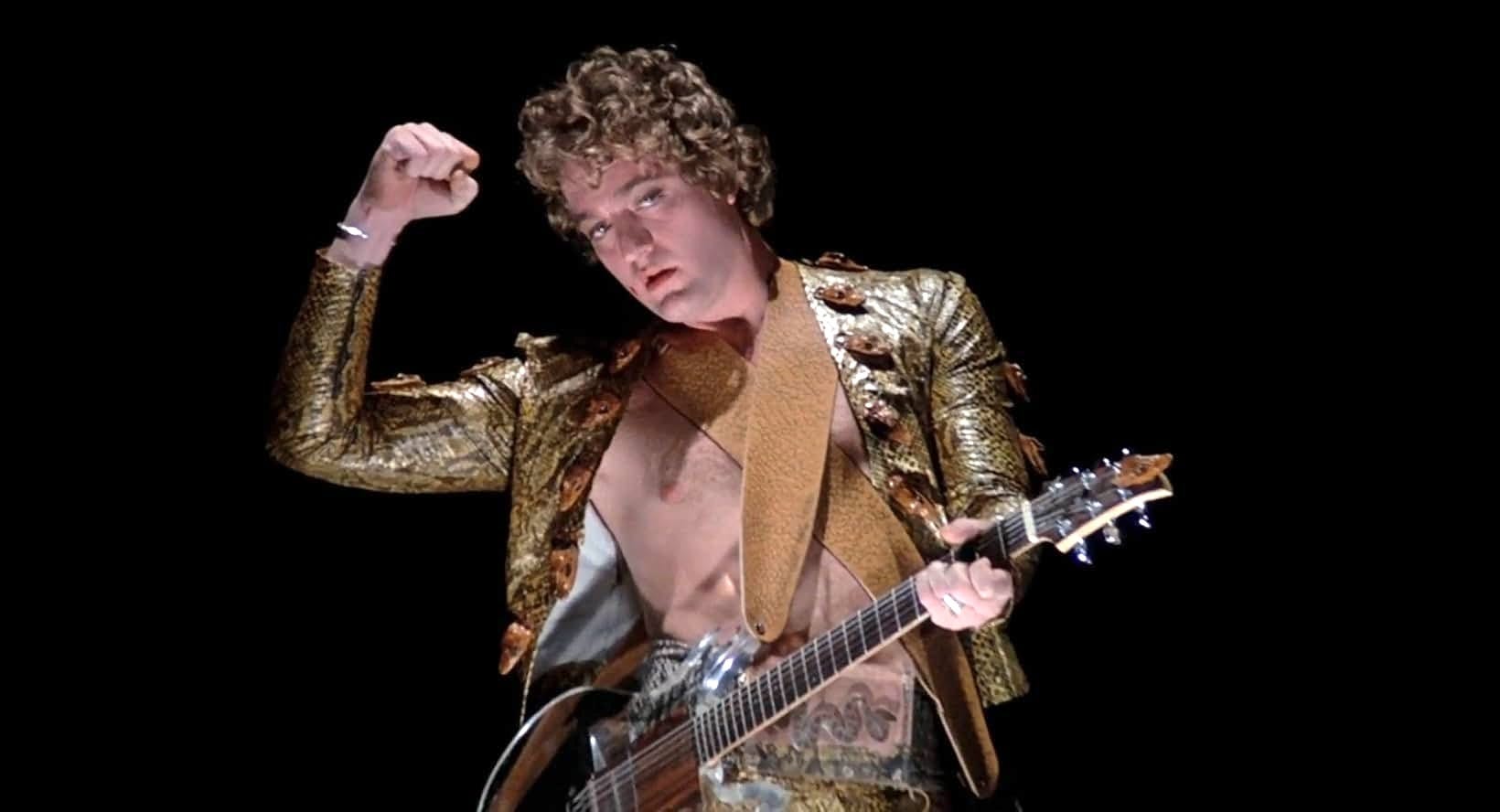
However, during the grand opening of The Paradise, Winslow/The Phantom ruins the world premiere of his cantata by having Beef electrocuted on stage.
However, the sold out audience loves every minute of it. With Beef gone, Swan has Phoenix come onstage to sing the end of the show. She becomes an instant star and Winslow/The Phantom feels redeemed.
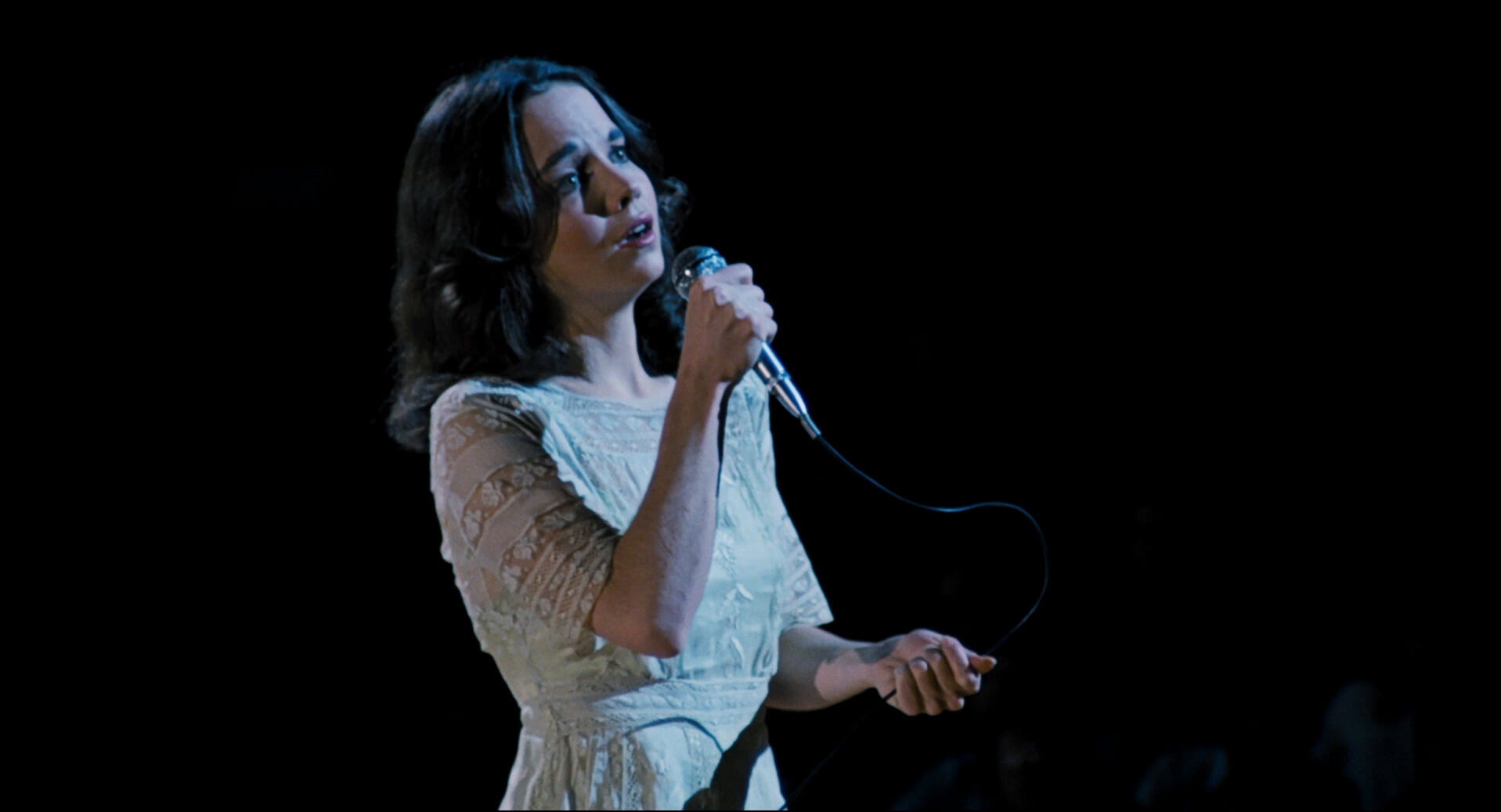
However, Winslow/The Phantom’s triumph is short-lived later that night when he spies on Swan and Phoenix making love in Swan’s mansion. Winslow/The Phantom, despondent, tries to kill himself, only to learn that he isn’t allowed to die. You see, the contract Winslow signed with Swan wasn’t just for Winslow’s music but for his soul as well. Winslow/The Phantom can only die when Swan dies.
Soon, Winslow/The Phantom discovers Swan is under contract too.
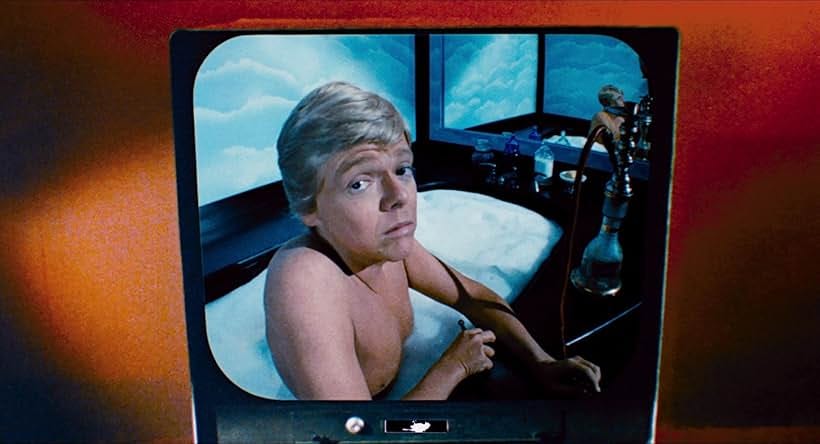
For the second night of the grand-opening of The Paradise, Swan decides to marry Phoenix live on stage. But what he’s really planning on doing is having her assassinated instead (“An assassination live on television? Now, that’s entertainment!” Swan gleefully exclaims).
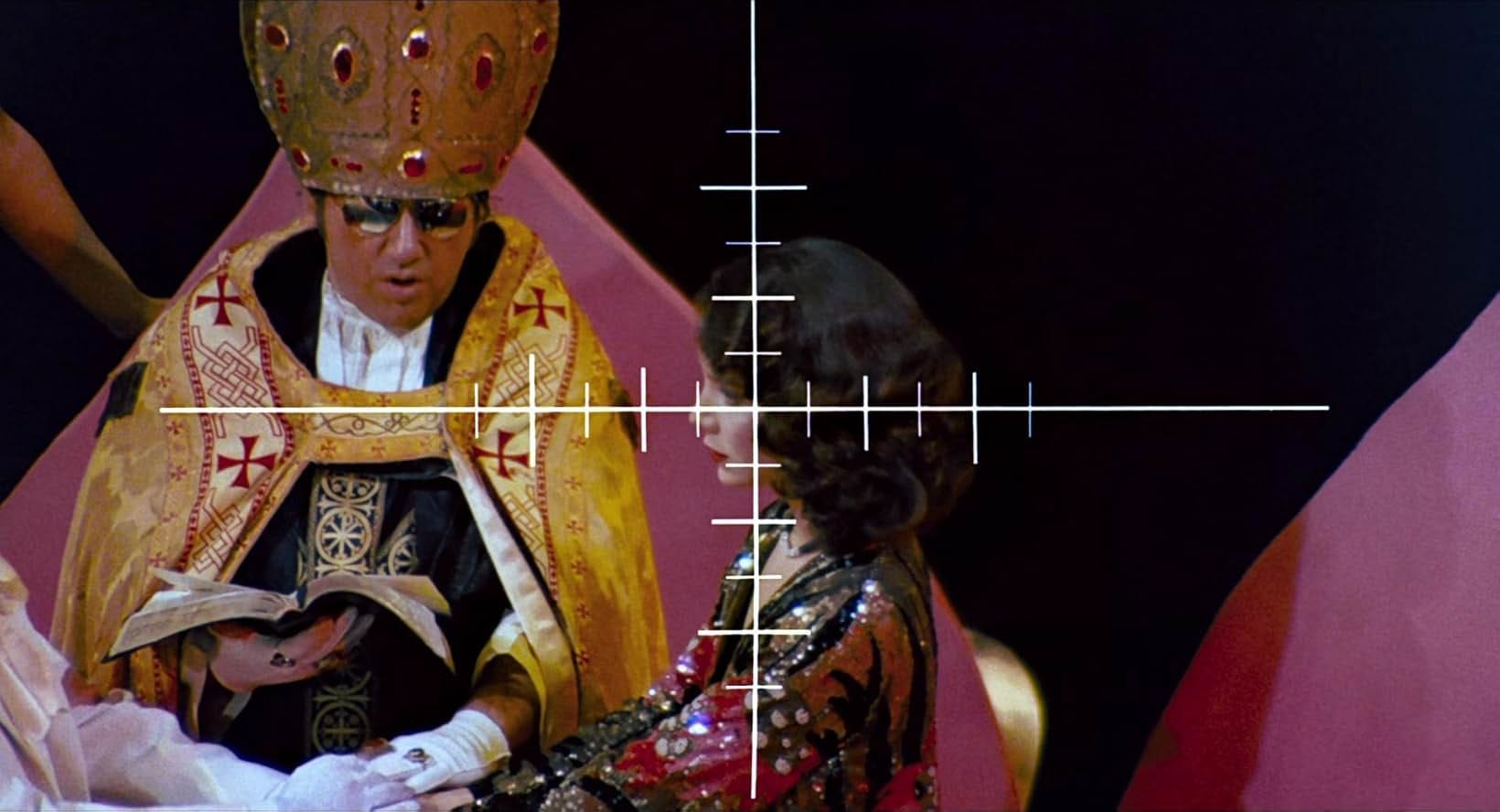
However, things don’t go the way Swan has planned. You see, Winslow/The Phantom has found a way to terminate both he and Swan’s contracts forever.
By the end of the film, only Phoenix survives.
Writer-Director Brian De Palma has said the idea for Phantom of the Paradise came to him in 1969 while riding an elevator and listening to a Beatles song played on Muzak.
He was struck by the way Muzak took a beautiful song and ruined it. That got De Palma thinking about how the music business ruins talented artists all the time.
Before long, De Palma had written the entire script.
Originally, the movie was called, Phantom of the Fillmore. De Palma wanted to film it at Bill Graham’s Fillmore rock palace in San Francisco, but Graham refused.
Then De Palma changed the title to The Phantom and tried to get Mick Jagger to play the role of Swan. When Jagger turned down the offer, David Bowie was given the script, but he turned down the chance to play Swan too.
De Palma also wanted the band, Sha-Na-Na to appear in the movie but they also declined to be involved.
When De Palma went to A&M records in Los Angeles to see if they could help him find music for the movie, they introduced him to singer-songwriter, Paul Williams.
At that time, Williams was a hot songwriter because he had written either the music, lyrics, or both for such songs as Just an Old Fashioned Love Song for Three Dog Night and the hits, We’ve Only Just Begun and Rainy Days and Mondays, for The Carpenters.
Williams agreed to compose all of the songs for the movie and asked if he could play the role of Winslow Leach.
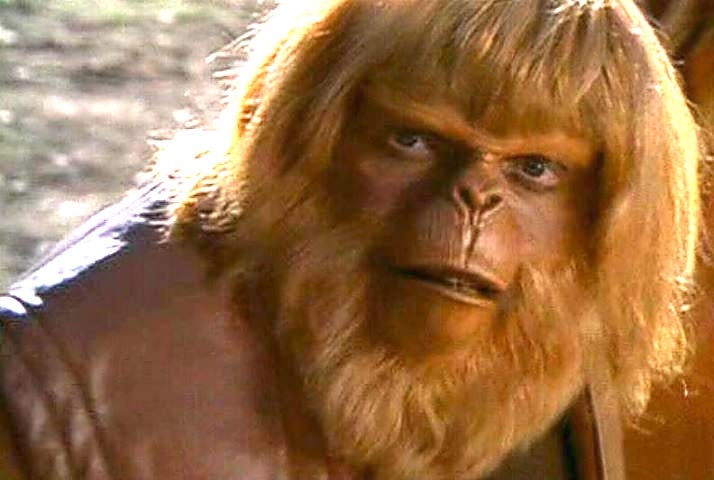
This wasn’t that far-fetched of a request. Most people don’t know that Paul Williams got his start in Hollywood as an actor, not as a songwriter. As a child, Paul Williams appeared in the classic Marlon Brando movie, The Chase and in Tony Richardson’s comedy, The Loved One. Later, Williams was the orangutan war counselor, Virgil, in Battle For Planet of the Apes.
Even though Brian De Palma had written the role for his friend, actor William Finley, De Palma agreed to let Paul Williams play the lead role.
At that point, the original cast was going to consist of Gerrit Graham as Swan; Paul Williams as Winslow Leach; and Peter Boyle as Beef.
But after reading the latest version of the script, Paul Williams changed his mind because he realized the role of Swan was more devious and fun. He asked De Palma if could play Swan instead. Since De Palma had modeled the role after music producer Phil Spector, who was also diminutive, he agreed.
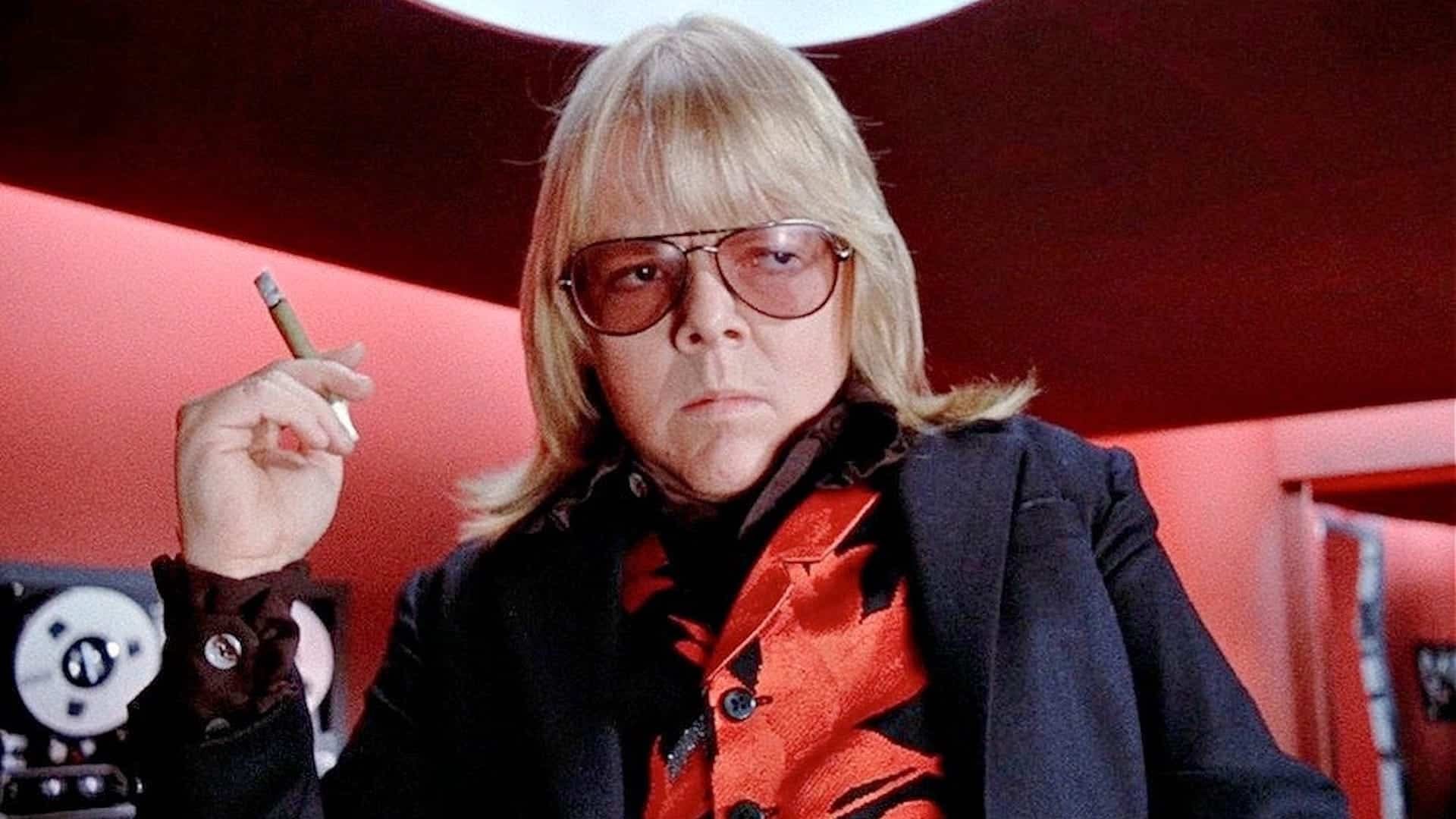
William Finley then played Winslow Leach just as De Palma had originally intended.
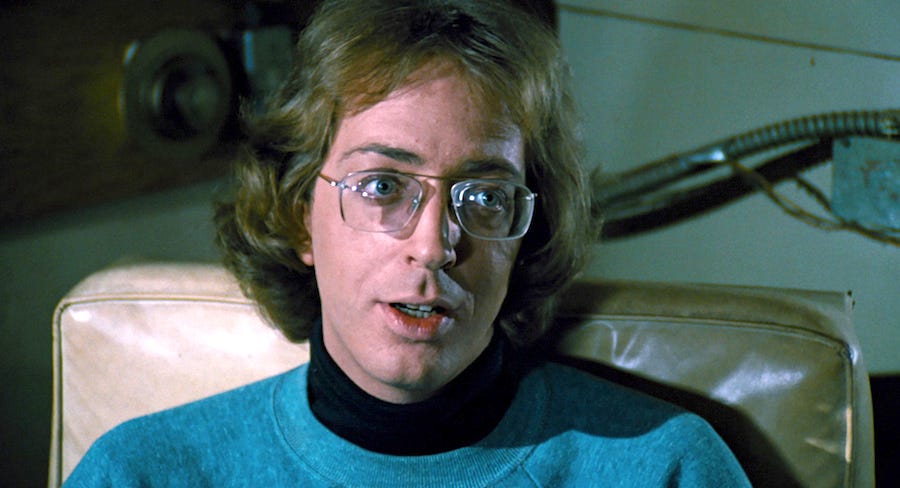
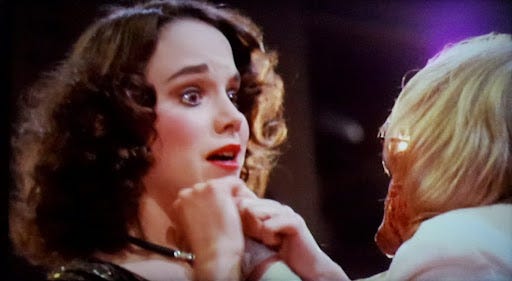
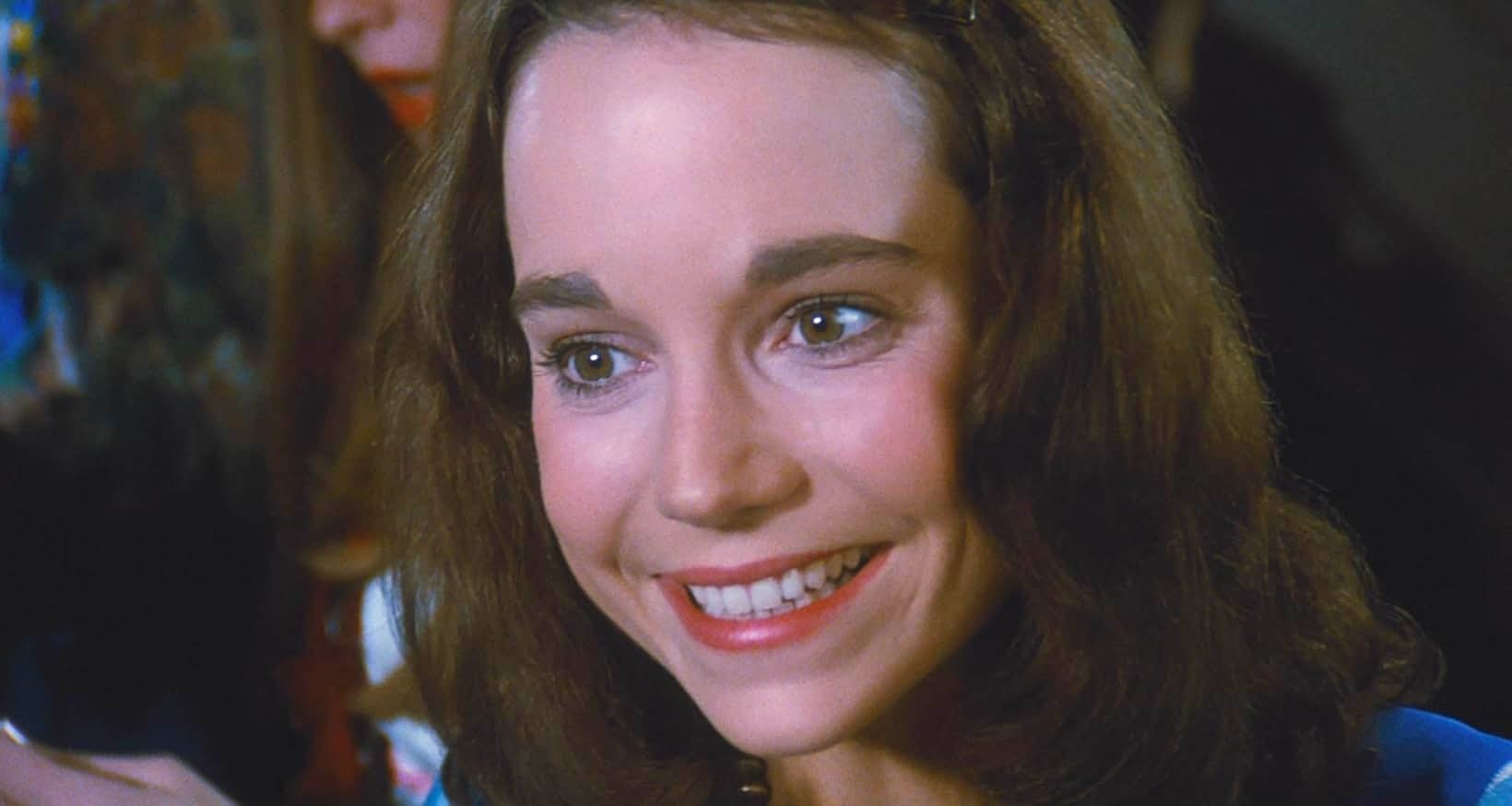
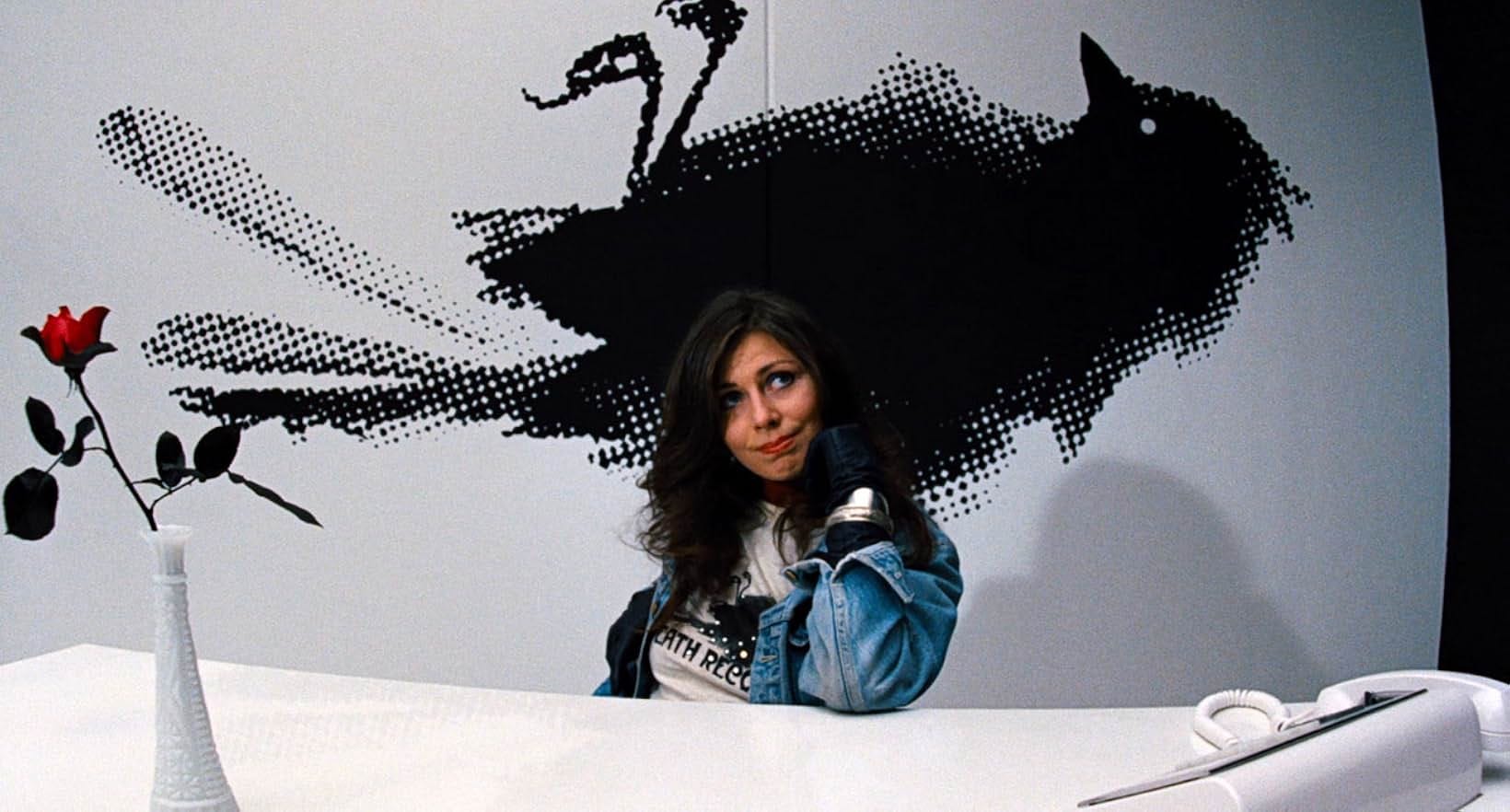
For the role of Phoenix, De Palma discovered Jessica Harper after seeing her perform in a rock musical off-broadway. However, De Palma also considered singer Linda Ronstadt for the part.
After both singers made screen tests, Jessica Harper was chosen for the role.
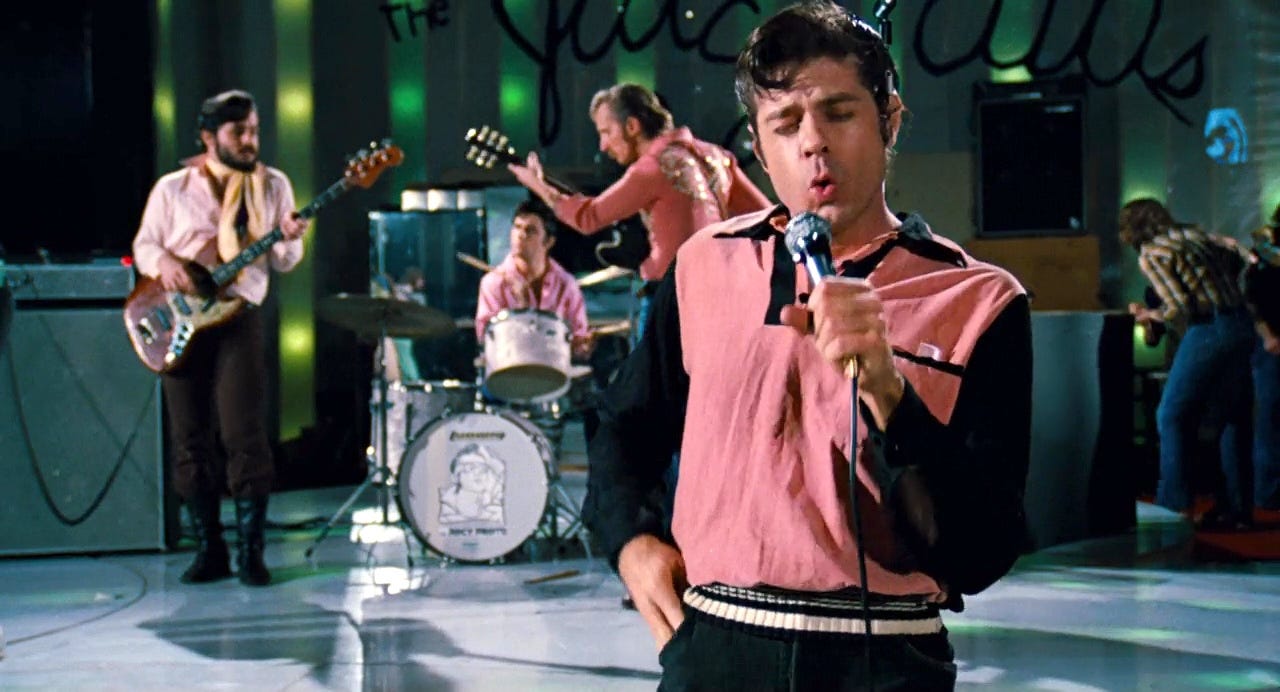
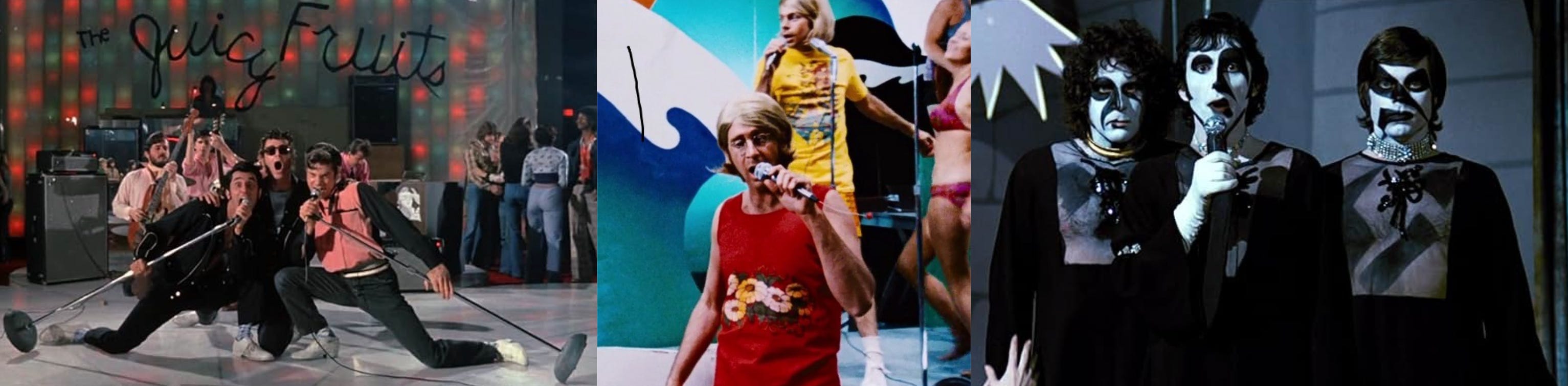
For the three fictional rock bands in the movie, The Juicy Fruits (A Sha-Na-Na parody); The Beach Bums (A parody of The Beach Boys) and The Undead (A parody of Kiss), De Palma cast Peter Elbling, Archie Hahn, and Jeffrey Comanor after seeing them perform in off-Broadway shows.
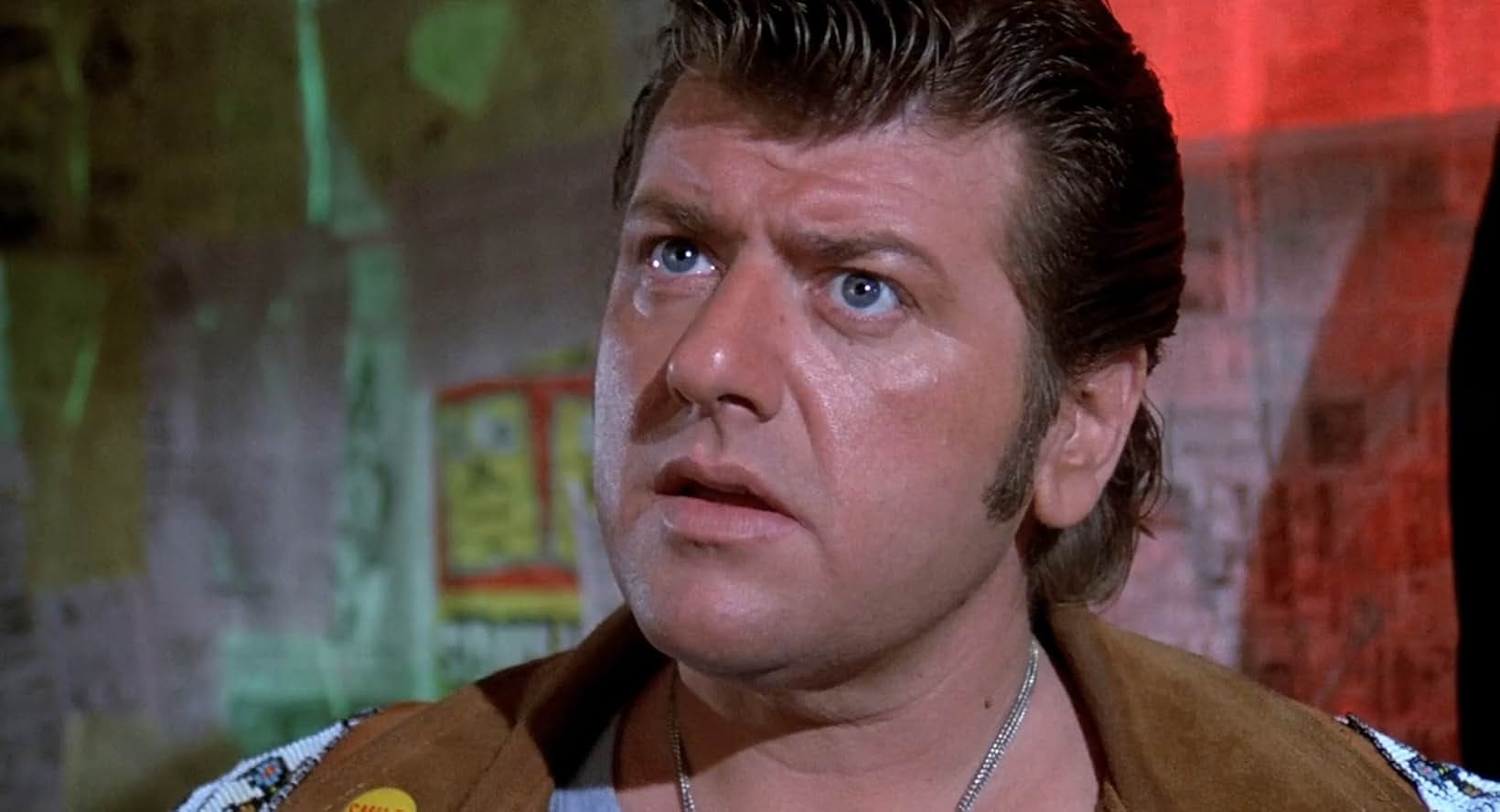
Character actor George Memmoli, who had recently appeared in Martin Scorsese’s breakthrough movie, Mean Streets, was cast as Swan’s enforcer, Philbin.
The production was designed by Jack Fisk, with assistance from his girlfriend, actress Sissy Spacek, who would star in De Palma’s, Carrie, two years later.
The cinematography was by Larry Pizer, and the film was edited by Paul Hirsch, who would go on to win an Academy Award for editing Star Wars three years later.
The film was produced by Edward Pressman who had also produced De Palma’s previous film, Sisters, as well as Terrence Malick’s Badlands.
Filming took place between November 26th, 1973 and January 29th, 1974 (a little over a month) in New York City, Los Angeles, and Dallas, Texas.
Sadly, one sequence had to be eliminated from the filming schedule. As described by Paul Williams in the documentary Paradise Regained, this sounds like it would have been a really great scene.
After Beef is electrocuted while performing on-stage and Phoenix finishes the production, the scene would dissolve to Beef’s funeral where people would dance around the casket as it was about to be lowered into the gravesite. As they danced, they would sing the song, The Hell Of It (which can now be heard over the end credits of the film).
As they do this, the camera would pan over to the hearse. Inside, Swan is recording the proceedings. As the casket is lowered into the ground, a young girl would jump on top of it and begin tap dancing as a way of auditioning for Swan (if you listen closely to the song over the end credits and/or on the soundtrack album you can hear the sound of tap dancing in one part). It’s a shame Beef’s funeral was never filmed; it would’ve been another great scene in the movie.
After filming was completed, the independently financed movie was sold to Twentieth Century Fox for two million dollars plus a percentage of the profits.
However, this is when the problems began.
First, Universal Studios sued the filmmakers for copyright infringement on their version of Phantom of the Opera.
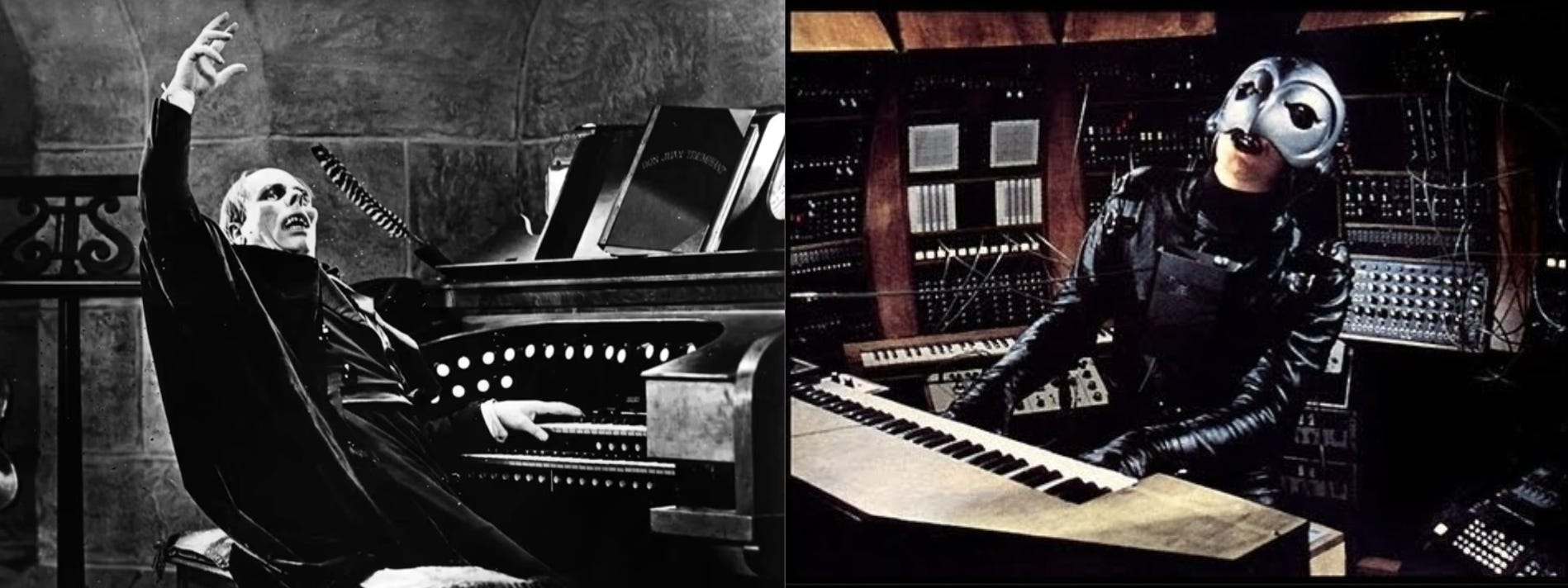
Even though the original novel by Gaston Leroux was published in 1910, Universal still pushed their claims that they “owned” the rights to the story. Since a lengthy lawsuit would prevent Phantom of the Paradise from keeping its release date, the filmmakers decided to settle with Universal out of court.
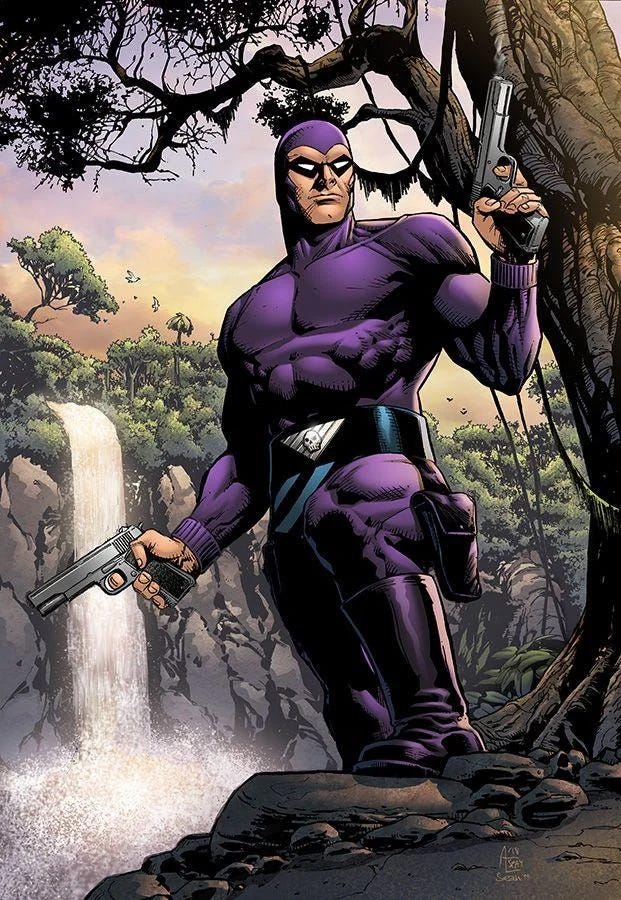
Next, the filmmakers were sued by the comic book publisher, King Features Syndicate. One of their characters was named The Phantom so they sued to prevent that title from being used in the film. Once again, the filmmakers settled the complaint out of court and changed the title to Phantom of the Paradise.
However, the most serious lawsuit came from the rock band, Led Zeppelin.
After filming for Phantom of the Paradise was completed but before the film was released, Led Zeppelin formed their own record label called Swan Song Records in May of 1974.
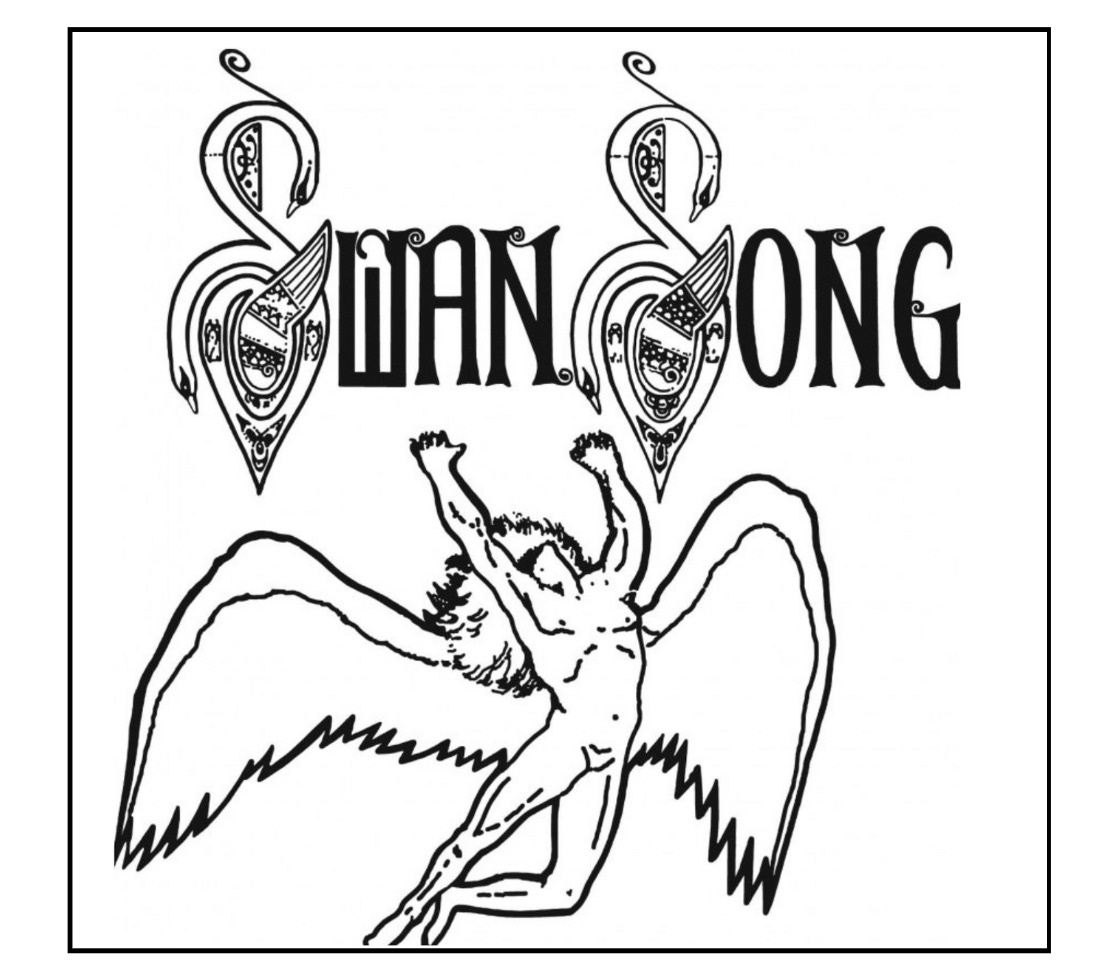
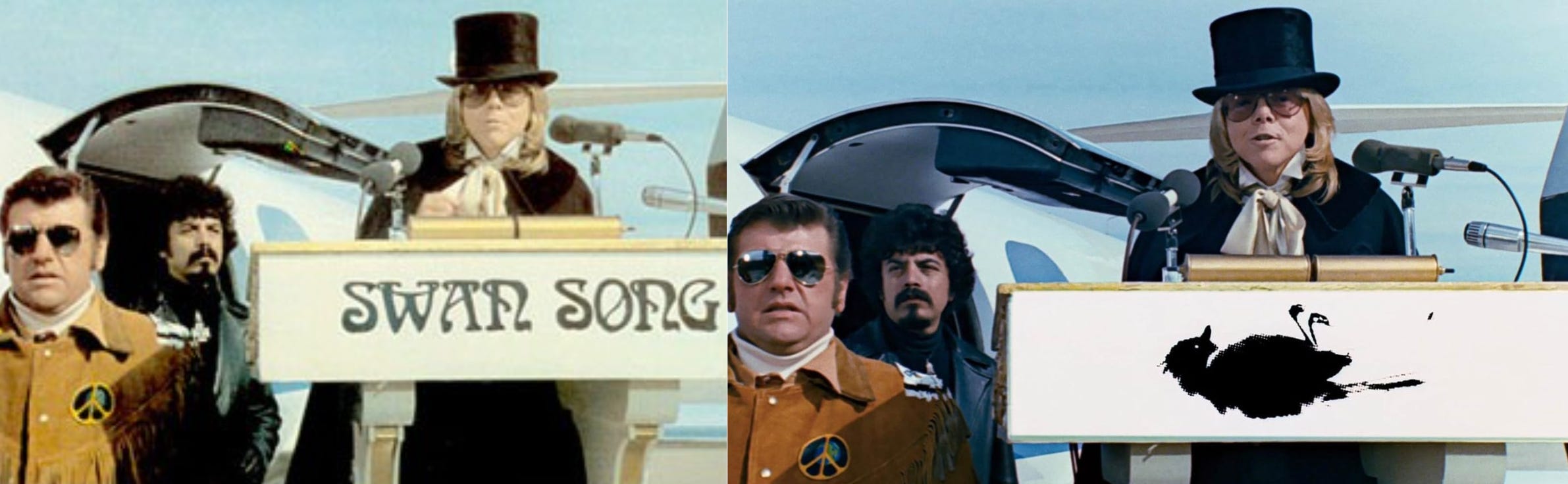
In the original cut of the film, Swan’s company is called Swan Song Enterprises and the name and logo appear throughout the film on signs, posters, and even Beef’s bath towel.
Unfortunately, Led Zeppelin refused to compromise and let the filmmakers keep that name. Why?
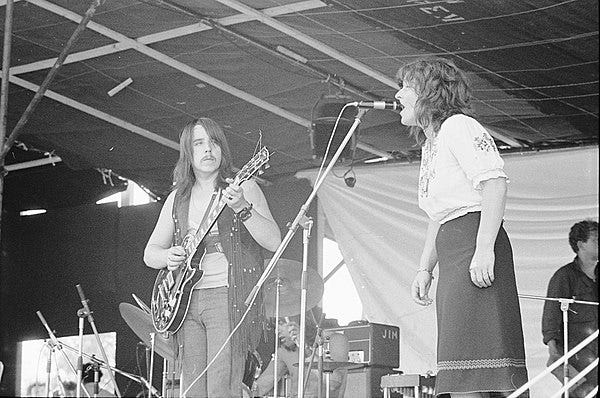
Well, it turns out that Led Zeppelin’s manager, Peter Grant, was also the manager for the Scottish blues rock band, Stone The Crows. In May of 1972, Stone The Crows were performing at at a concert in the UK. During their set, the band’s co-founder and lead guitarist, Les Harvey was tragically electrocuted onstage in front of a live audience after touching a microphone connected to wires that hadn’t been grounded.
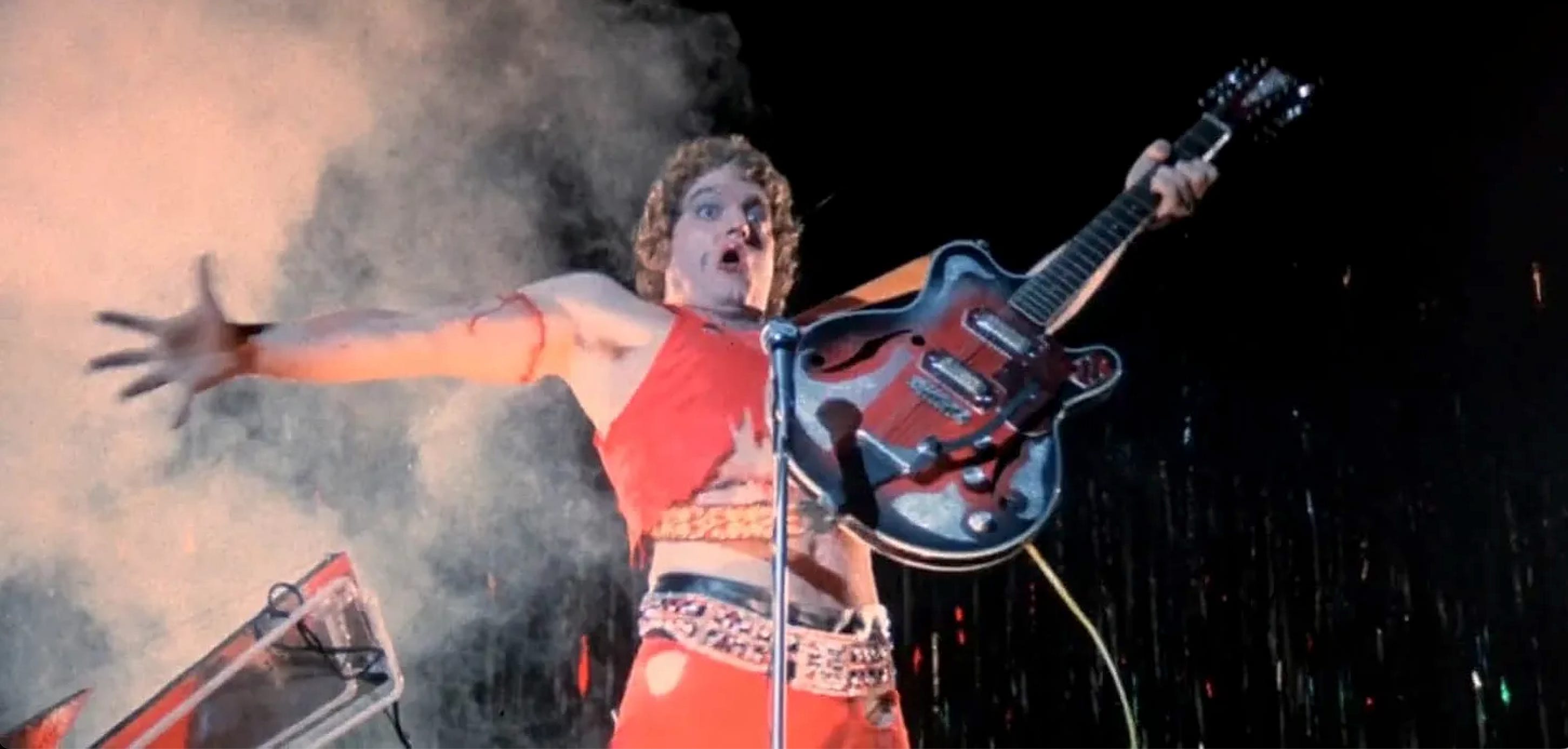
In Phantom of the Paradise, Beef is electrocuted in the middle of his song, Life At Last, after Winslow/The Phantom launches a neon lightning bolt at him from the top of the theater for humorous effect.
It’s unclear whether Brian De Palma knew about the Les Harvey accident or not.
Regardless, according to De Palma, Led Zeppelin’s manager was horrified and swore he would spend his last dollar to prevent the scene from being in the movie.
While the Beef’s electrocution remains in the movie, the name Swan Song does not.
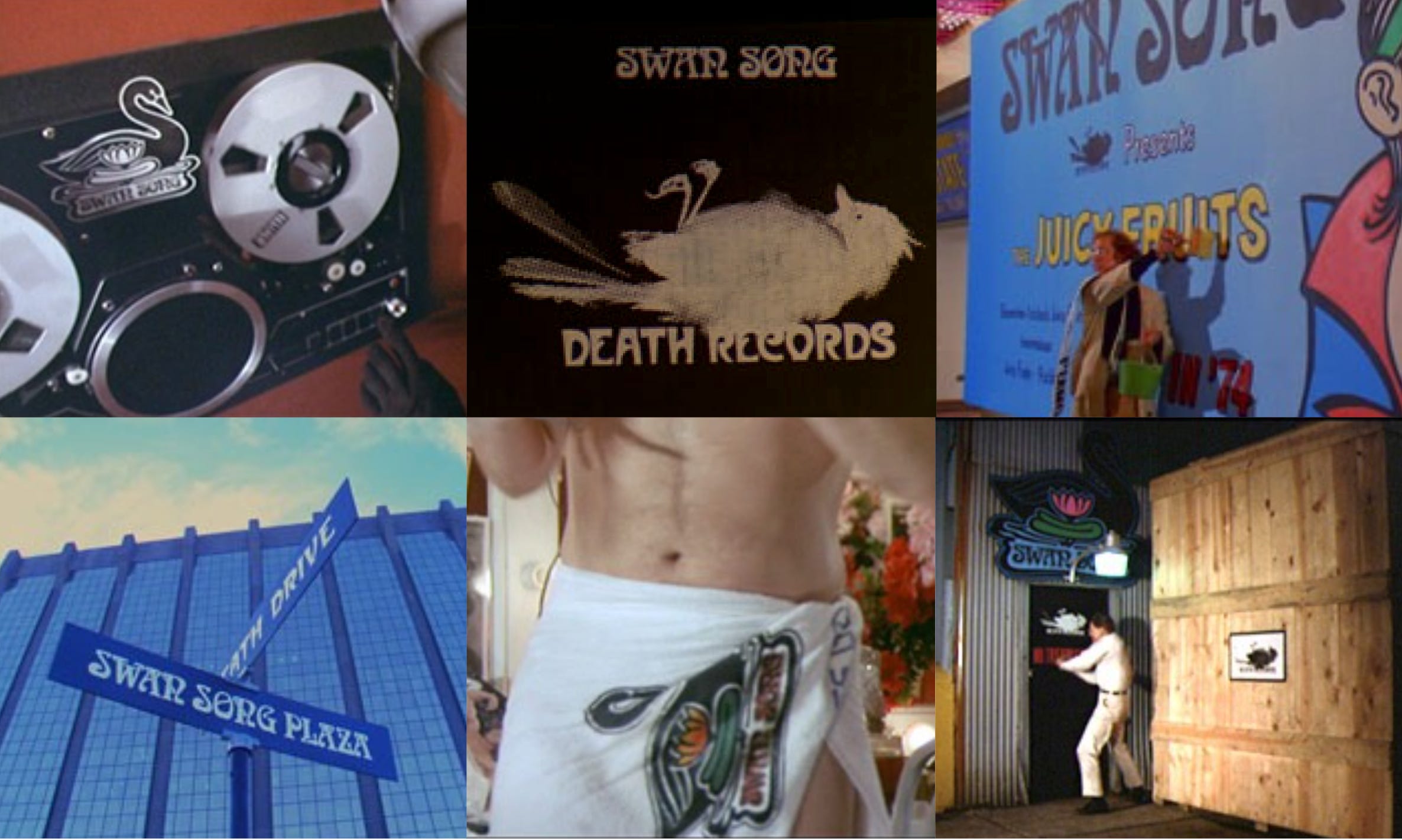
In fact, it had to be entirely removed from the film. Sometimes this meant certain shots had to be cut out of the movie. In other scenes, the name/logo had to be hand-painted over the original shot to hide the name. This is most obvious in the scene where Williams’ Swan introduces Beef to the press. The hand-painted logo on Williams’ podium jitters throughout the scene due to the limited technology at the time to cover it up.
The film opened in November of 1974 to mixed reviews. Sadly, it didn’t do well at the box office and soon disappeared from theaters, except in Winnipeg, Canada, where it became a hit (In fact, Winnipeg has always had a strong fanbase for the film and even hosted a fan-organized festival dubbed, Phantompalooza in 2005 and 2006).
In the following year, 1975, The Rocky Horror Picture Show was released by the same studio - Twentieth Century Fox - but that horror-themed musical also received mixed reviews and did poorly at the box office.
Even so, later that year, the marketing department of Twentieth Century Fox was able to successfully put together a new marketing campaign for Rocky Horror to capitalize the film’s emerging popularity as a midnight movie.
This was later done for Phantom of the Paradise too.
The new marketing campaign for Phantom focused on the horror aspects of the film and less on the music. As a result, the film did much better at the box office during its second re-release.
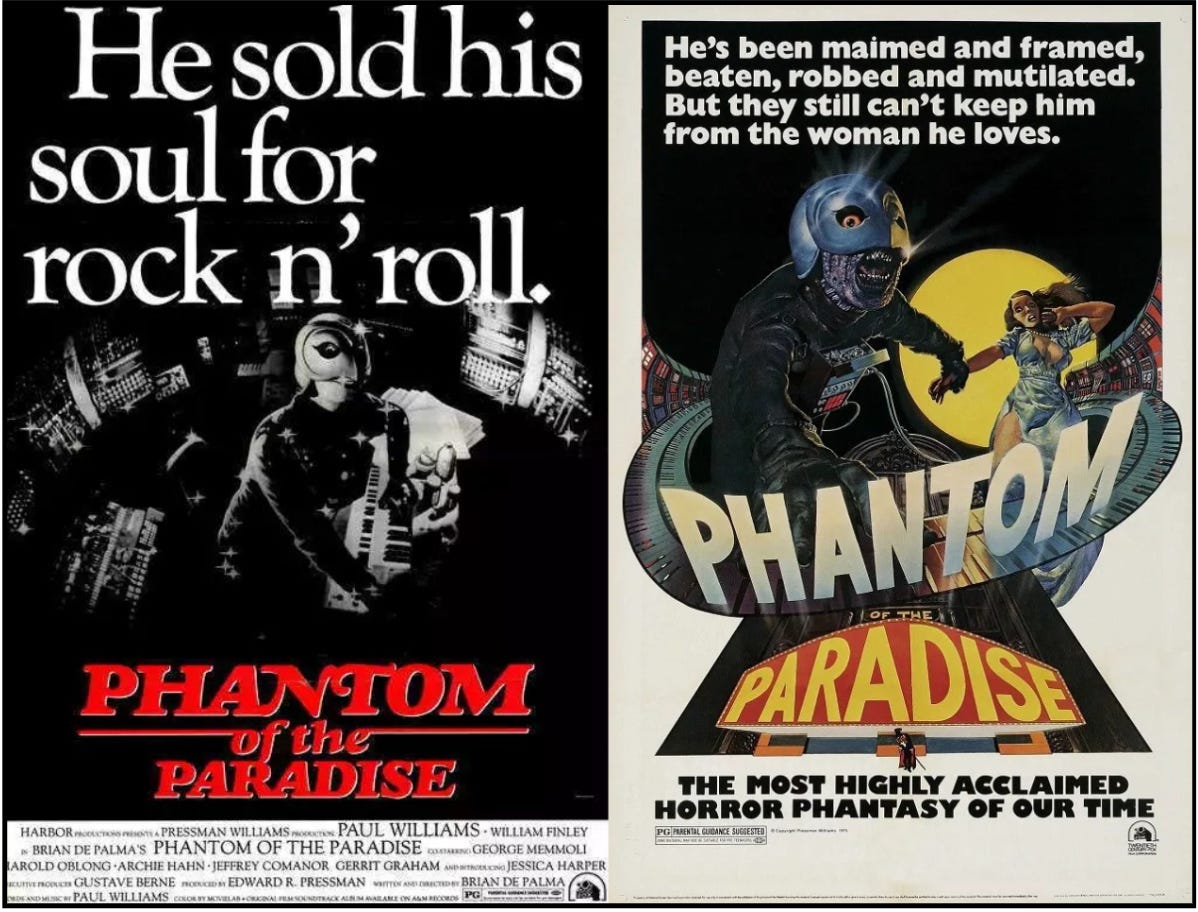
In the years since both Phantom of the Paradise and The Rocky Horror Picture Show were first released, both films have developed a dedicated cult of fans around the world.
And, in my opinion, even though Phantom of the Paradise isn’t as well known as Rocky Horror to most people, it’s still the better film.
So what is it that makes Phantom of the Paradise great?
First, the story and script are both excellent as they combine elements of The Phantom of the Opera, Faust, and The Picture of Dorian Gray into a musical comedy.
In addition, De Palma has created an original take for this film by setting it in the world of rock music.
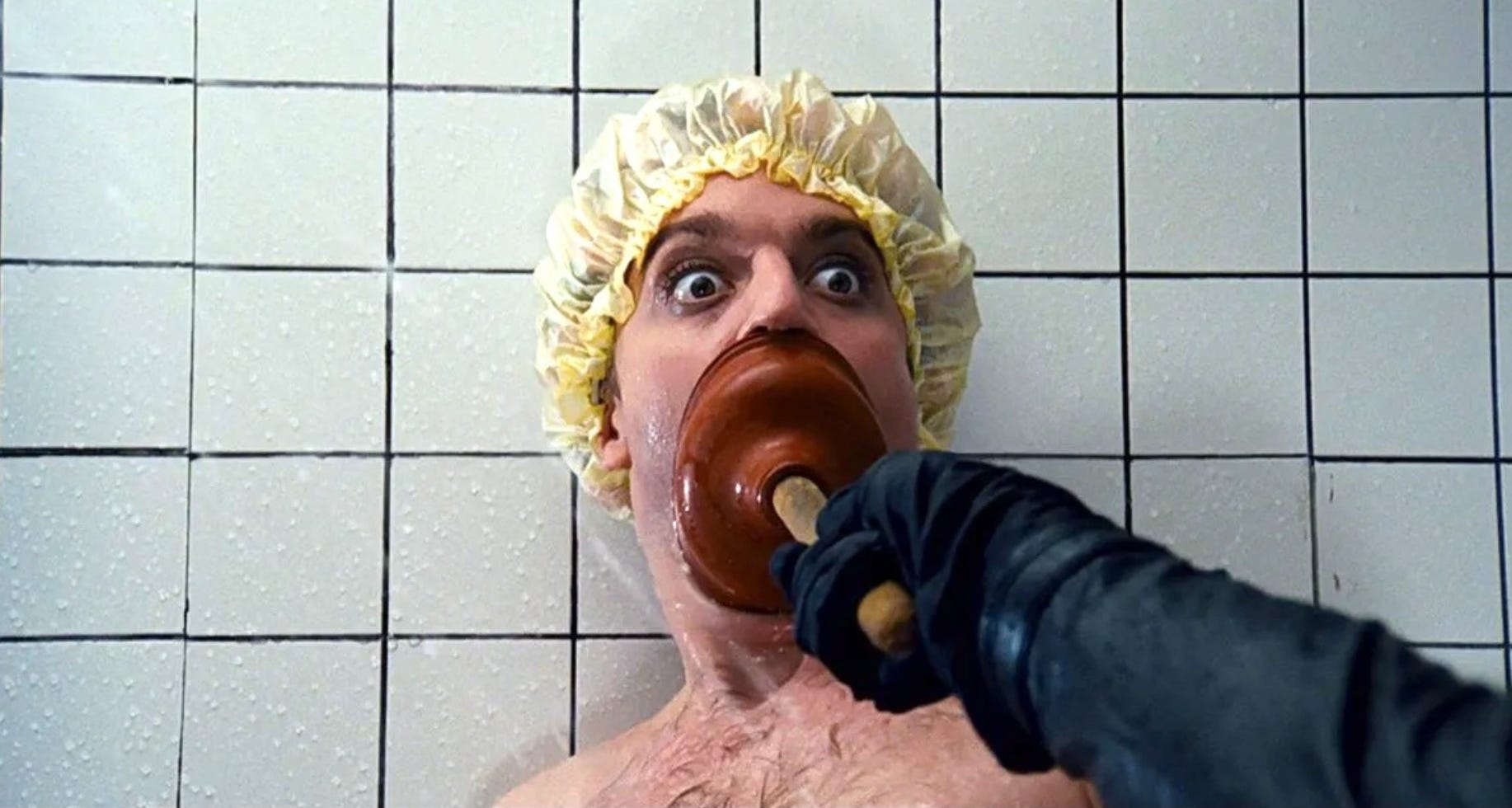
Another aspect of the script that doesn’t get enough due is how funny the dialogue is throughout the movie. Brian De Palma effectively uses satire in his script to poke fun at everything from rock music moguls to bands like Sha-na-na, The Beach Boys, and indirectly, Kiss. And, if that’s not enough, De Palma even parodies scenes from famous movies like the beginning of The Godfather and the famous shower scene from Psycho in very humorous ways.
Next, the film has a great musical score by Paul Williams. At the time of the film’s release, Williams was probably best known for composing ballads like We’ve Only Just Begun and Rainy Days and Mondays that were turned into hits by The Carpenters.
However, here Williams is allowed to expand his range as he writes songs for the movie that range from parodies of early 50’s rock’n’ roll (Goodbye, Eddie, Goodbye) and Beach Boys’ type surf tunes (Upholstery) to beautiful ballads (Old Souls) and Metallic glam rock (Somebody Super Like You/Life At Last) along with some pop/rock thrown in too (The Hell of It). It’s an amazingly diverse score that works on a variety of levels to support the film.
Another reason why Phantom is great is due to the acting by the entire cast. For his first leading role, Paul Williams is quite effective as Swan. He projects an impish charm that can quickly turn to reveal the darker side of his character within the same scene.
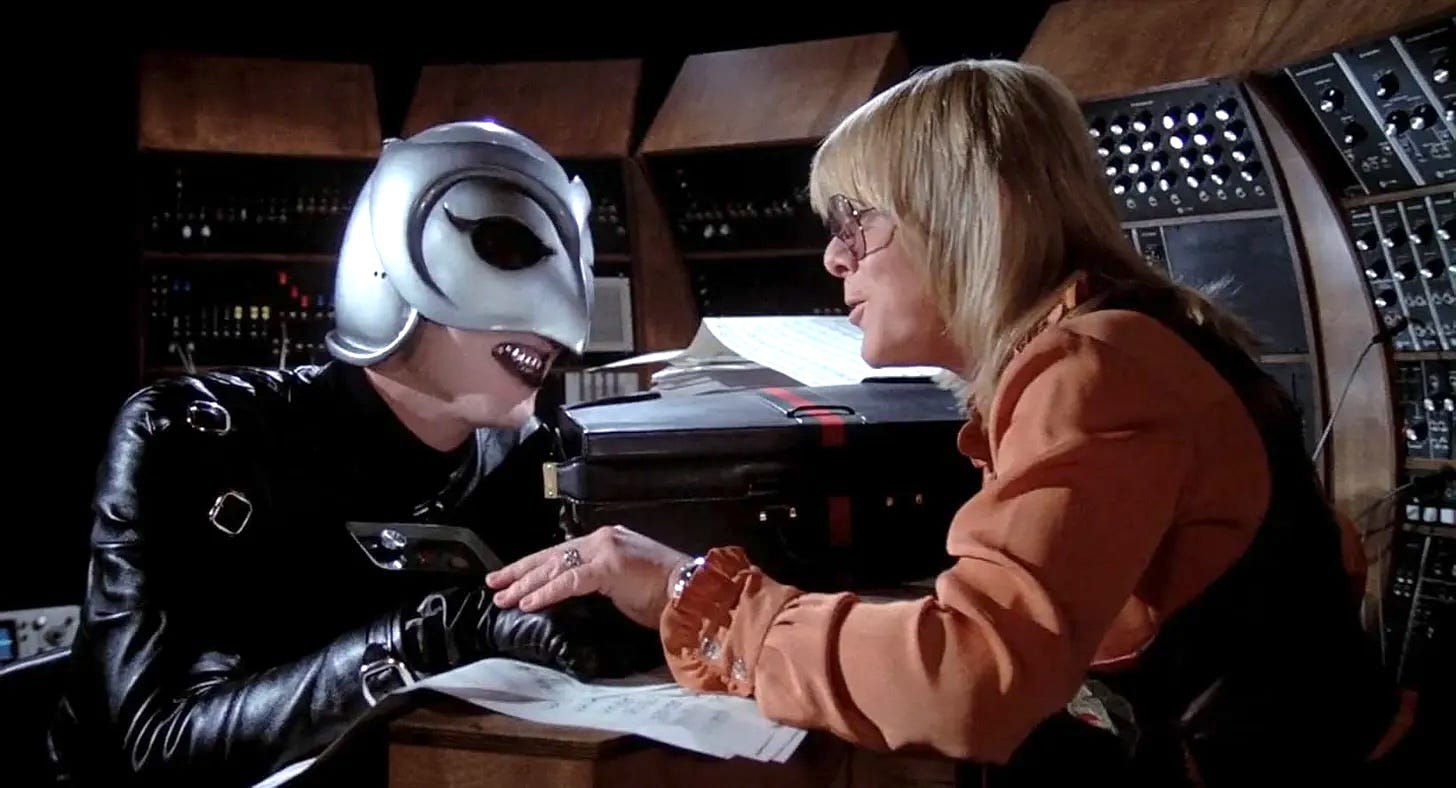
Similarly, William Finley also gives a great performance as the innocent singer-songwriter Winslow Leach who also has a darker side that reveals itself once Winslow becomes The Phantom.
In her film debut, Jessica Harper reveals an off-beat sense of humor and innocence, along with a fine singing voice, which to me is reminiscent of Karen Carpenter, especially when Harper sings ballads like Old Souls in the film.
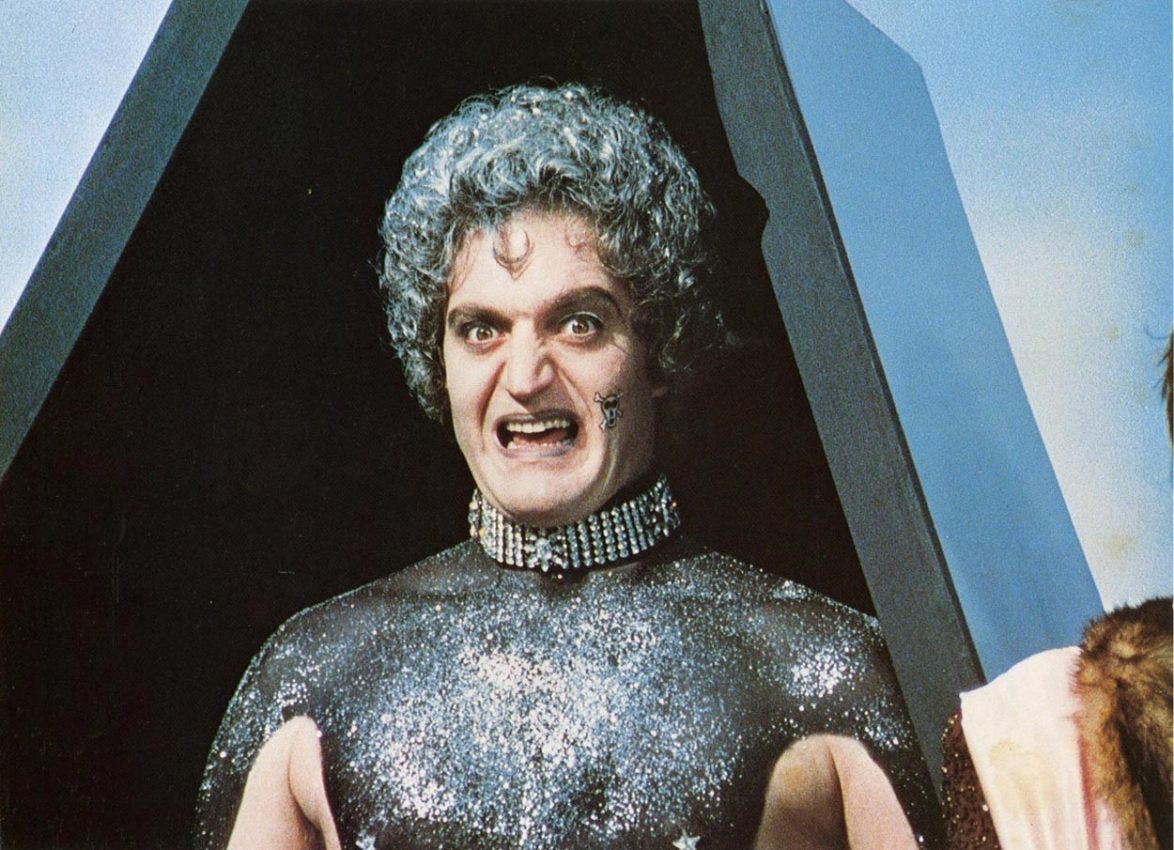
And, of course, Gerrit Graham is fantastic in the scene-stealing role of Beef, using his comic timing and Little Richard inspired demeanor to create a macho yet effeminate glam rocker.
The supporting cast also adds a lot to the film, especially the late George Memmoli as Swan’s enforcer, Philbin, and the three actors who portray all of Swan’s rock bands at the Paradise: Jeffrey Comanor, Peter Elbling, and Archie Hahn.
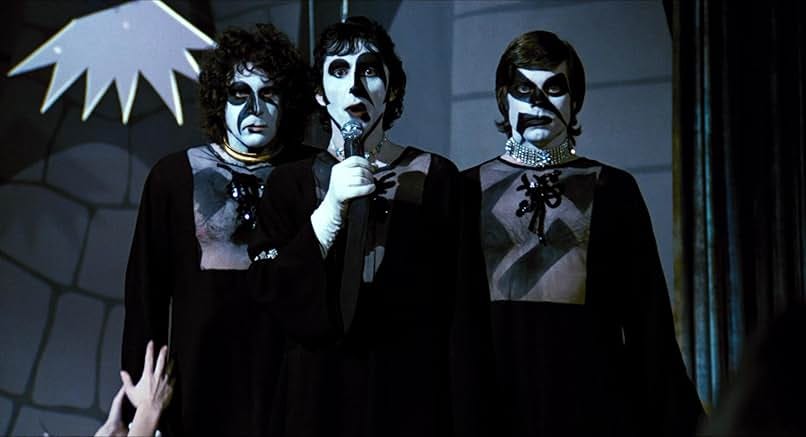
The contributions by the crew also help make this movie great, especially since it was made on such a low budget. These include the inventive cinematography by Larry Pizer, who effectively uses crazy angles and split screen shots to increase the suspense and captivate viewers at the same time; the colorful production design by Jack Fisk; and the fine editing by Paul Hirsch.
Without all of these fine craftsmen, this film wouldn’t be as visually dazzling as it is on the screen.
Finally, another thing that makes Phantom of the Paradise great is the fact that it’s fun.
People forget that early De Palma movies were essentially satirical comedies (Greetings; Hi, Mom!) and here De Palma’s warped sense of humor, finely delivered by the excellent cast, make this movie an enjoyable experience. The fact that it’s also a very funny satire of rock music/the music business only adds to the viewer’s enjoyment.
Interestingly, Phantom of the Paradise has proved to be influential for other filmmakers too.
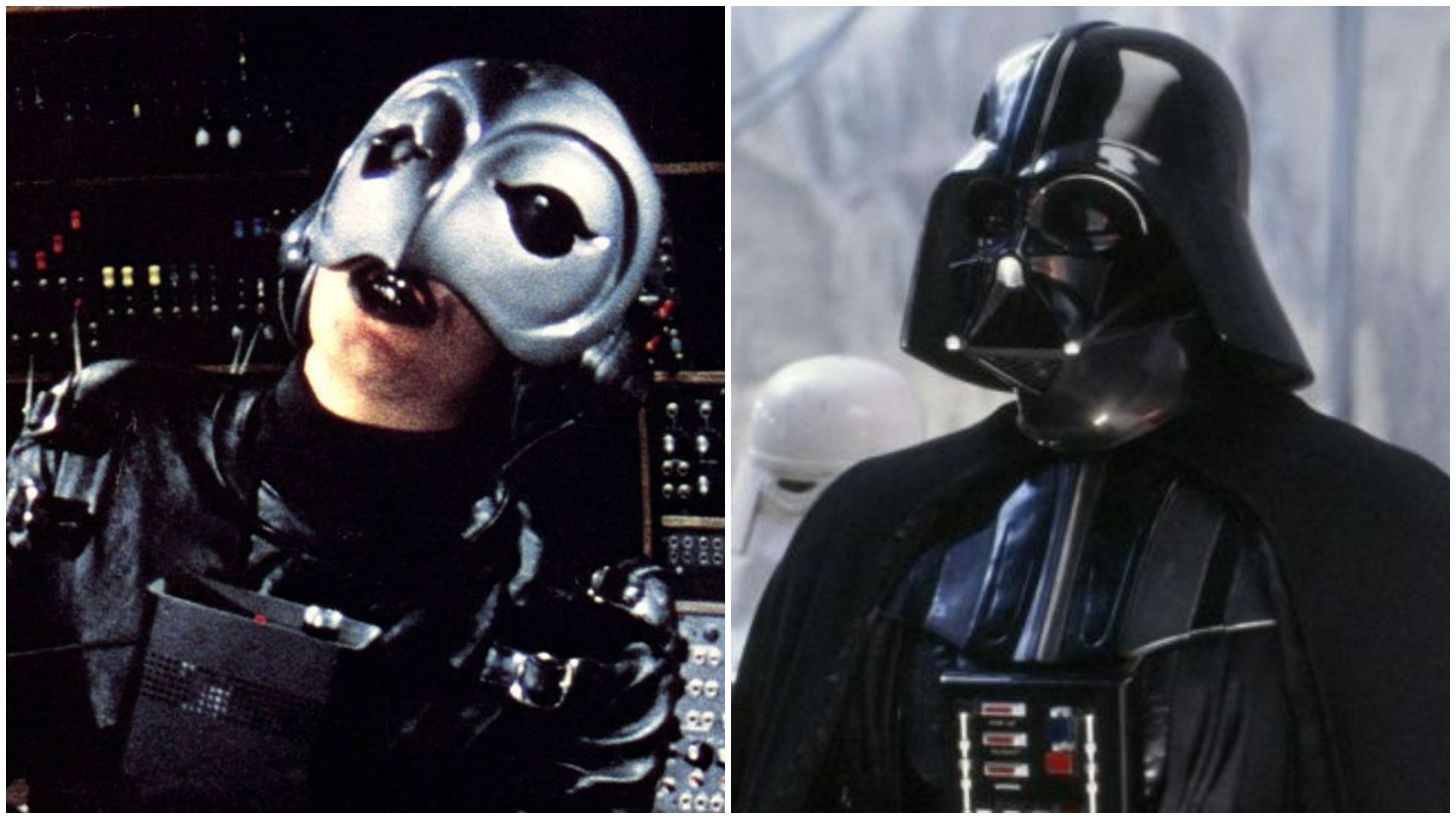
Perhaps the most obvious influence is Star Wars.
Most people probably don’t know that George Lucas and Brian De Palma were close friends at the time Phantom was being filmed and distributed. De Palma showed Lucas early cuts of Phantom to get his opinion of the film.
Later, when De Palma saw an early cut of Star Wars, imagine his surprise when De Palma realized that Darth Vader is clearly modeled after The Phantom; both are dressed in black; both wear a helmet to hide their disfigured heads; and perhaps most importantly, both rely on the voice-box design De Palma came up with for The Phantom, to speak.
Another influence on Star Wars is the editing. Paul Hirsch, who edited both films (and won an Oscar for his work on Star Wars) effectively gives both films a comic book/Saturday morning serial feel, using various transitions between scenes that would be imitated later by movies like the remake of Flash Gordon and more recently, all of the Marvel movies.
Other filmmakers were inspired by Phantom of the Paradise to make their own offbeat movies and cast Jessica Harper in them. These films include Suspiria, Shock Treatment, and Pennies from Heaven.
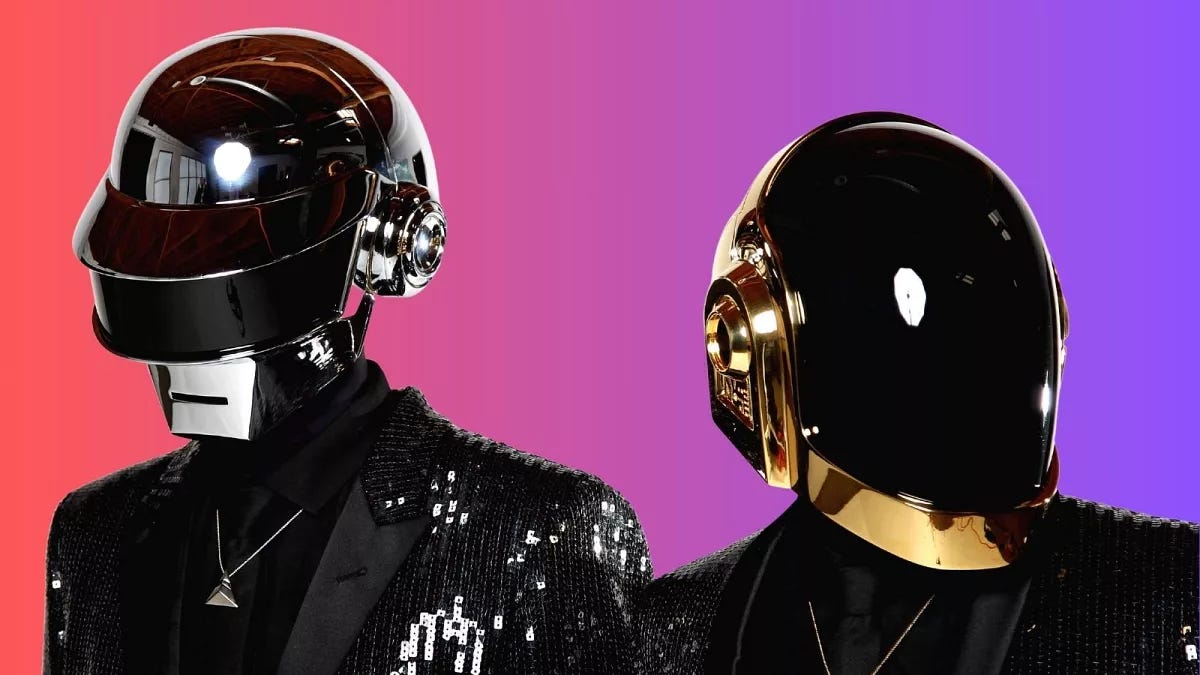
And, although they’re not filmmakers, the electronic music duo, Daft Punk, has gone on record stating they were inspired to wear robot helmets when they perform live after seeing Phantom of the Paradise.
Yet, perhaps the film’s most important influence was on the young Guillermo Del Toro, who saw the movie as a teenager and has publicly credited Phantom of the Paradise for making him want to become a film director.
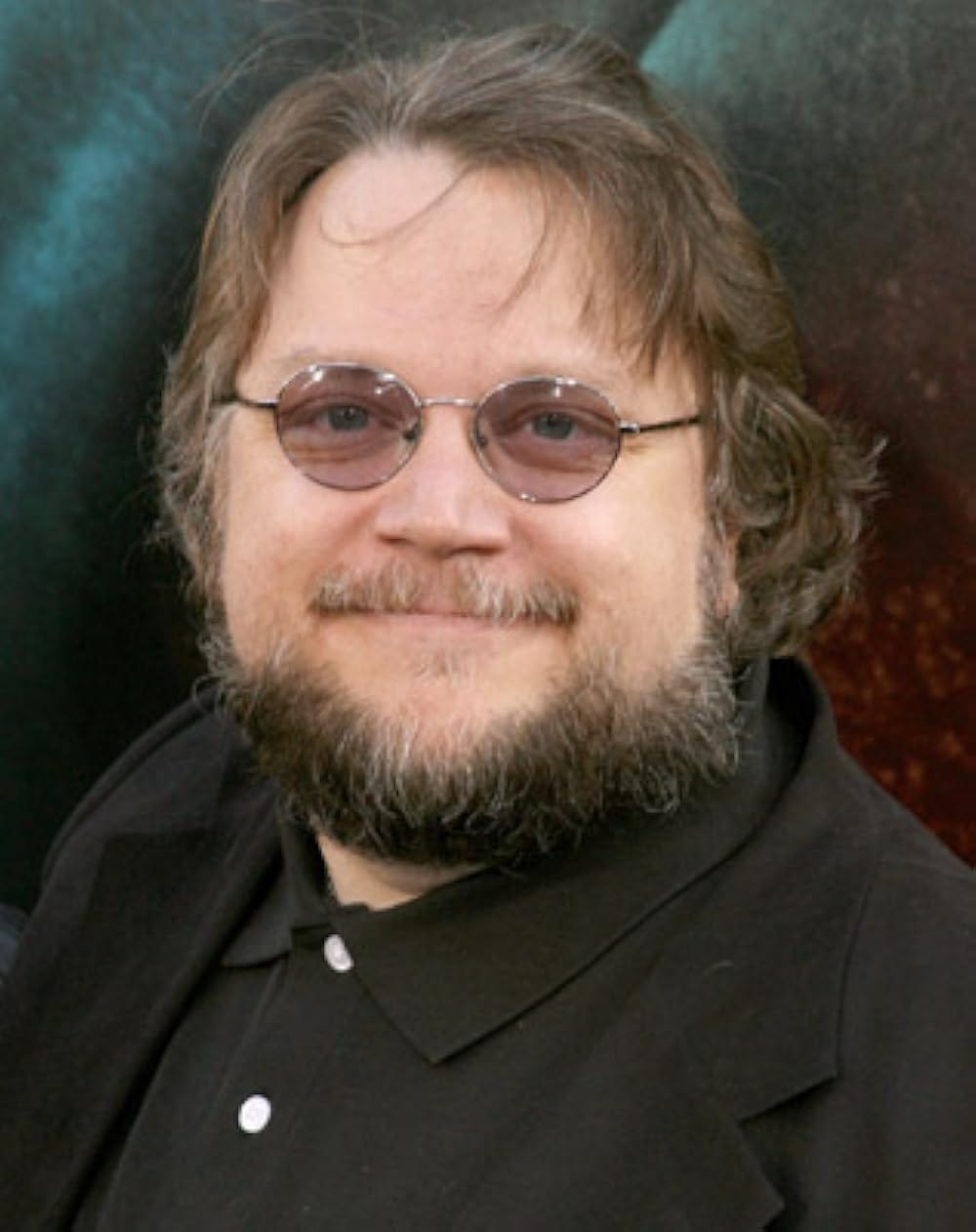
In fact, Del Toro has recently expressed interest in remaking the film.
Finally, with Halloween approaching later this week, this is the perfect time for anyone who has never seen Phantom of the Paradise to watch it for the first time and for those who have seen the film in the past to revisit it again to celebrate the movie’s 50th anniversary.
And you won’t even need to sell your soul to do it.
(Phantom of the Paradise is currently streaming on various channels and is available on both dvd and blu-ray. For more information, please visit swanarchives.org)
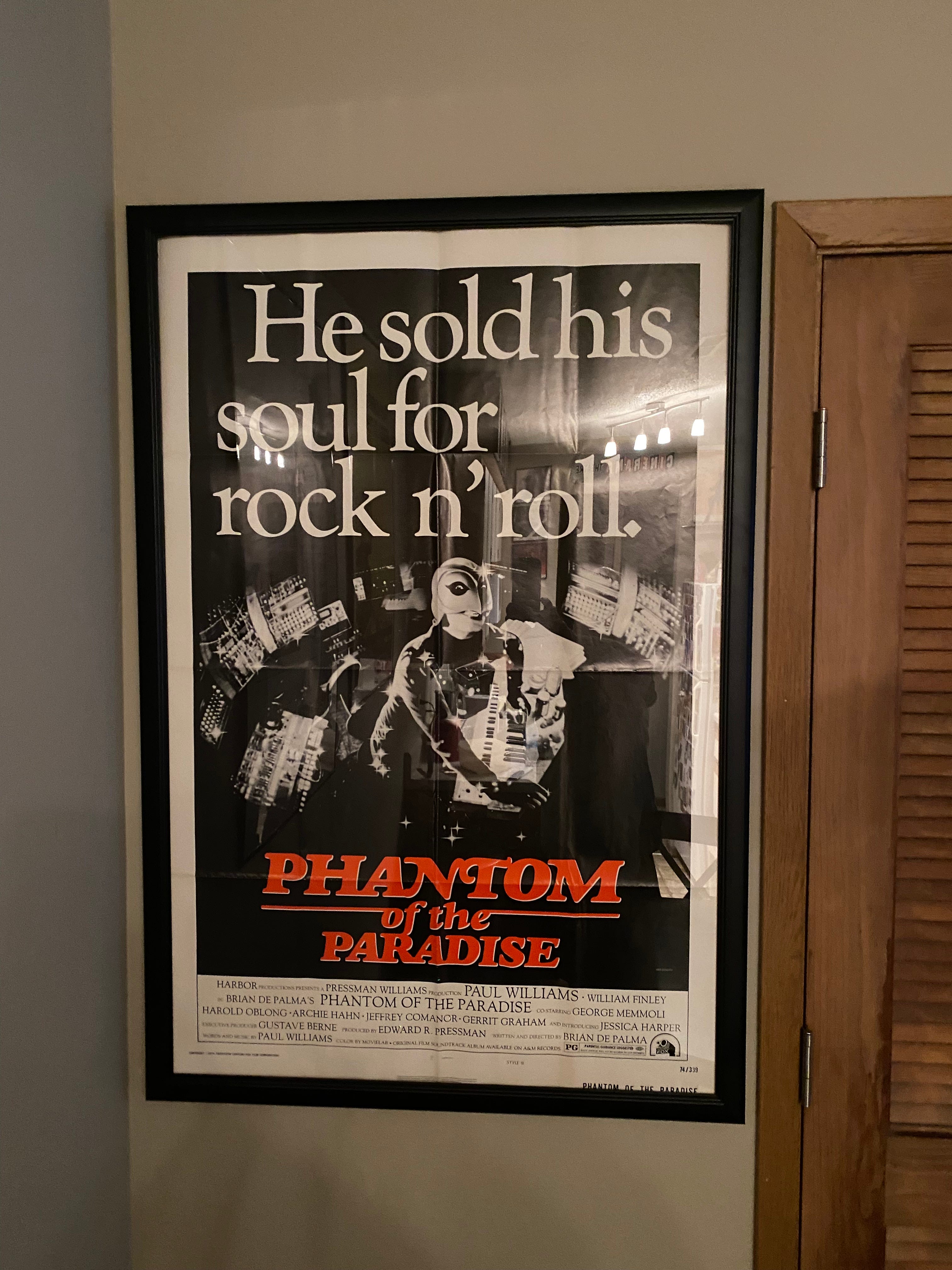
I absolutely adore this movie. Nobody does it like DePalma. They’re not totally comparable, but I take this over Rocky Horror any day
Great stuff, Jim! I wonder if the devil issues refunds? 🤔