
Whatever Happened To The Excitable Boy?
Why the late Warren Zevon deserves more appreciation

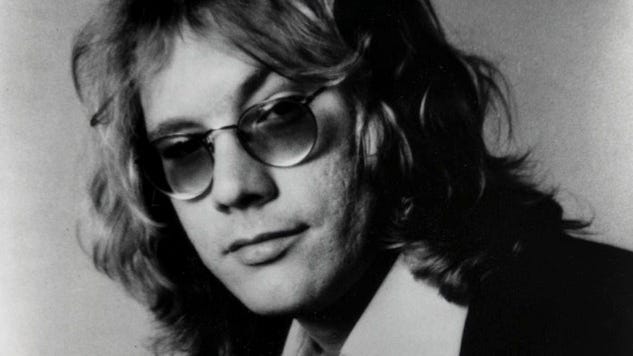
If you’re of a certain age, you probably remember hearing Warren Zevon’s hit song, Werewolves of London, for the first time on the radio. Or maybe you remember Zevon’s many appearances as a guest on David Letterman’s Late Night talk show.
However, does anyone under 40 really know (or care) about Warren Zevon’s music today?
Back in the 70’s and 80’s, there were three other major singer-songwriting piano-playing rockers: Elton John, Randy Newman, and Billy Joel. While all three of these musicians are quite talented, their music and lyrics aren’t as unique as those by Warren Zevon. He’s the thinking man’s rocker.
Yet, even though it’s been over 20 years since his untimely death from cancer at the age of 56, Warren Zevon remains one of the most brilliant yet neglected singer-songwriters in rock music.
It’s time for that to change.
Johnny Strikes Up The Band
Born in Chicago in 1947, Warren Zevon was the son of a bookie who worked for the notorious L.A. mobster, Mickey Cohen. After his father moved the family to California and his mother filed for divorce, Zevon dropped out of high school and moved to New York. His goal was to become a folk singer.
Eventually, Zevon began making money by composing jingles and working as a session musician. One of his early successes was having one of his original songs appear on the soundtrack to the classic film, Midnight Cowboy.
After his first solo album, Wanted Dead or Alive, (1970), bombed, Zevon became the keyboardist and bandleader for The Everly Brothers. He toured with the famous duo for the next five years.
Then, in the fall of 1975, Zevon returned to Los Angeles so he could work with Jackson Browne (who produced) on his major label debut album, the self-titled Warren Zevon.
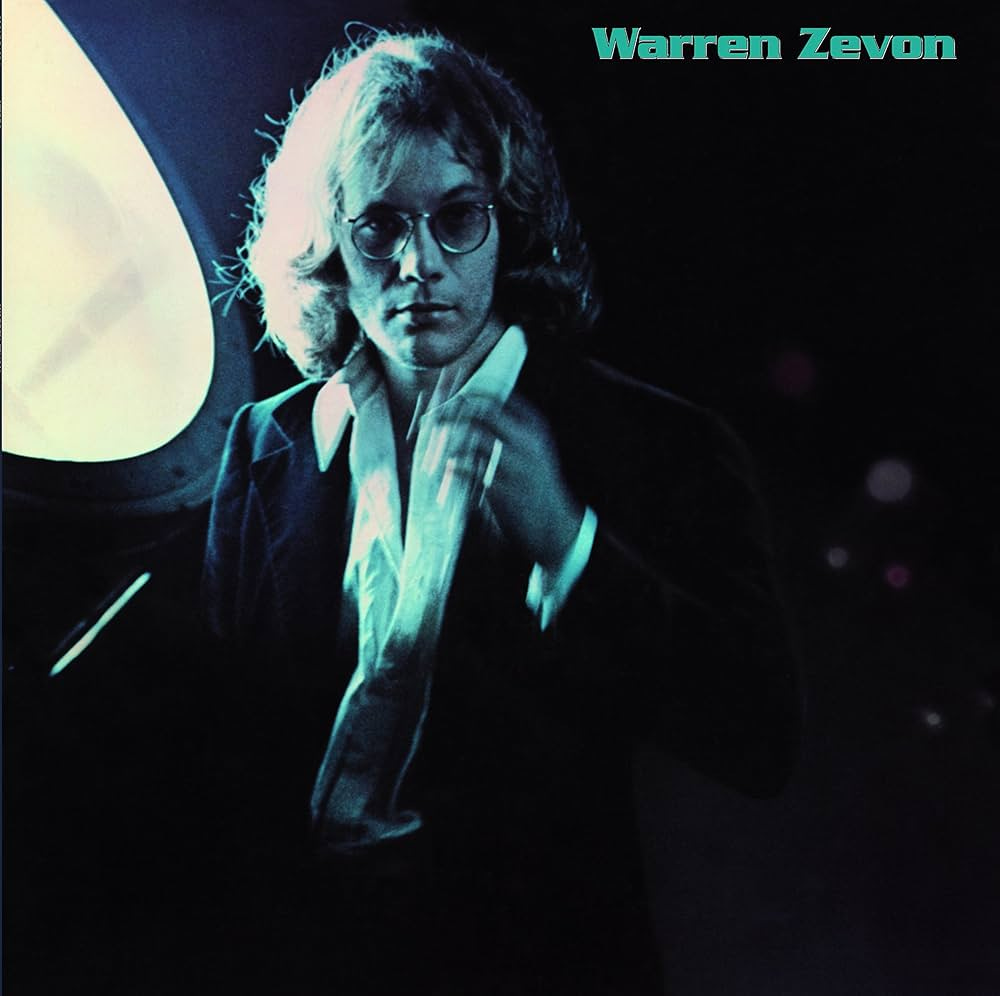
Featuring guest appearances by Fleetwood Mac, The Eagles, Bonnie Raitt, and Linda Ronstadt, (who would later record many of the album’s songs and turn them into hits), Warren Zevon only peaked at #189 on Billboard charts at the time. Even so, it’s still one of the best albums of the decade.
What makes this album so great isn’t just the fine production and Zevon’s skills at both singing and piano playing, it’s the songs. Almost every song on this album is a winner: Frank and Jesse James, Hasten Down The Wind, Poor Poor Pitiful Me, Mohammed’s Radio, I’ll Sleep When I’m Dead, Carmelita, and Desperados Under the Eaves.
Lawyers, Guns, and Money
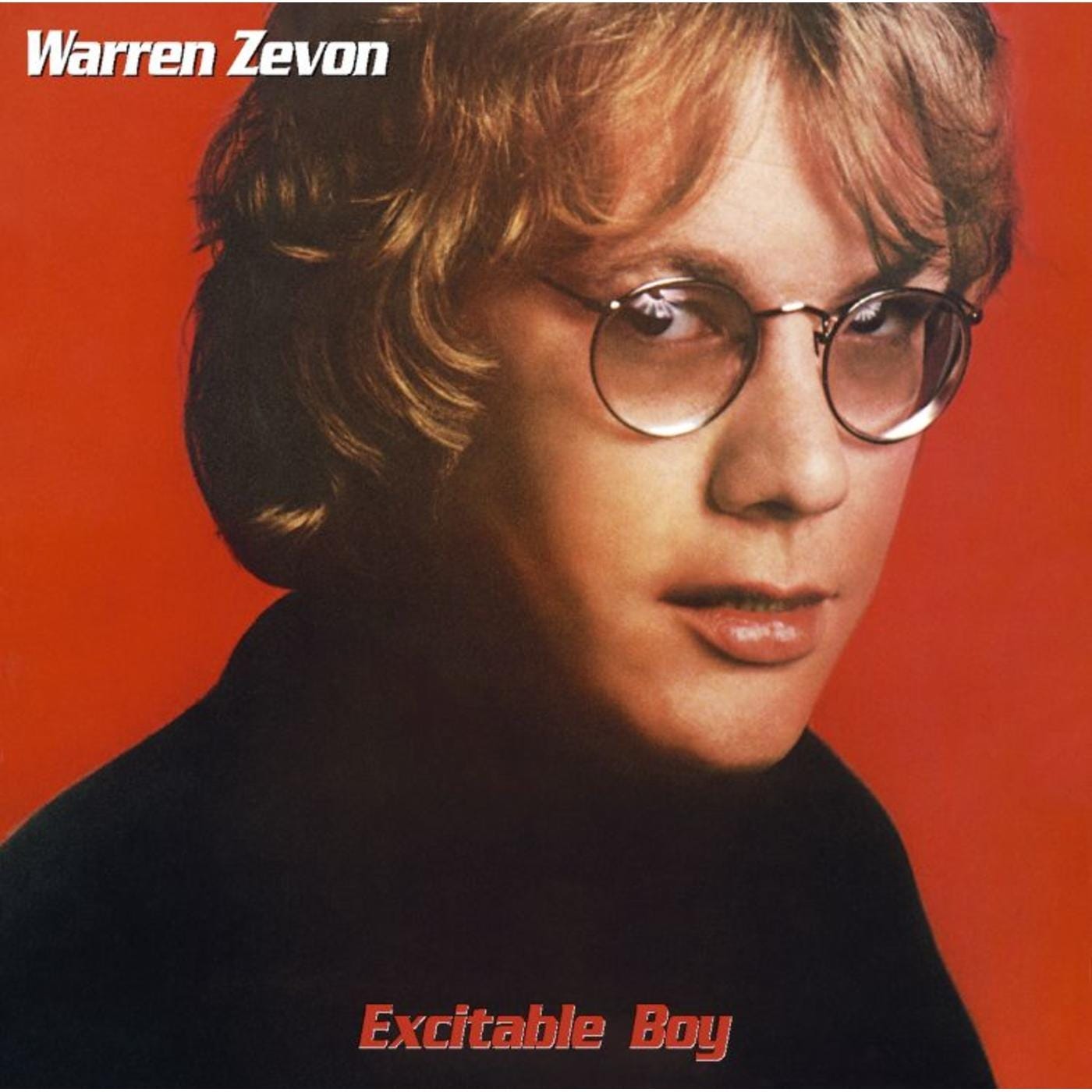
Two years later, in 1978, Zevon released his next album, Excitable Boy, which became both a critical and commercial success.
The album features some of Zevon’s best-known songs, including Johnny Strikes Up The Band, Roland The Headless Gunner, Lawyers, Guns, and Money, Accidentally Like a Martyr, and the title song.
However, it was Zevon’s Werewolves of London that became his biggest hit and a staple of FM radio at the time. Forty-Five years later, it’s still Zevon’s best-known song and a rock classic.
With its catchy piano hook and howling “Ow-Oohs” in the chorus, Werewolves of London is a pop song masterpiece. Like many of the songs on the album, Werewolves is also a great showcase for Zevon’s dry sense of humor and his off-kilter view of the world.
Play It All Night Long
After the success of Excitable Boy, Zevon’s life, which had always been fueled by drugs and alcohol, spiraled out of control — after all, Zevon really was the excitable boy.
His next album, Bad Luck Streak in Dancing School, (1980), sold well but critics felt it was uneven and a disappointment. Even so, Bad Luck remains one of my favorites and contains two great songs: Jeannie Needs a Shooter, and Play It All Night Long.
That same year, Zevon released a fantastic live album, Stand In the Fire, which perfectly captures his energetic and raucous live performances.
But drugs and alcohol, followed by frequent interventions and trips to rehab, continued to make up most of Zevon’s life, although it didn’t affect the quality of his on-stage performances.
One has to wonder how much of this was due to Zevon’s need to live up to his Excitable Boy image.
For example, in a fantastic 1982 MTV concert broadcast, Zevon is led on stage in handcuffs and later near the end of the show, collapses on-stage from total exhaustion after two hours of manic energy. It’s an incredible performance and a wonderful document of Zevon at the height of his powers.
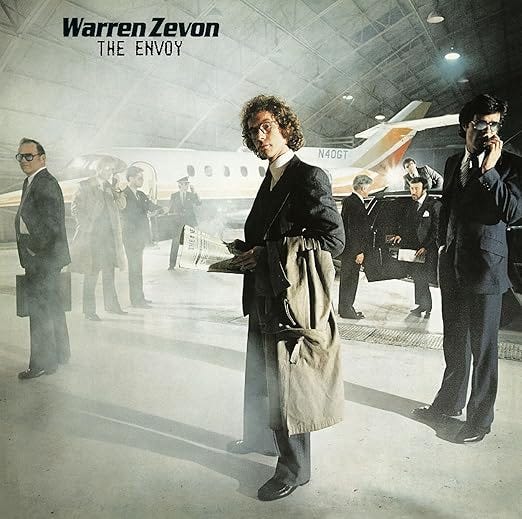
That same year, Zevon released his sixth album, The Envoy, (another personal favorite), to great reviews. Sadly, it didn’t sell. The album features many finely-crafted songs, including Ain’t That Pretty At All and Jesus Mentioned.
Looking For The Next Best Thing
Because of The Envoy’s poor sales, Zevon was dropped by Asylum Records the following year. Sadly, because of this, Zevon relapsed back into drug and alcohol abuse.
Things got so bad that Zevon voluntarily checked himself into a rehab clinic for an extended period of time.
Then, three years later in 1987, Zevon signed with Virgin Records and re-emerged on the music scene with his best album in years: Sentimental Hygiene.
Collaborating with the band R.E.M., who also provided backup support on the album, Sentimental Hygiene has a rawer, tougher sound than Zevon’s previous work and relies more on guitars than Zevon’s piano skills on almost all of the tracks.
The album features great songs like Boom Boom Mancini; The Factory; Even a Dog Can Shake Hands; and Leave my Monkey Alone. In addition, the ballad, Reconsider Me, is one of Zevon’s very best love songs.
Ain’t That Pretty At All
Unfortunately, Zevon couldn’t keep the momentum going. His next album, Transverse City, a synthesizer-heavy futuristic concept album released in 1989, bombed commercially and once again Zevon was dropped by his record label.
After another collaboration with R.E.M. on a one-off album called, Hindu Love Gods, Zevon eventually signed with Giant Records.
In the following years, Zevon released a series of albums that mostly only appealed to his loyal fans: the fine Mr. Bad Example, (1991), which featured two great songs: Searching For a Heart and Things To In Denver While You’re Dead; a live album, Learning to Flinch, (1993), that consisted only of Zevon on guitar and piano since he no longer had the resources to hire a full band; and Mutineer, (1995), which became Zevon’s worst-selling album of all time. Not Surprisingly, Zevon was dropped by his record label yet again.
Even so, Zevon continued to tour as a solo musician. After signing on with a new label, Artemis Records, Zevon fared better with his next two albums, Life Will Kill Ya, (2000), and My Ride’s Here, (2002). Both sold well and earned good reviews from music critics.
Unfortunately, this comeback didn’t last long. In 2002, Zevon was diagnosed with cancer and began drinking again after 17 years of sobriety.
His final album, The Wind, (2003), was recorded with the help of Tom Petty and Bruce Springsteen. It included two great songs: Dirty Life and Times and Disorder in the House, along with a moving rendition of Bob Dylan’s Knockin’ On Heaven’s Door. It’s also hard not to be moved by the last song on the album, the tender ballad, Keep Me In Your Heart.
Warren Zevon died shortly after the album’s release in September 2003.
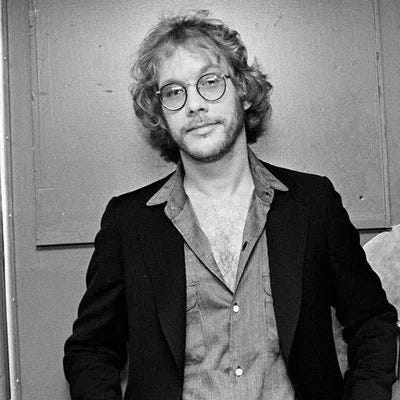
I’ll Sleep When I’m Dead
Now that over 20 years have passed since Warren Zevon’s untimely death, the time has come to reassess both his music and his career.
For example, why isn’t Zevon in the Rock and Roll Hall of Fame?
Perhaps it’s because many music critics and members of the rock community feel that Zevon never surpassed the brilliance of his early work due to his struggles with drugs and alcohol. According to critics like Geoffrey Himes, Zevon is “too talented to be forgotten, and too self-sabotaging to be lionized.”
Yet, what major rock star hasn’t struggled with both drugs and alcohol at some point during their career?
As James Campion argues in his recent book, Accidentally Like a Martyr, Zevon was able to successfully use the challenges he faced in overcoming drug and alcohol addiction as the raw material for many of his later songs and albums.
Unlike other music critics, Campion believes that Warren Zevon deserves more recognition for his contributions to rock music, both as a singer and a songwriter.
I agree.
Another great piece Jim. I too am a huge fan of Zevons. I also believe he should be in the Hall of Fame. Have you read the book by his ex-wife? He wanted her to write it and it is an amazing story and she lays it all out there, not in an angry, bitter way, but in a really good way that someone who was close to him can do. Her objectivity I find pretty amazing. One story at the beginning, Warren asked his son (who also became his producer) to get rid of all of his porn when after he passed. As I recall, most of it consists of VHS tapes. What his son finds is that the tapes are all home recorded of his Dad with all sorts of different women. Yikes! I can't imagine finding a bunch of porn that features either of my parents. That's the thing nightmares and therapy sessions are made of...
There's another story I heard some where that he was hanging out a lot with Howard Kaylan of The Turtles. They were good friends and doing a lot of drugs together (big surprise). Zevon was always broke and The Turtles were still cranking out hits so Howard and Mark (Volman) decided to put one of Warren's songs as the B side to one of their singles, I can't remember which one, but it was a hit and the revenue that Zevon made off of the sales of the single, even though his song was not the hit, kept him going financially for quite a while.
Once again, a great piece. Thanks Jim.
Excellent article.