
10 Great But Obscure Rock Soundtracks
This is music worth listening to, even if you haven't seen the movies.

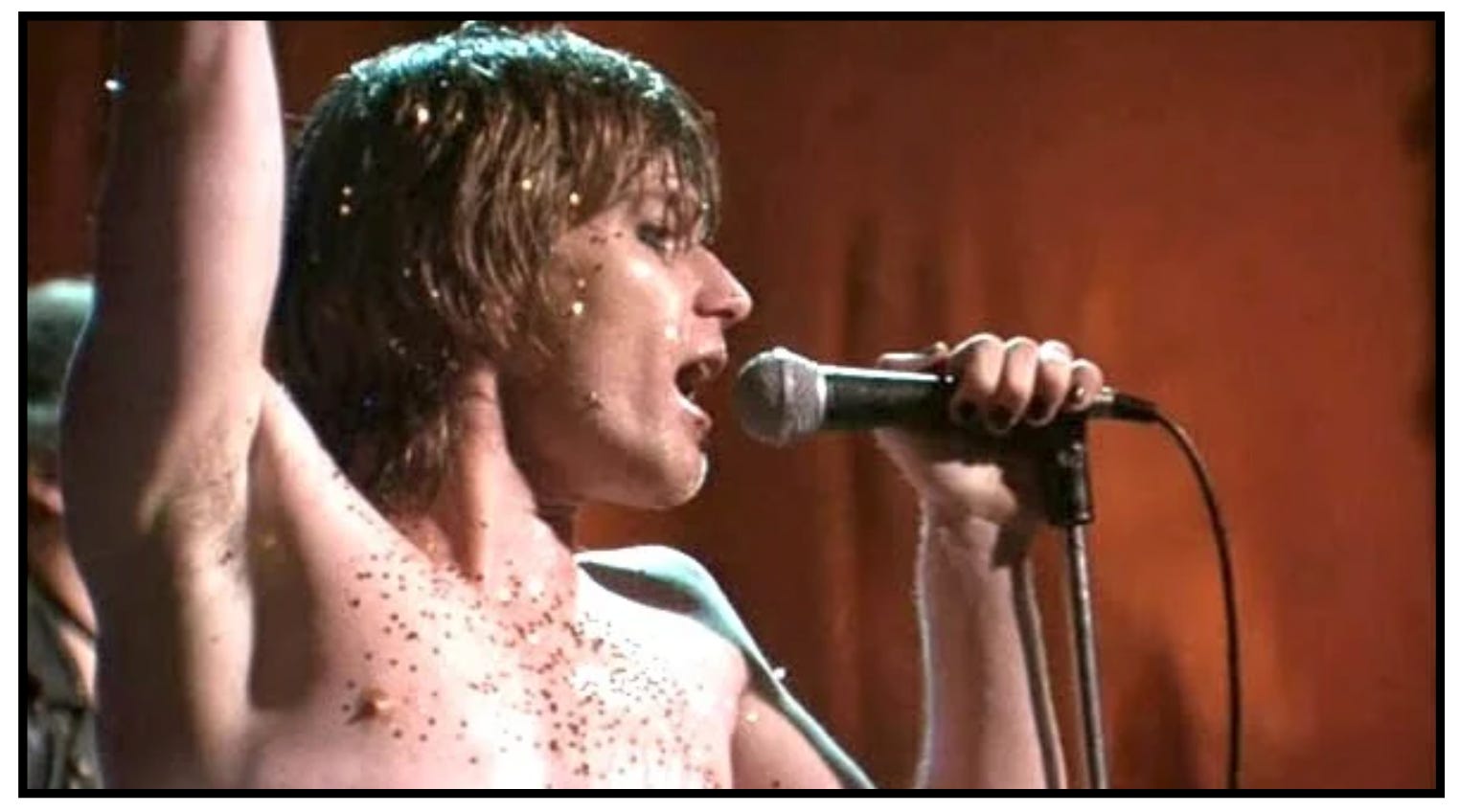
Every “best rock soundtrack” list reaches for the same titles. A Hard Day’s Night. Purple Rain. Woodstock. They’re all great, all deserving, and all so familiar that naming them barely tells you anything.
This isn’t that list.
I want to talk about the other tier of rock soundtracks, the ones that almost never show up. Some come from films you’ve heard of but never actually watched. Others come from movies where the soundtrack outsold and outlasted the film it was made for. And a few come from outright flops that happened to have great music few people know about.
These are the records I want to share with you.
If you recognize more than half, you’re my kind of movie music fan. If you don’t, you’ve got some very good listening ahead.
1. Breaking Glass (1980)
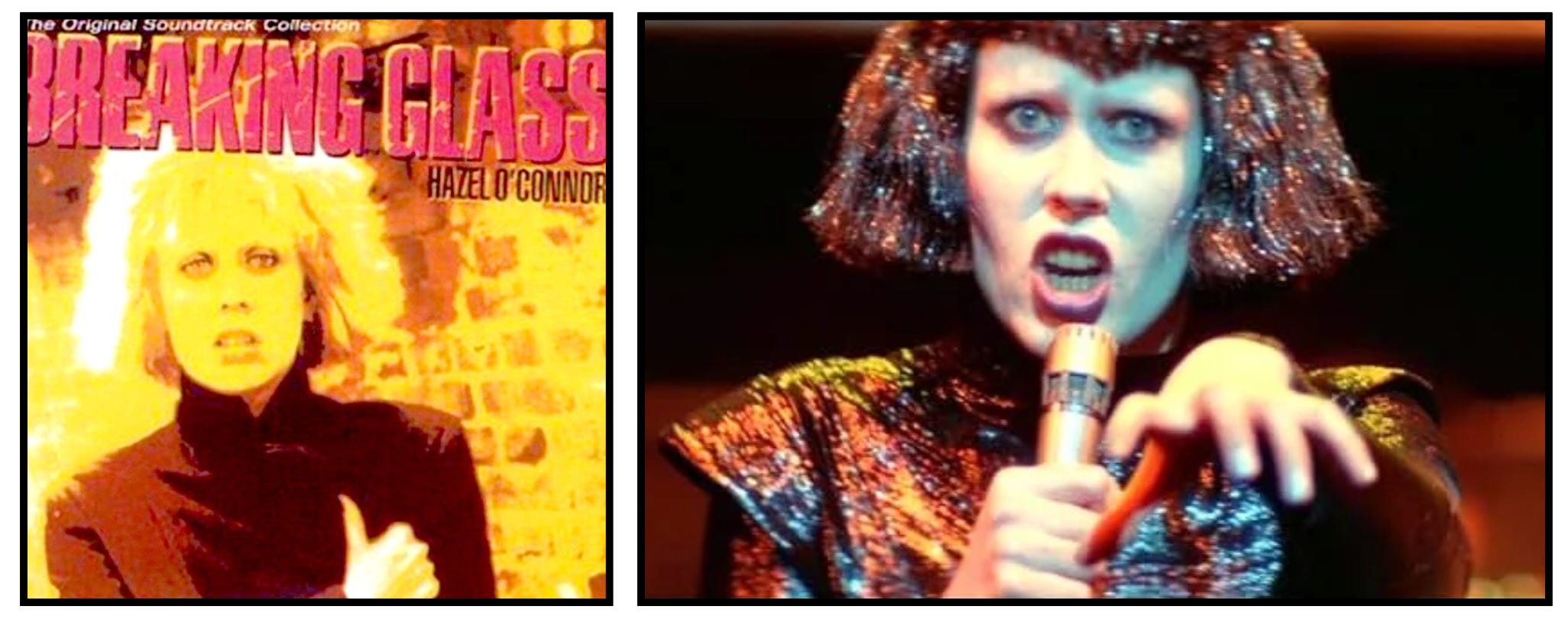
The Story: Breaking Glass (the title comes from a David Bowie song) is a 1980 British musical drama that brilliantly captures the energy of the London punk and new wave scene at that time.
The story follows Kate (Hazel O’Connor), a rebellious and political singer-songwriter who rises to fame after being discovered by a wannabe band manager named Danny (Phil Daniels). As Kate achieves success, she becomes more and more depressed by the exploitative nature of the music industry and the compromises demanded by the executives at her record label. Eventually, she falls apart. Can Danny save Kate from herself?
Why the Soundtrack Rocks: Hazel O’Connor wrote and performed every song herself, so the soundtrack is also her debut album. The songs are a fascinating mix of punk and new wave that have a unique sound thanks to O’Connor’s powerful vocals and the musical guidance of producer Tony Visconti (best known for his work with David Bowie and T. Rex). Visconti created highly stylized arrangements that supported O'Connor's voice with layers of synthesizers, pounding drums, and some fantastic saxophone solos performed by Wesley Magoogan.
Key Tracks: “Big Brother,” “Blackman,” “Eighth Day,” (which reached #5 on the UK charts) “Will You,” and “Writing on the Wall.”
2. Cruising (1980)
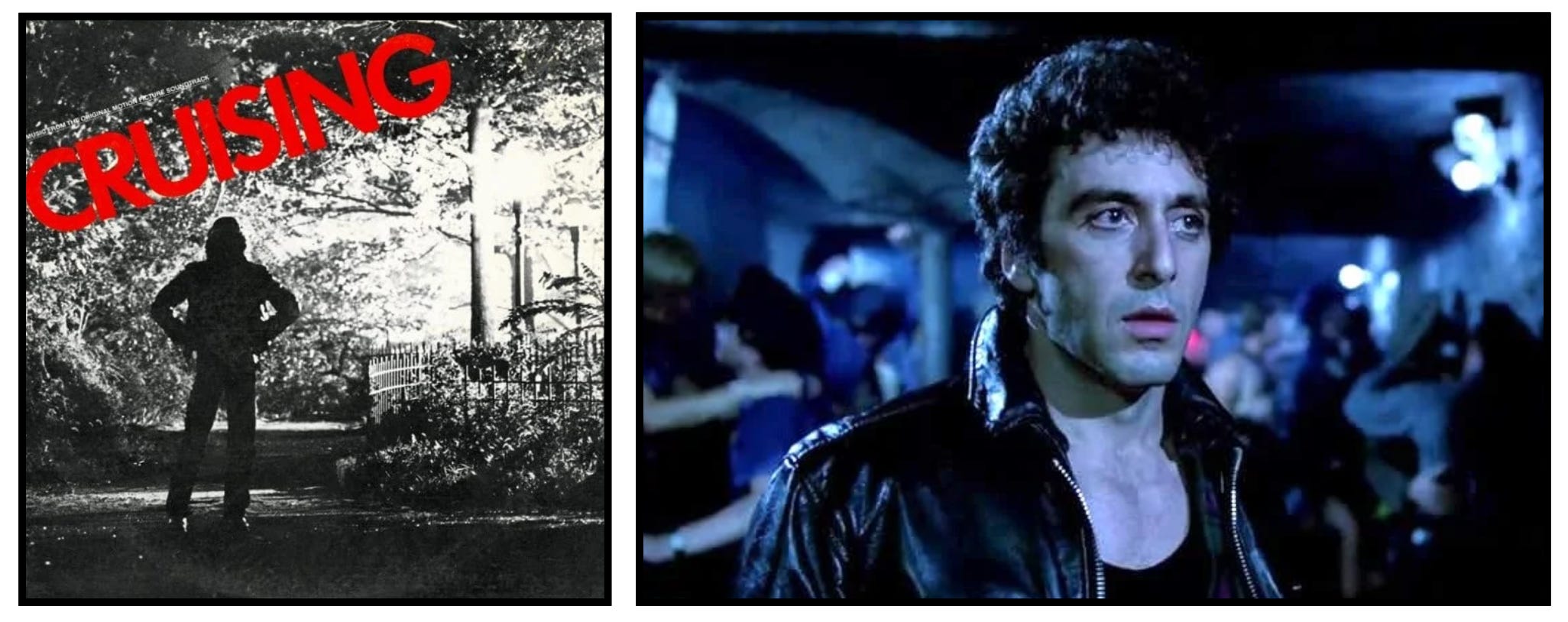
The Story: In this controversial thriller, Al Pacino plays Steve Burns, a young New York City police officer who goes undercover in the underground S&M leather bars in order to catch a serial killer targeting gay men. However, as he immerses himself deeper into the subculture, the line between his real identity and his undercover persona begins to blur.
Why the Soundtrack Rocks: Instead of using the upbeat disco music heard in the real S&M clubs at the time, director William Friedkin decided to go in a different direction. He chose songs that were a mix of hardcore punk, glam rock, and funk. In the movie, these songs were augmented by Jack Nitzsche’s instrumental score. However, for the original soundtrack album, only the songs were included (a recent three record on colored vinyl included more music from the score, but it’s now out of print).
Key Tracks: “In The Heat of the Moment,” by Willy DeVille; “Lion’s Share” by The Germs; “Lump” by Mutiny; “Spy Boy,” by John Hiatt; and “Shakedown” by Rough Trade.
3. Party Girl (1995)
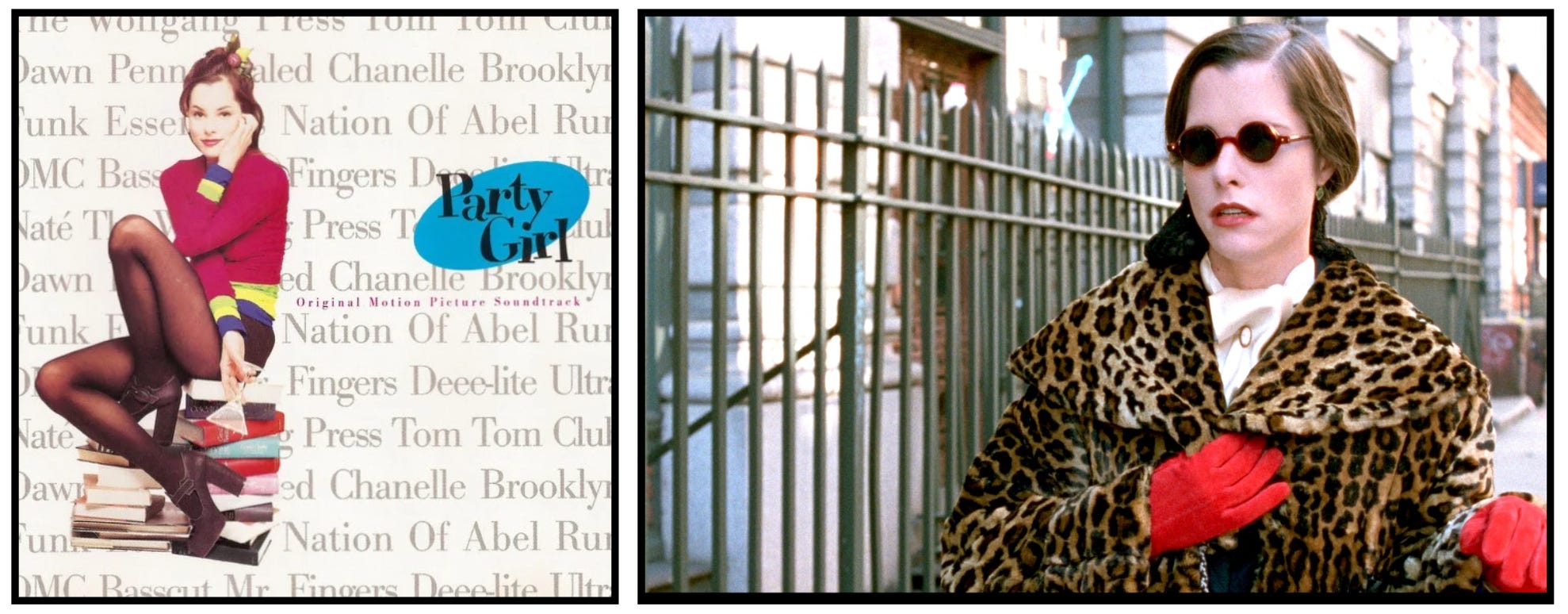
The Story: Party Girl follows Mary (Parker Posey), a fashionable, free-spirited Manhattan club girl who gets arrested for throwing an illegal underground rave in her apartment. To pay off her bail, her straight-laced godmother, Judy, lends Mary the money and gives her a job as a clerk at the library she manages. Initially, Mary hates the job until she finds herself unexpectedly mastering the Dewey Decimal System. Soon, Mary comes to love the library and its patrons. As she tries to balance her wild nightlife with her day job, Mary faces a series of personal crises that force her to choose between her chaotic lifestyle and the stability of a new career as a professional librarian.
Why the Soundtrack Rocks: Here's what makes this one special: it isn't a movie's polite imitation of club music. It's the real thing. Director Daisy von Scherler Mayer pulled these tracks straight from her own nights out dancing at clubs, and it shows. When Mr. Fingers shows up on the track list, that's Larry Heard, the Chicago-based musician and producer who is one of the founding architects of deep house. Dawn Penn's "You Don't Love Me" was a genuine crossover hit. If you play the Party Girl soundtrack album from start to finish, you've basically got a snapshot of what great mid-90s club music actually sounded like. Party Girl was a small indie film that didn’t find its audience until it was released on home video, but the soundtrack stands on its own as one of the better house compilations of the decade.
Key Tracks: “Beautiful” by The Tom Tom Club; “Big Apple Boogaloo” by The Brooklyn Funk Essentials; “I’ll Keep Coming Back” by Chanelle; “Never Take Your Place” by Mr. Fingers; “You Don’t Love Me” by Dawn Penn; and “Party Girl” by Ultra Naté.
4. Repo Man (1984)
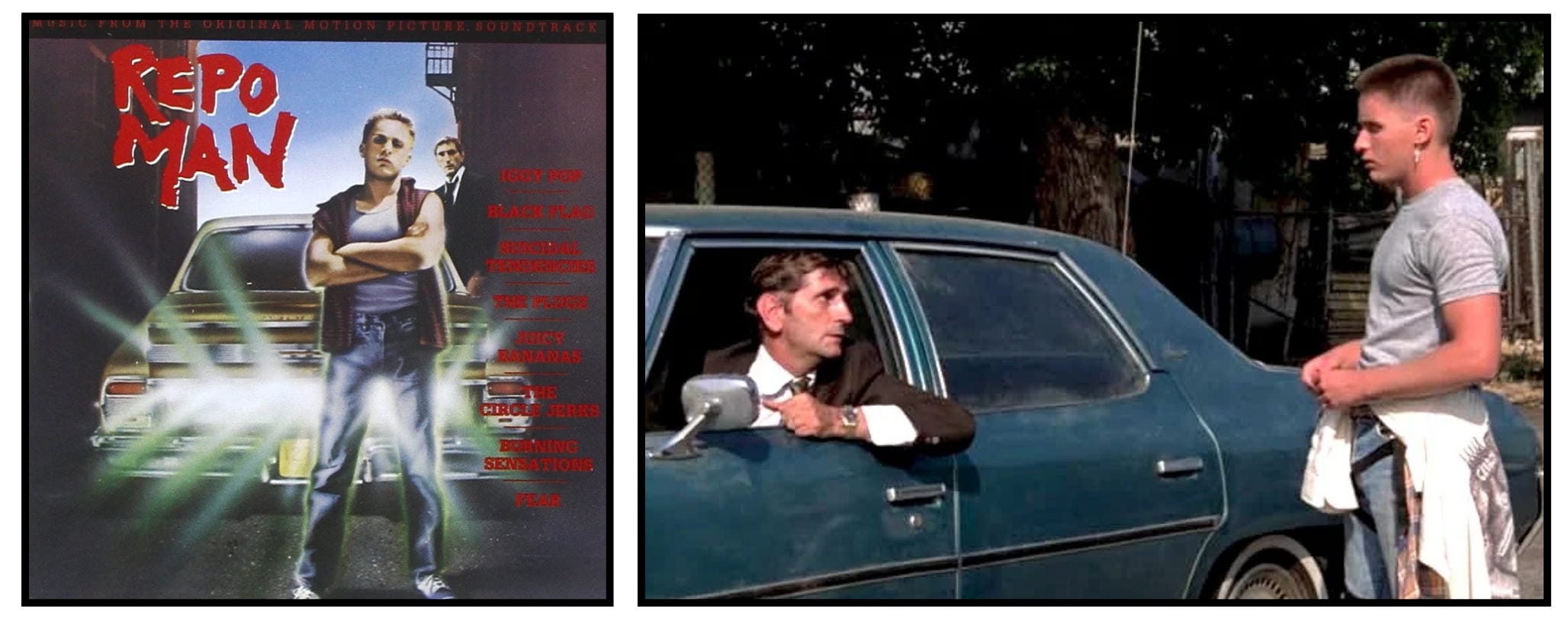
The Story: Directed by Alex Cox, Repo Man is about a punk teenager in Los Angeles named Otto (Emilio Estevez), who stumbles into the bizarre world of car repossessions in Los Angeles. He and his grizzled mentor, Bud (Harry Dean Stanton), get caught up in a frantic, surreal chase for a mysterious, radioactive Chevy Malibu.
Why the Soundtrack Rocks: This soundtrack album perfectly mirrors the film's anti-establishment energy and is a snapshot of the early '80s Los Angeles hardcore punk scene. Iggy Pop wrote and recorded the title track after seeing a rough cut of the film. Black Flag, The Circle Jerks, Fear, Suicidal Tendencies, and The Plugz all contributed tracks, making it one of the best hardcore soundtracks ever created.
Key Tracks: “Coup d’Etat” by The Circle Jerks; “Institutionalized” by Suicidal Tendencies; “Let’s Have a War” by Fear; “Pablo Picasso” by Burning Sensations; “Repo Man” by Iggy Pop; and “TV Party” by Black Flag.
5. Something Wild (1986)
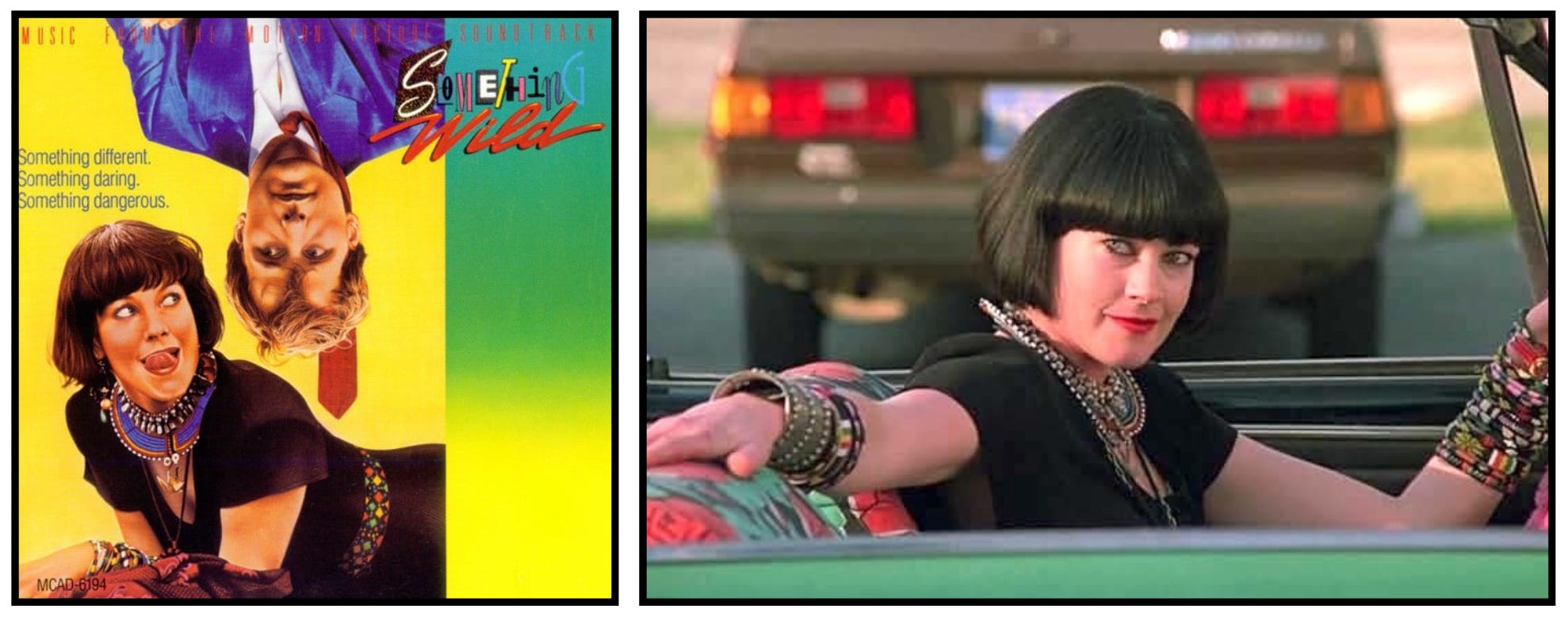
The Story: Jonathan Demme’s 1986 comedy-thriller follows Charlie Driggs (Jeff Daniels), a straight-laced New York businessman who gets unexpectedly hijacked by a free-spirited woman named Lulu (Melanie Griffith). She coaxes Charlie out of his comfort zone and takes him on a wild, impromptu road trip to her high school reunion in Pennsylvania. Soon, Charlie finds himself letting loose and falling for her. However, things change when Lulu's ex-con husband, Ray Sinclair (Ray Liotta), also shows up at the reunion.
Why the Soundtrack Rocks: Jonathan Demme was one of the great music lovers in American film. This is the man who made Stop Making Sense, and that obsessiveness shows up in every needle drop here. By mixing reggae, salsa, and new wave artists, Demme’s musical choices not only reflect his own diverse taste in music, they also reflect the attitudes of the characters in the film. Listen for the Fine Young Cannibals version of "Ever Fall in Love," which is actually a cover of a Buzzcocks punk classic. And watch for one of my favorite indie bands, The Feelies, playing the band onstage at the high school reunion. Equally cool is Demme closing the film with Sister Carol doing her own version of the classic hit, “Wild Thing.”
Key Tracks: “Loco De Amor (Crazy For Love)” by David Byrne with Celia Cruz; “Ever Fall In Love,” by The Fine Young Cannibals; “High Life” by Sonny Okosun; “Zero Zero Seven Charlie” by UB40; “Not My Slave” by Oingo Boingo; and “Wild Thing” by Sister Carol.
6. SubUrbia (1996)
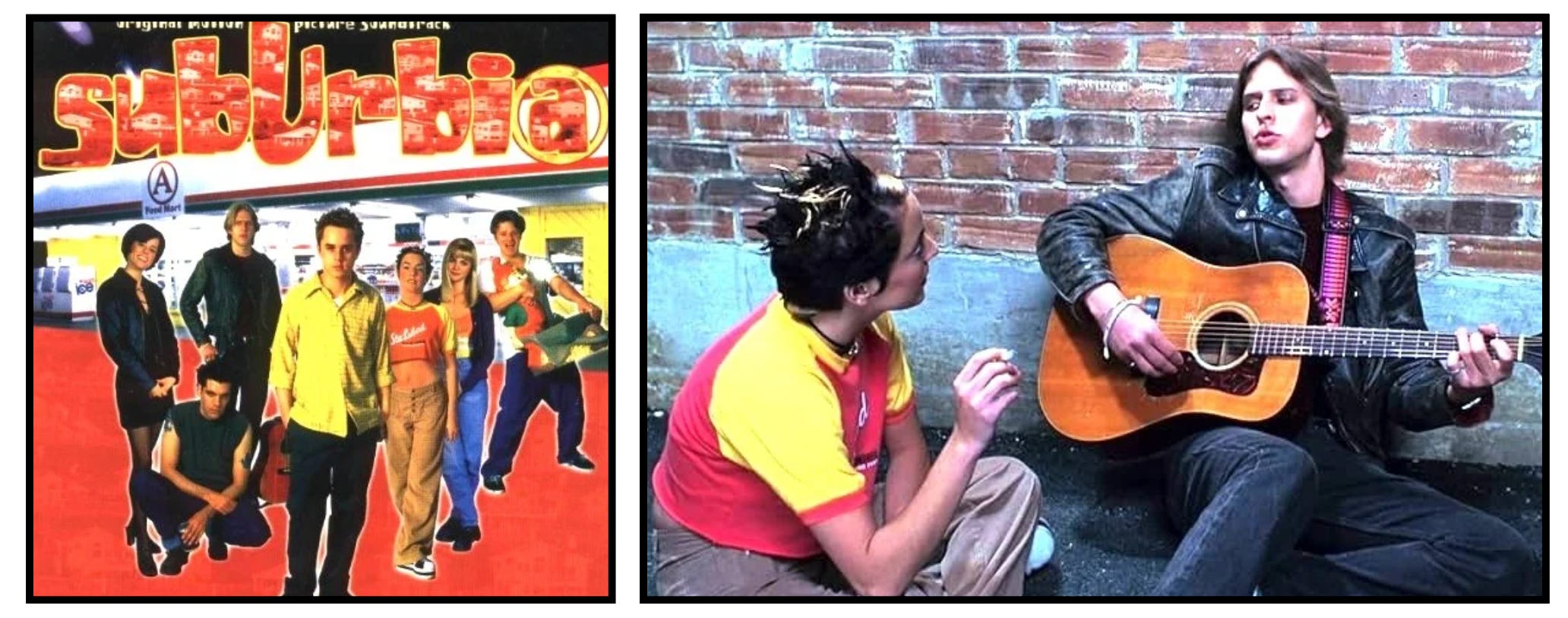
The Story: Richard Linklater’s adaptation of Eric Bogosian’s play follows a group of aimless, twenty-something slackers over the course of a single night as they loiter outside a Texas convenience store. Their stagnant lives are suddenly upended when their former high school classmate, Pony (Jayce Bartok), returns for a visit. The last time they saw Pony he was singing folk songs in high school. However, since leaving their hometown, Pony has achieved success as the lead singer of the rock band, Dreamgirl. This encounter forces the group to confront their own frustrations, crushed dreams, and anxieties about the future.
Why the Soundtrack Rocks: Linklater handed his soundtrack to musicians who actually lived the sound he wanted for this film. Sonic Youth contributed three songs to the soundtrack. The band’s co-founder, Thurston Moore, also composed the instrumental score. Getting Moore to score SubUrbia was a great idea because his music gives the movie its restless, frayed-nerve texture. In addition to Sonic Youth’s contributions, you also get a who’s who of mid-90s alternative at its peak: Beck, The Flaming Lips, and Elastica. One of my favorite tracks on the soundtrack is “Unheard Music,” a collaboration between Elastica and Pavement’s Stephen Malkmus that exists nowhere else. Thanks to all of these musicians, the SubUrbia soundtrack perfectly captures the sound of 1996 indie rock, which is exactly the aimless, restless mood Linklater was after for his film.
Key Tracks: “Bee-Bee’s Song” by Sonic Youth; “Feather in Your Cap” by Beck; “Hot Dog” by The Flaming Lips; “Psychic Hearts” by Thurston Moore; and “Unheard Music” by Elastica and Stephen Malkmus.
7. Touch (1997)
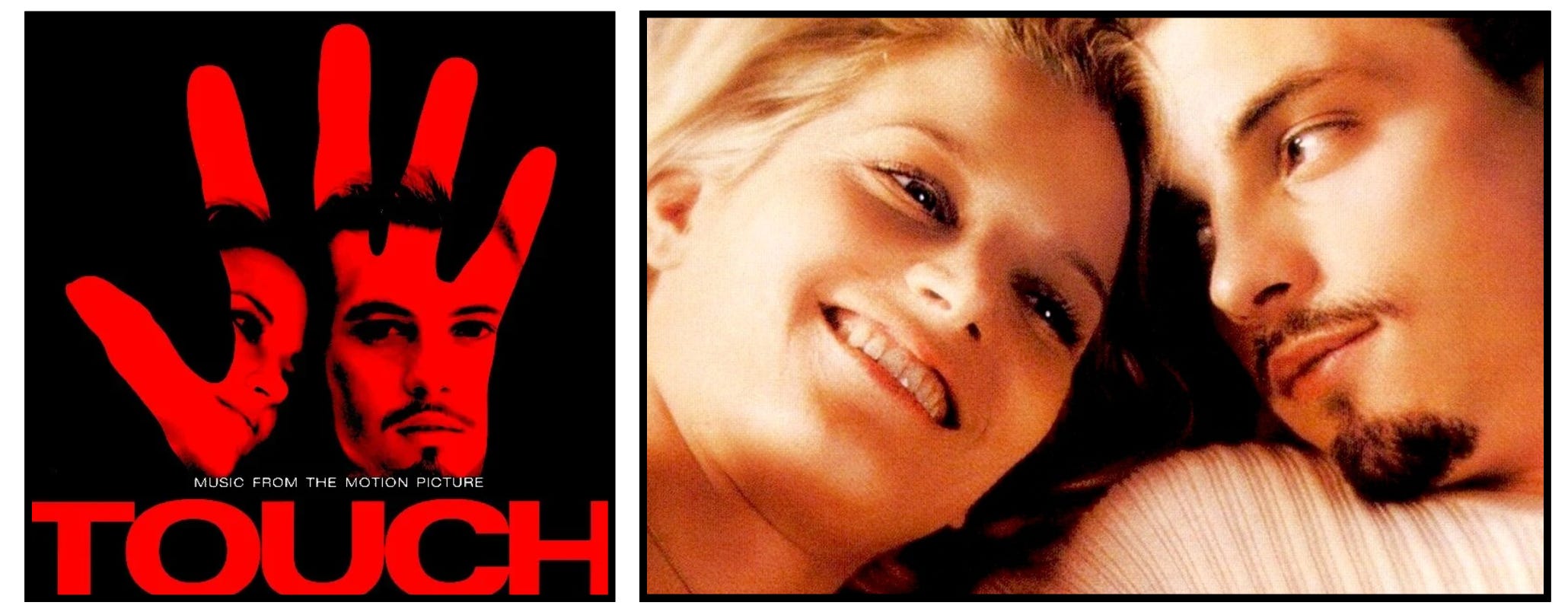
The Story: At the beginning of this satirical comedy-drama, Juvenal (Skeet Ulrich) is an ex-monk working at a rehab clinic who bears real stigmata and can heal people with his touch. When Bill Hill (Christopher Walken), a former evangelist turned used-car salesman, learns about Juvenal’s healing powers, he sends his friend Lynn Faulkner (Bridget Fonda) to infiltrate the clinic and help him recruit Juvenal for a lucrative promotional scheme. Soon, things spin out of control as Hill and the mainstream media attempt to exploit Juvenal for their own purposes.
Why the Soundtrack Rocks: Instead of putting together a standard compilation of 90s alternative rock tracks for his film, director Paul Schrader commissioned Dave Grohl to compose the entire score. Interestingly, Grohl played every instrument during the recording of the music. Released between The Foo Fighters' self-titled debut and their breakout sophomore album The Colour and the Shape, scoring Touch allowed Grohl to become a film composer before The Foo Fighters became famous worldwide. In addition to Grohl’s instrumental tracks, there are three vocal songs on the soundtrack. The title track features a vocal duet between Grohl and Louise Post; “This Loving Thing” features vocals by punk rocker, John Doe of the band, X; and “How Do you Do?” features vocals by Grohl himself.
Key Tracks: “Bill Hill Theme,” “How Do You Do,” “Making Popcorn,” “Richie Baker’s Miracle,” “Saints In Love,” “This Loving Thing,” and “Touch” (Main title).
8. Until the End of the World (1991)
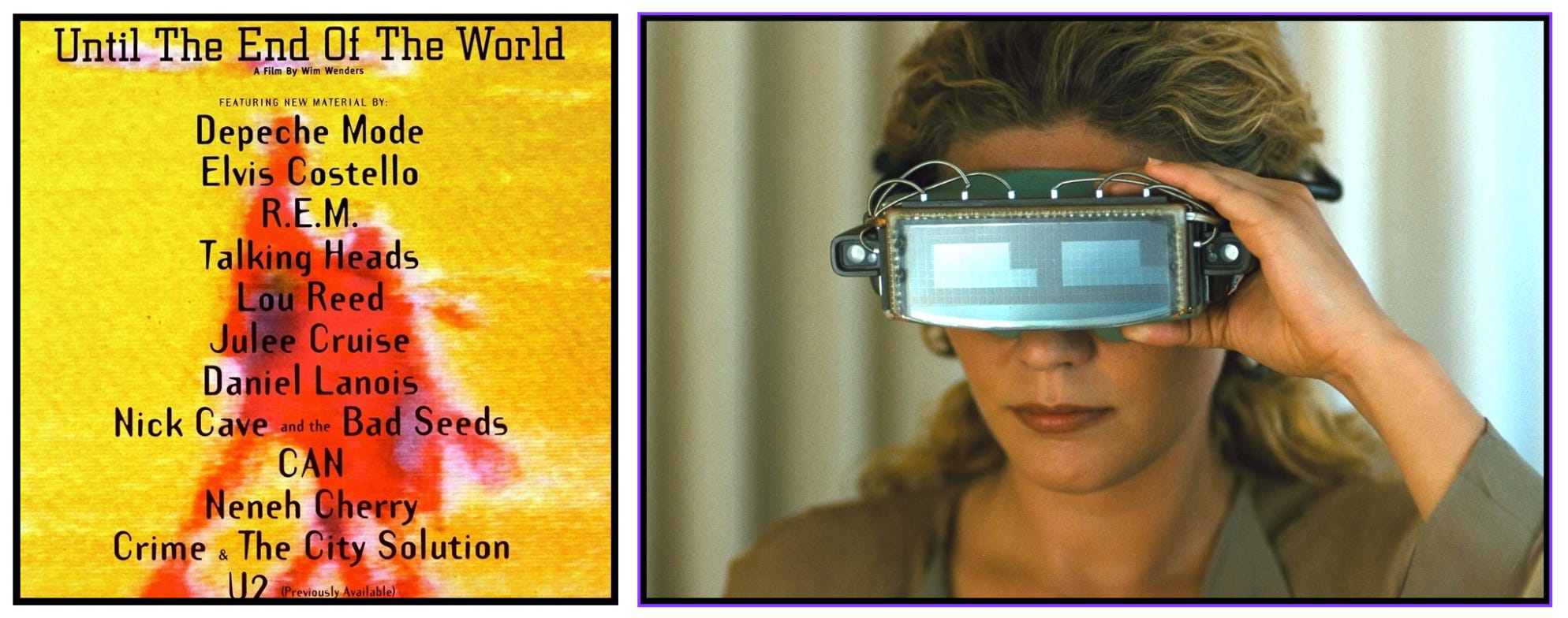
The Story: Wim Wenders’ global epic Until the End of the World is a sprawling, sci-fi road movie that takes place in 1999. The story follows Claire Tourneur (Solveig Dommartin) as she travels across four continents chasing a mysterious man using the alias Trevor McPhee (William Hurt). Trevor is secretly filming images and interviews with members of his family using a revolutionary new camera developed by his scientist father (Max Von Sydow). Eventually, Claire and Trevor arrive at an isolated outpost in the Australian Outback where Trevor’s father has built a massive lab inside a cave. There, the camera's true purpose is revealed with unexpected results.
Why the Soundtrack Rocks: Wenders asked his favorite musicians to record what they thought their music would sound like in 1999. R.E.M., U2, Talking Heads, Nick Cave, Patti Smith, Can, Lou Reed, Peter Gabriel, Depeche Mode and others all contributed original songs. The result is one of the most phenomenal rock soundtracks ever created for a movie few people saw in theaters.
Key Tracks: “Fretless” by R.E.M.; “Sax and Violins” by The Talking Heads; “Until the End of the World” by U2; and “What’s Good” by Lou Reed.
9. Velvet Goldmine (1998)
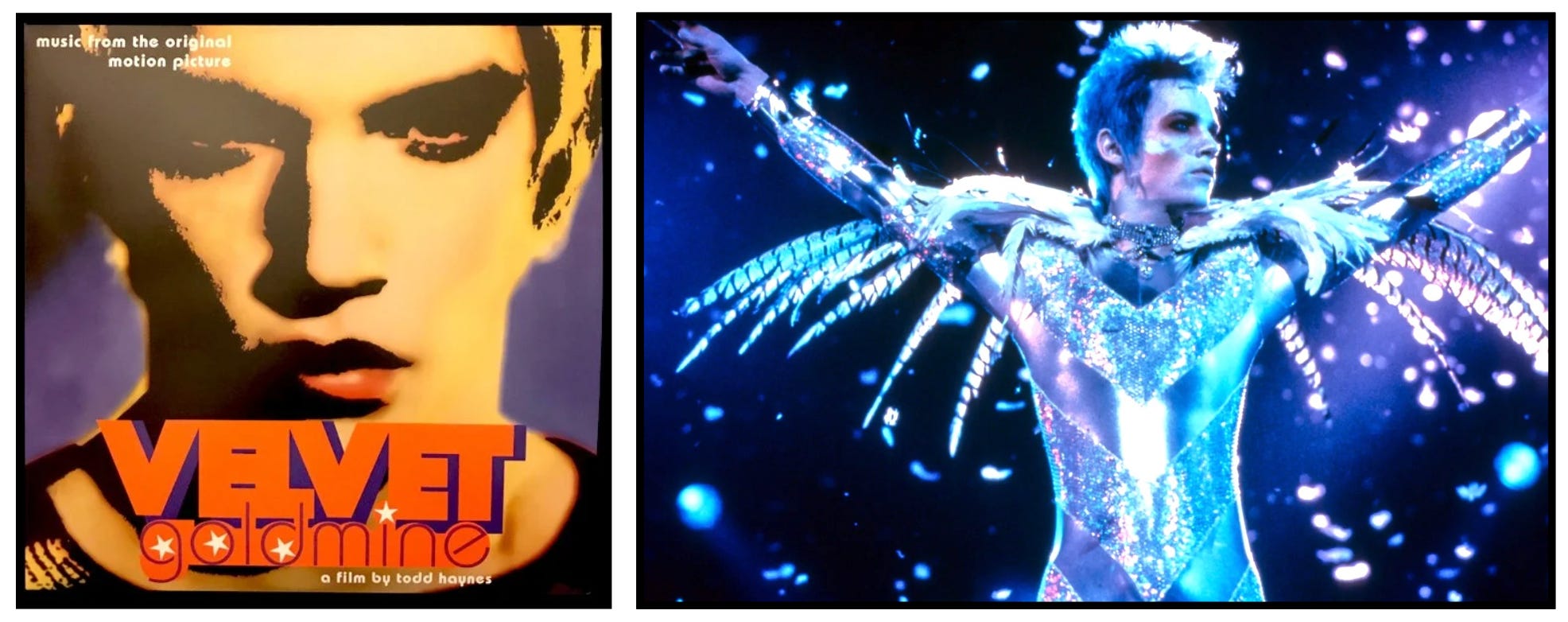
The Story: Todd Haynes’s fictionalized look at Britain’s glam rock scene in the early 1970s begins ten years later as British journalist Arthur Stuart (Christian Bale) investigates the whereabouts and mysterious career-ending assassination of Brian Slade (Jonathan Rhys Meyers), a David Bowie-like superstar who faked his own death on-stage a decade earlier. Through Arthur’s interviews with those who were part of Slade’s entourage, Arthur learns the truth about Slade’s meteoric rise to fame, his intense relationship with the American punk-rocker, Curt Wild (Ewan McGregor), and how Slade eventually reinvented himself in the 1980s.
Why the Soundtrack Rocks: Haynes assembled one of the great cross-generational supergroups in film history to recreate the sound of early-70s glam. Period music by Roxy Music, T. Rex, and Brian Eno are used along with new recordings of classic tracks by contemporary musicians, including two fictional bands created for the movie: Venus in Furs and The Wylde Ratttz. The Venus in Furs lineup included Thom Yorke and Jonny Greenwood of Radiohead, Bernard Butler of Suede, and Andy Mackay of Roxy Music. The Wylde Ratttz featured Ron Asheton of The Stooges, Thurston Moore of Sonic Youth, Mark Arm of Mudhoney, and Mike Watt of The Minutemen. The film’s executive producer, Michael Stipe of R.E.M., helped bring many of these acts into the project.
Key Tracks: “20th Century Boy” by Placebo; “2HB” by The Venus in Furs; “Hot One” by Shudder To Think; “TV Eye” by Wylde Ratttz; “We Are The Boys” by Pulp.
10. Zabriskie Point (1970)
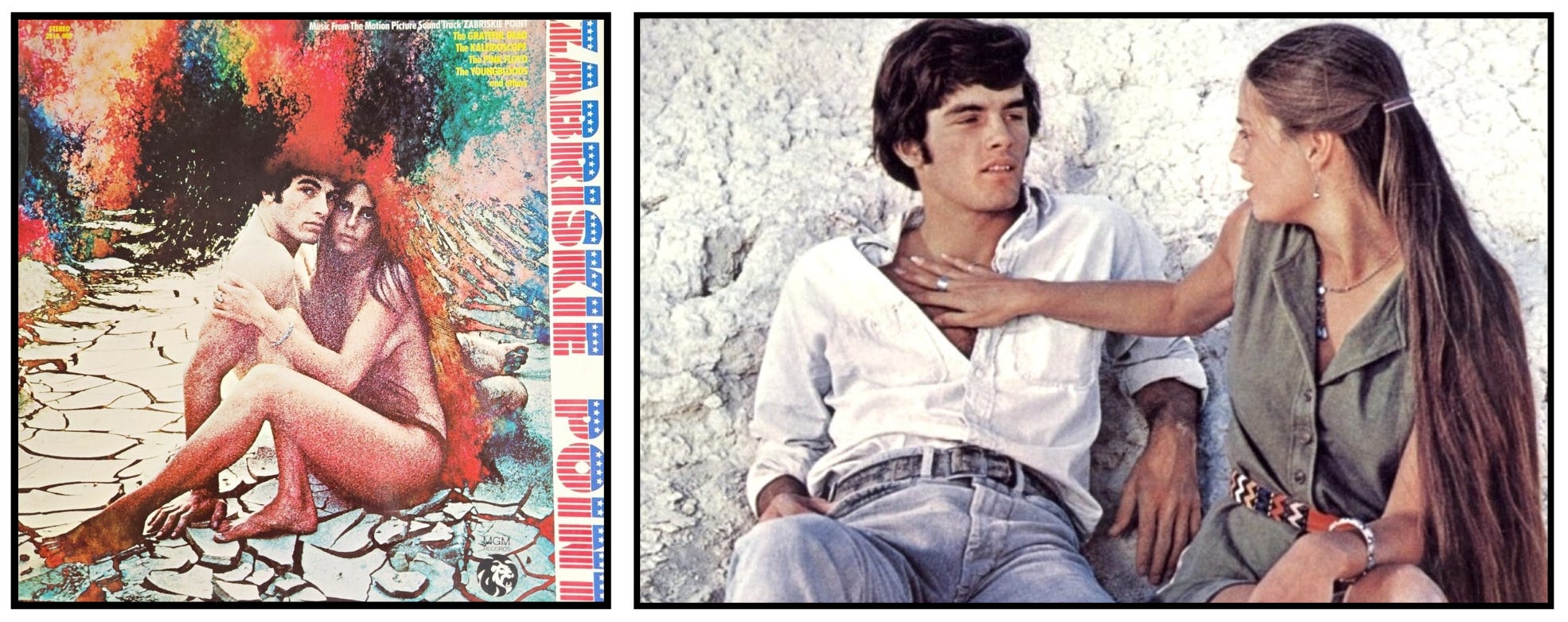
The Story: Michelangelo Antonioni’s 1970 counterculture drama is a portrait of late-1960s America, capturing a nation fractured by political unrest, consumerism, and the generation gap between the young and old. The film follows Mark (Mark Frechette), a disillusioned college student on the run after being accused of killing a police officer during a campus protest, and Daria (Daria Halprin), a free-spirited secretary driving through the desert on her way to a business meeting with her boss. The two strangers cross paths at Death Valley's Zabriskie Point, where they share a brief moment together before parting ways. The film ends with one of the most famous explosions in movie history.
Why the Soundtrack Rocks: Pink Floyd, The Grateful Dead, The Kaleidoscope, and John Fahey all contributed new music for the film. Pink Floyd’s contributions are especially notable because Antonioni commissioned the band to compose and record original music for the movie. Unfortunately, he didn’t like a lot of it, so the music was never included in the final cut. Interestingly, one these discarded tracks, “The Violent Sequence,” a soft piano piece Antonioni rejected for being “too sad,” was later reworked into “Us and Them” on The Dark Side of the Moon.
But the best use of Pink Floyd’s music on the soundtrack is “Come In Number 51, Your Time Is Up.” A re-recording of “Careful with That Axe, Eugene,” the track accompanies the movie’s slow-motion explosion of a desert mansion on top of a mountain, repeatedly shown from multiple angles, as floating debris made up of household goods fills the screen.
Key Tracks: “Brother Mary” by The Kaleidoscope; “Come in Number 51, Your Time Is Up” and “Heart Beat, Pig Meat” by Pink Floyd; “Dark Star” by The Grateful Dead; “Love Scene” by Jerry Garcia; and “Sugar Babe” by The Youngbloods.
Bonus Selection: Mike’s Murder (1984)
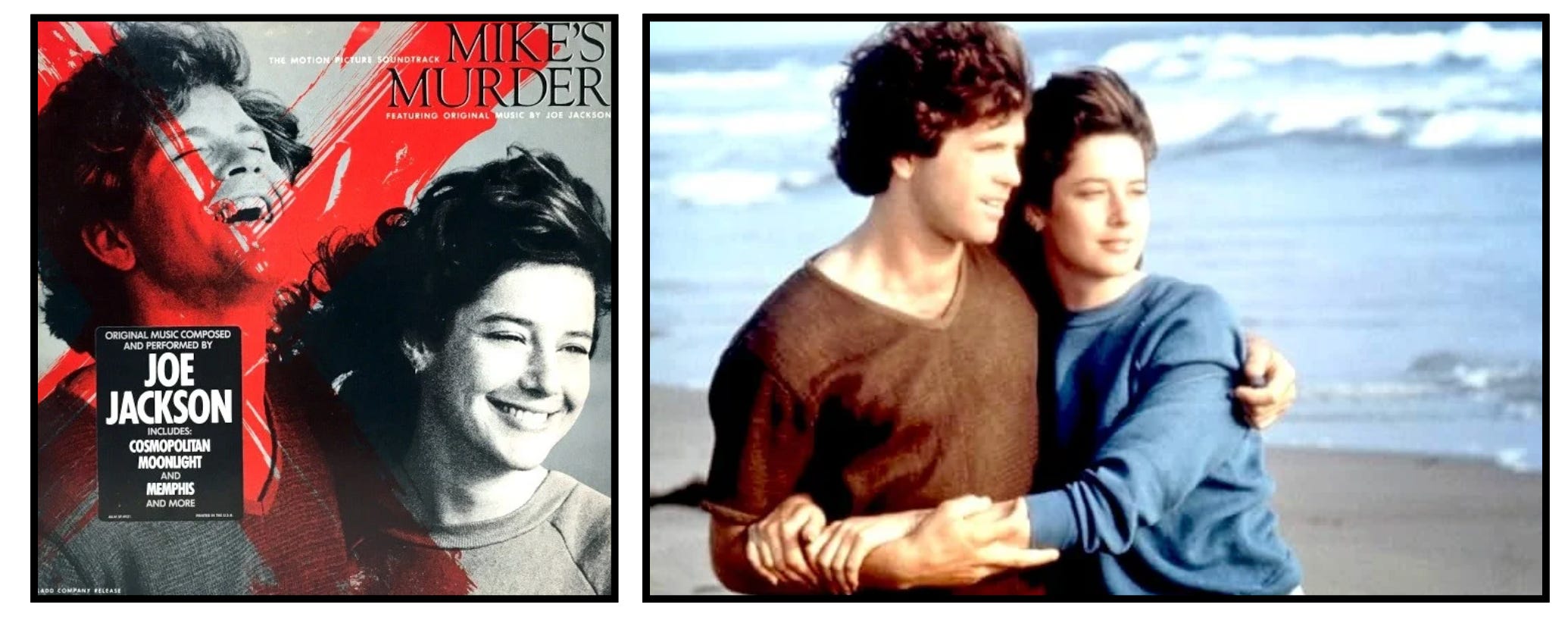
I couldn’t end this list without discussing one more film soundtrack. I’m a huge Joe Jackson fan and his score for Mike’s Murder, which the studio tossed aside, is one of my all-time favorites.
The Story: In this film, which was written and directed by James Bridges, Debra Winger plays Betty, a Los Angeles bank teller drawn into a casual romance with Mike (Mark Keyloun), a charming tennis pro and small-time drug dealer. When Mike is murdered, Betty’s grief and curiosity pull her into the seedier corners of the LA cocaine business. The film was reshot and re-edited multiple times before its release, and the version that finally hit theaters in 1984 bore little resemblance to Bridges’ original cut.
Why the Soundtrack Rocks: Joe Jackson composed an ambitious score featuring both vocal songs and instrumentals that blend new wave and jazz fusion together in order to create a unique sound for the film. However, when test audiences responded poorly to the movie during sneak previews, the studio decided to replace Jackson’s music with a more conventional orchestral score by John Barry. Thankfully, Jackson released his version of the soundtrack anyway, which, as I noted above, is one of my all-time favorite albums.
Key Tracks: “1-2-3 Go (This Town’s a Fairground),” “Cosmopolitan,” “Laundromat Monday,” “Memphis,” “Moonlight,” and “Zemeo.”
Final Thoughts
Classic rock soundtracks deserve their legendary status, but the lesser-known titles on this list are some of my personal favorites I play most often.
Which of these titles stand out to you? And what obscure rock soundtracks did I leave out that absolutely belong here?
Let me know in the comments below.
If you enjoyed this article, you might like these other posts too…


If I may what about Stewart Copland’s Rumble Fish soundtrack?
Boogie Nights, The Saint, Devil With a Blue Dress, Pulp Fiction