
The Commitments: Soul With an Irish Accent
Why Alan Parker's film still matters 35 years later

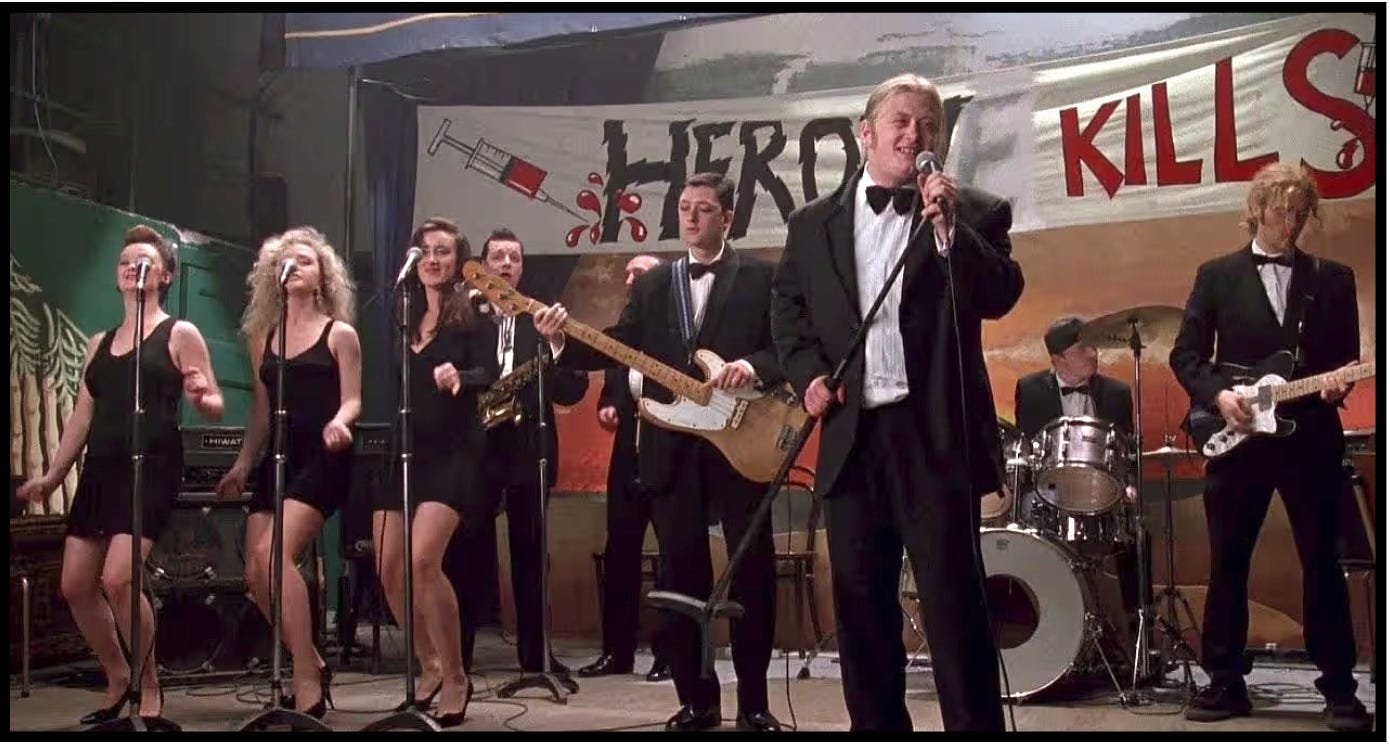
Alan Parker’s best films have always used music as an integral part of his storytelling. Whether it’s the kids attending a high school for performing arts in late 1970s New York City in Fame or a poor girl who rose to become one of Argentina’s most powerful political figures in the musical Evita, Parker instinctively knows how to pair striking visuals to the melodies heard on the screen.
And while a movie like Pink Floyd: The Wall is quite dark and depressing as hell, Parker’s adaptation of Irish writer Roddy Doyle’s novel, The Commitments, is just the opposite: it’s a lovable comedy-drama about working-class white Irish kids who decide to form a band that only performs classic soul music.
As I rewatched the movie this past weekend, it suddenly dawned on me that The Commitments was first released in theaters 35 years ago. Even so, the film still feels fresh, vibrant, and alive with its love for classic soul music. It’s also still very funny.
The Hardest Working Band in Ireland
(Warning: Spoilers Ahead)
Set in the working-class community of Northside, Dublin, The Commitments begins with a monologue by would-be entrepreneur, Jimmy Rabbitte (Robert Arkins), as he imagines himself being interviewed by the BBC about the beginnings of his now-successful band. But in reality, Jimmy is just an obsessive music fan and small-time hustler who sells taped-off-TV videotapes of the band Hothouse Flowers, but he’s also fed up with the synth-pop and folk bands that dominate the music scene of Dublin and believes it’s time for a change.
You see, Jimmy has a vision. He wants to bring American soul music to the streets of Ireland. Why? In Jimmy’s view, “The Irish are the blacks of Europe” and soul music is the music of the working class, including the laborers of Ireland.
In order to achieve this goal, Jimmy decides to form an Irish white soul band and be its manager. He places an ad in the local paper that states: “Have you got soul? If so, the world’s hardest working band is looking for you.”
After a clever sequence involving a wide variety of Dublin wannabes standing on Jimmy’s doorstep and telling him their musical influences (which don’t match their hair and clothing styles) and a very funny montage of disastrous auditions in his parents’ living room that ranges from tone-deaf crooners to heavy metal pre-teens, Jimmy begins to put his band together one member at a time.
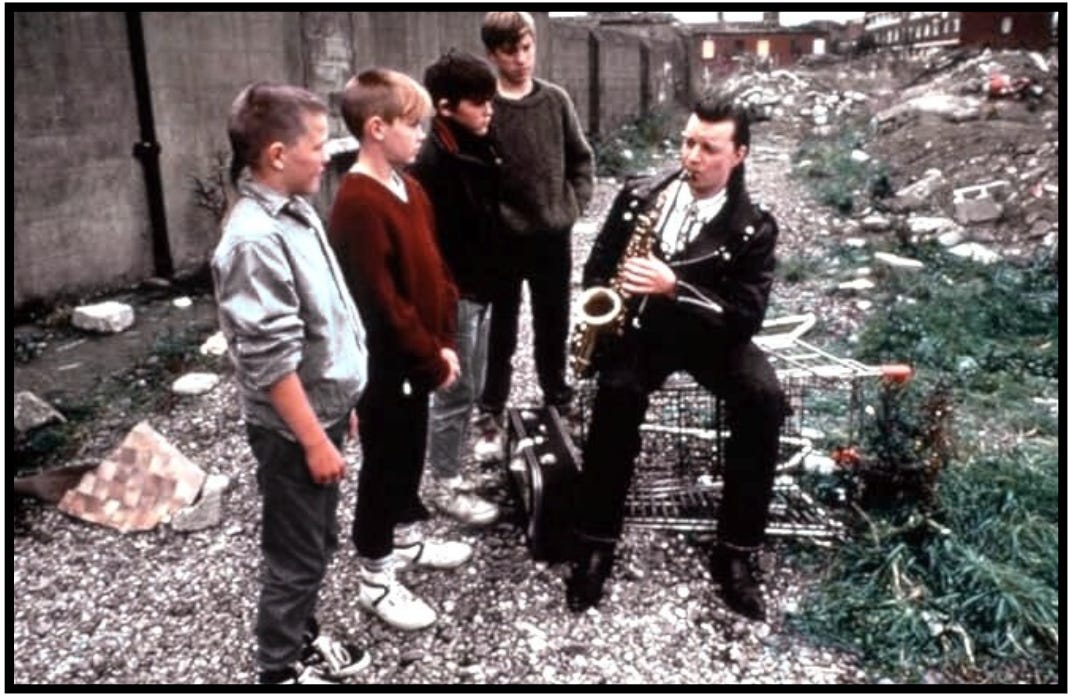
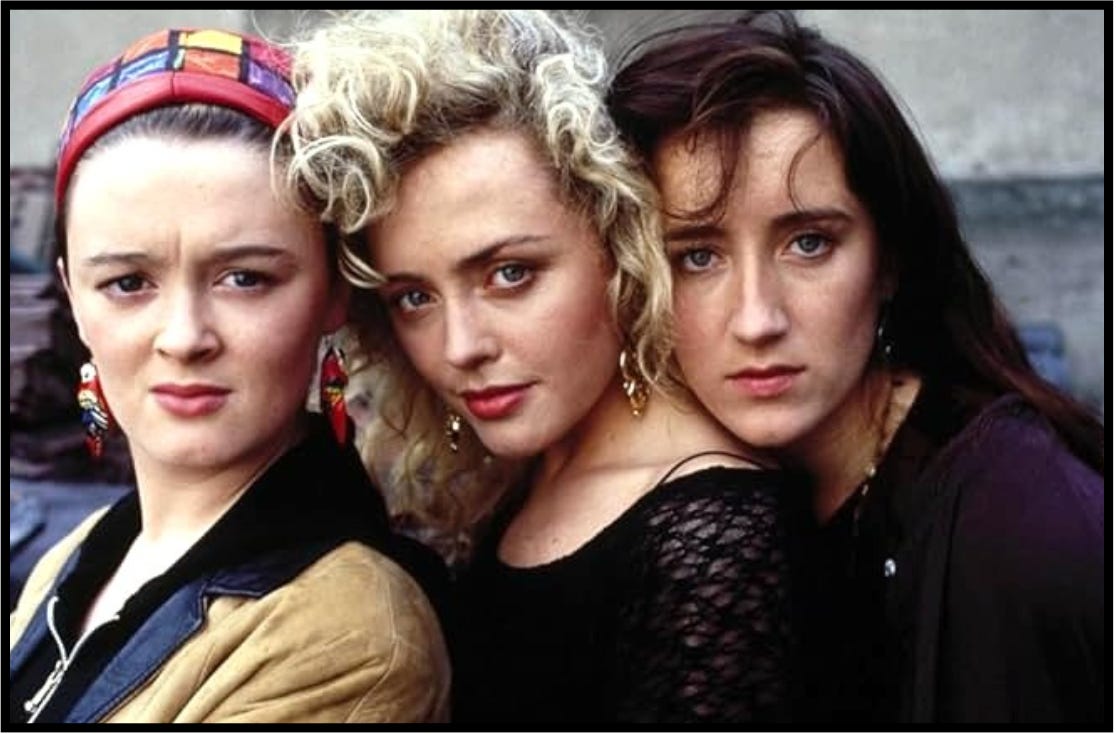
These discoveries include Dean, a talented saxophonist who Jimmy finds practicing in a cramped rehearsal space; his friends Outspan and Derek, who play awful synth pop in their band until Jimmy convinces the two that they’re wasting their lives performing “musical rubbish” and need to play soul music instead; Steven, the town’s church organist; and three local girls who are recruited to be the band’s backup singers.
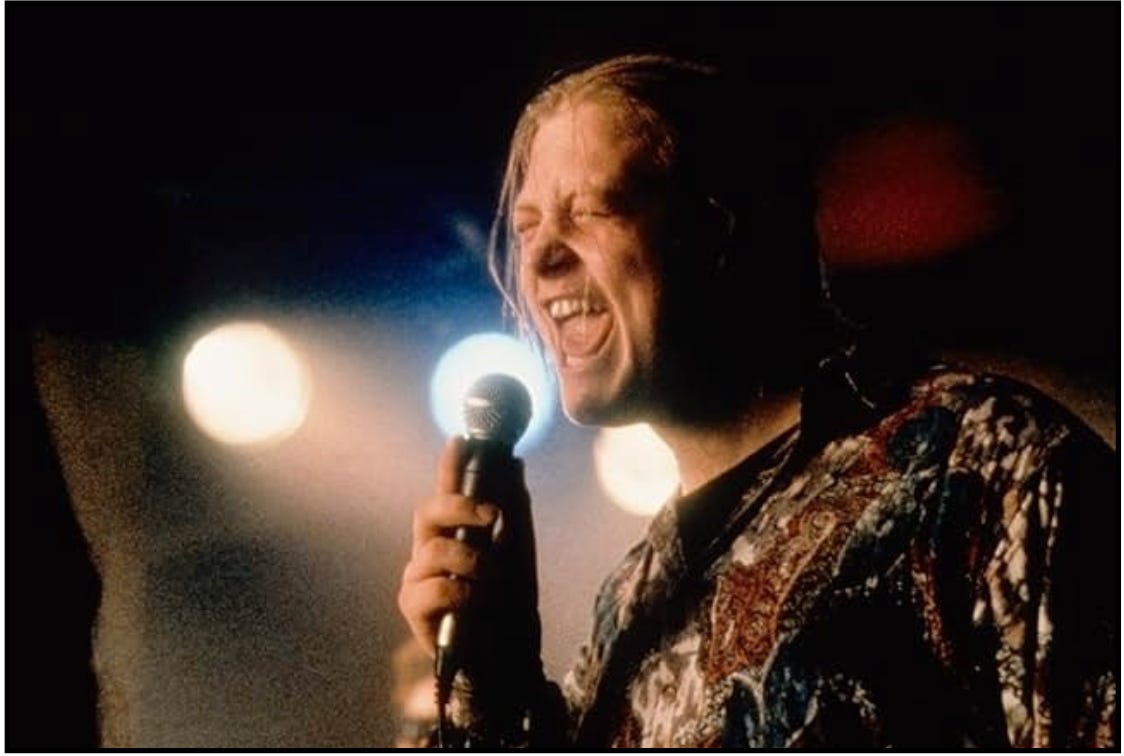
While attending a wedding reception, Jimmy witnesses a drunken young man named Deco grab the microphone and begin singing. Deco resembles a young Van Morrison and has a powerful voice that vaguely sounds like Joe Cocker. Of course, Jimmy is impressed. Despite Deco displaying an unpleasant and boorish personality, Jimmy realizes that Deco is the voice the band needs to succeed.
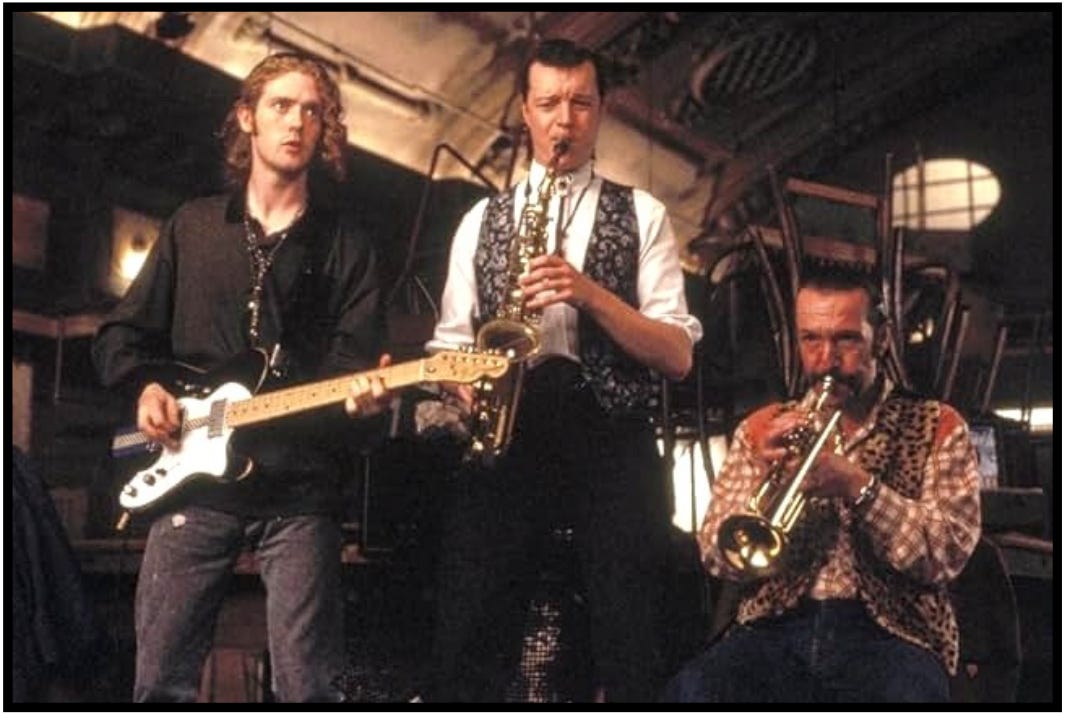
And, in a twist, Jimmy doesn’t discover Joey “The Lips” Fagan. Instead, Joey arrives at Jimmy’s house after hearing about the band. Joey claims the Lord told him Jimmy needed a trumpet player. Older and more musically experienced than the others in the band, Joey claims he recently returned from America where he played with many famous black musicians including B.B. King and Wilson Pickett. Of course, Jimmy hires him on the spot.
Jimmy dubs this budding group of musicians The Commitments because, according to him, all of the best bands have “the” at the beginning of their name, such as The Beatles, The Doors, and The Rolling Stones.
And when some of the members of the new band begin to question whether they should be playing music that is actually black, Jimmy doesn’t hold back:
“D’you not get it lads? The Irish are the blacks of Europe. And Dubliners are the blacks of Ireland. And the Northside Dubliners are the blacks of Dublin. So say it once, say it loud - I’m black and I’m proud!”
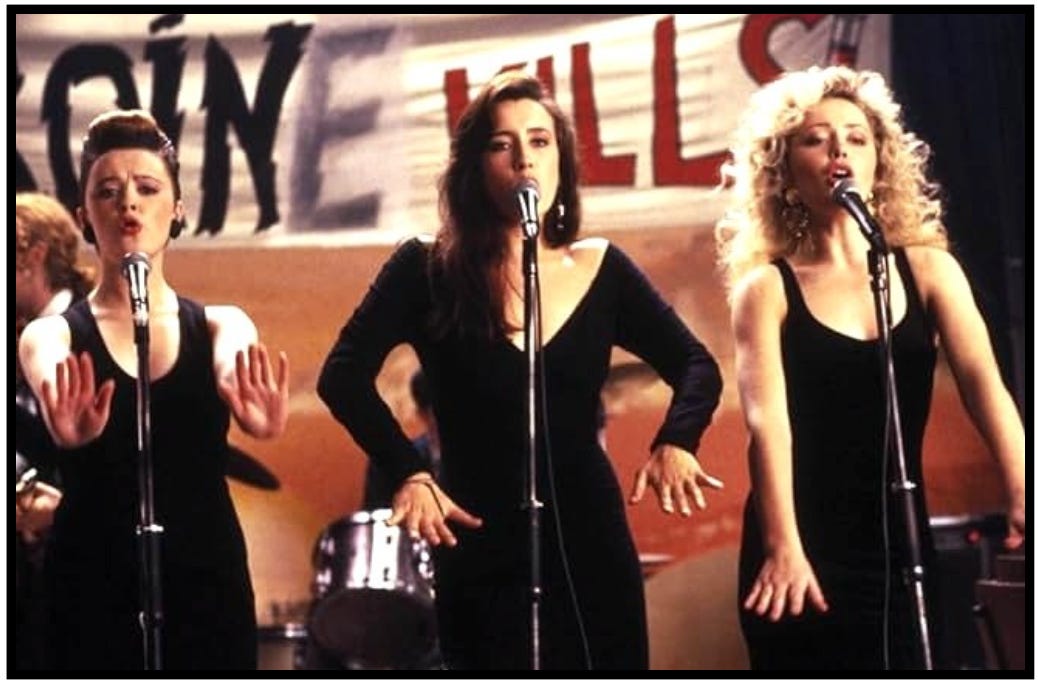
We see the band rehearse and begin playing at local pubs. These live performances of classic soul hits like “Mustang Sally,” “Chain of Fools,” and “In The Midnight Hour,” performed by the talented cast made up of real musicians, are some of the many highlights of the film. Eventually, the band finds their groove and becomes even more polished and electrifying on-stage. Word begins to spread throughout Northern Dublin about The Commitments and soon they have a large following of fans.
But things are beginning to fray within the band. Deco, who is already abrasive to be around except when he sings, becomes increasingly unbearable, his ego growing bigger than ever. He begins treating the other members like they’re his backup band and they don’t like it.
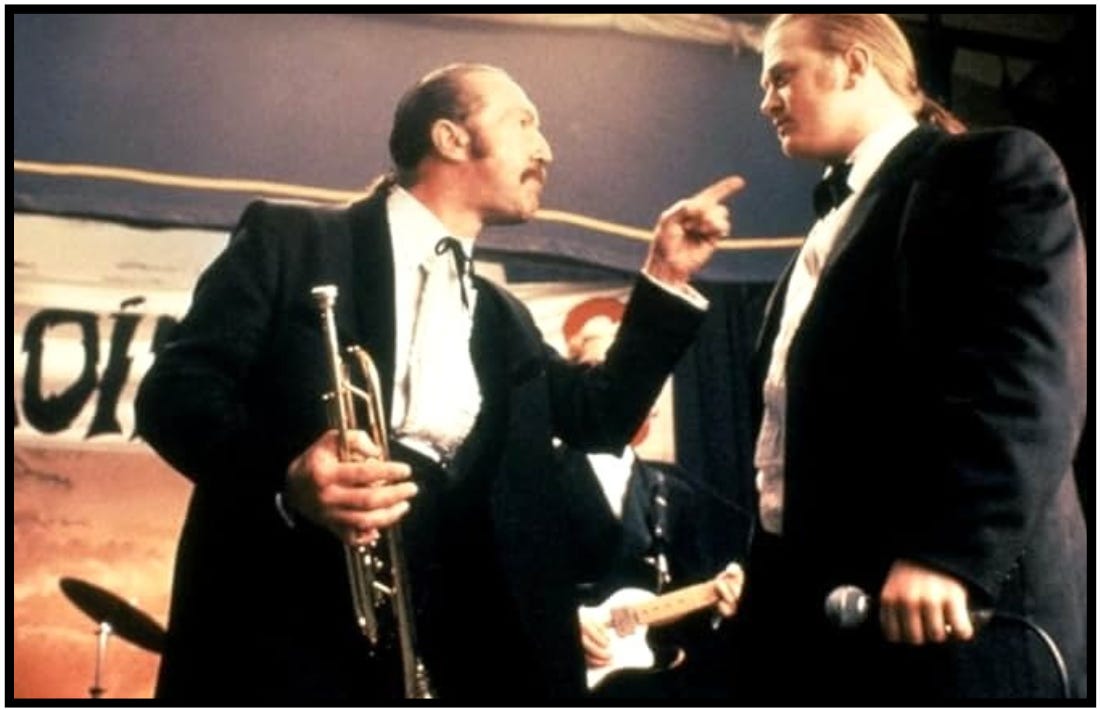
And perhaps even more problematic, Joey “The Lips” begins sleeping with each one of the backup singers, sometimes romancing all three at the same time without any of them realizing it until afterwards. Naturally, this leads to infighting among the women and jealousy from the other guys in the band.
In fact, the only thing holding the band together is their upcoming show at The Palace and the hope that the band will be discovered and become famous.
Joey claims that while he was working as a touring musician in the States, he became close friends with Wilson Pickett. Now, Pickett is touring the UK and Ireland, so Joey sends Pickett a telegram inviting him to come jam with the band on-stage at The Palace.
Jimmy uses this information to create a lot of buzz for the band’s upcoming show. He even convinces local journalists to attend after informing them that Pickett himself will be performing with the band on-stage.
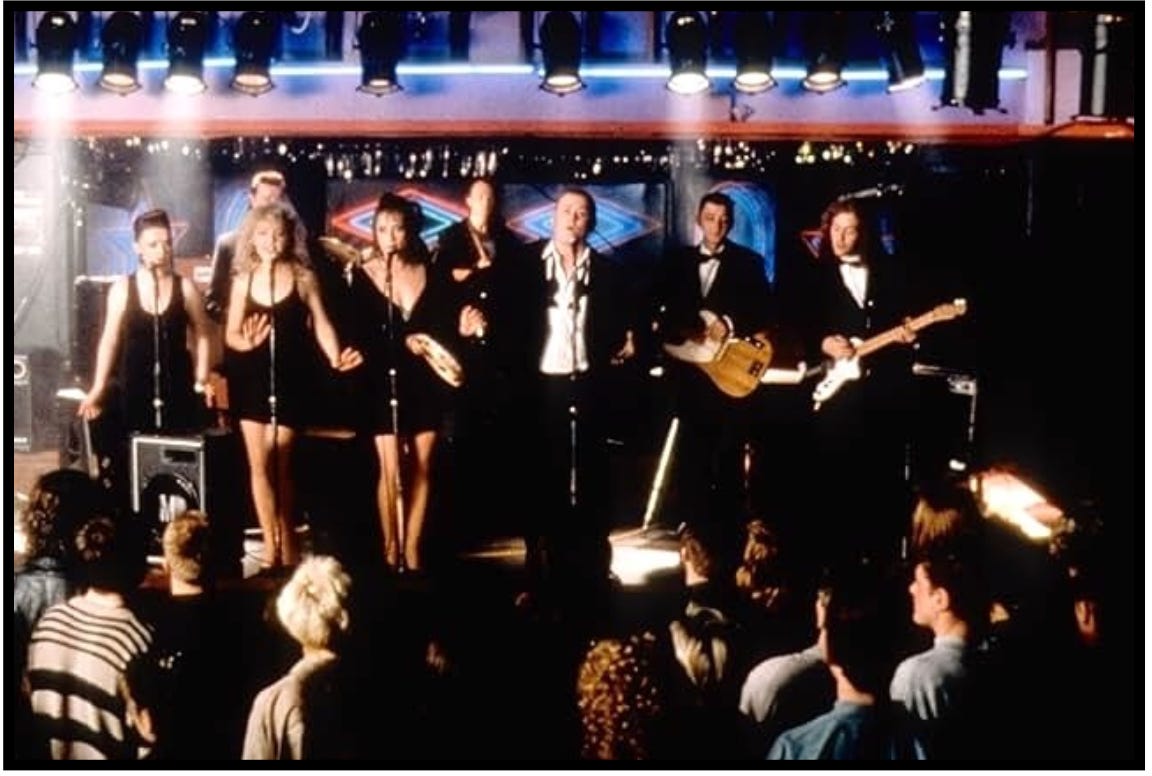
On the night of the show, the band gives their best performance yet to a wildly enthusiastic crowd. However, sadly, Wilson Pickett never shows up.
Backstage, after the show is over, a talent scout approaches Deco, and Deco makes it clear to the band that he’s looking for a record deal as a solo artist. This causes all the underlying tensions to explode out in the open as the entire band gets into a chaotic brawl. Punches are thrown, equipment is knocked over, and the band members all begin to quit. By the end of the night, The Commitments no longer exist.
Afterwards, Jimmy is standing outside the club, alone in the rain. As he begins to walk home, a limo pulls up and the driver rolls down the window. He asks Jimmy for directions to The Palace and explains that Wilson Pickett is in the backseat looking to jam with the band there. It turns out Joey wasn’t lying after all, but it’s too late. The show is over and the band has broken up.
The film ends the way it began, with Jimmy doing an imaginary monologue to himself about the band: "We could have been famous. We could have been legends. But we were something better. We were The Commitments."
Why The Commitments Still Matters Today
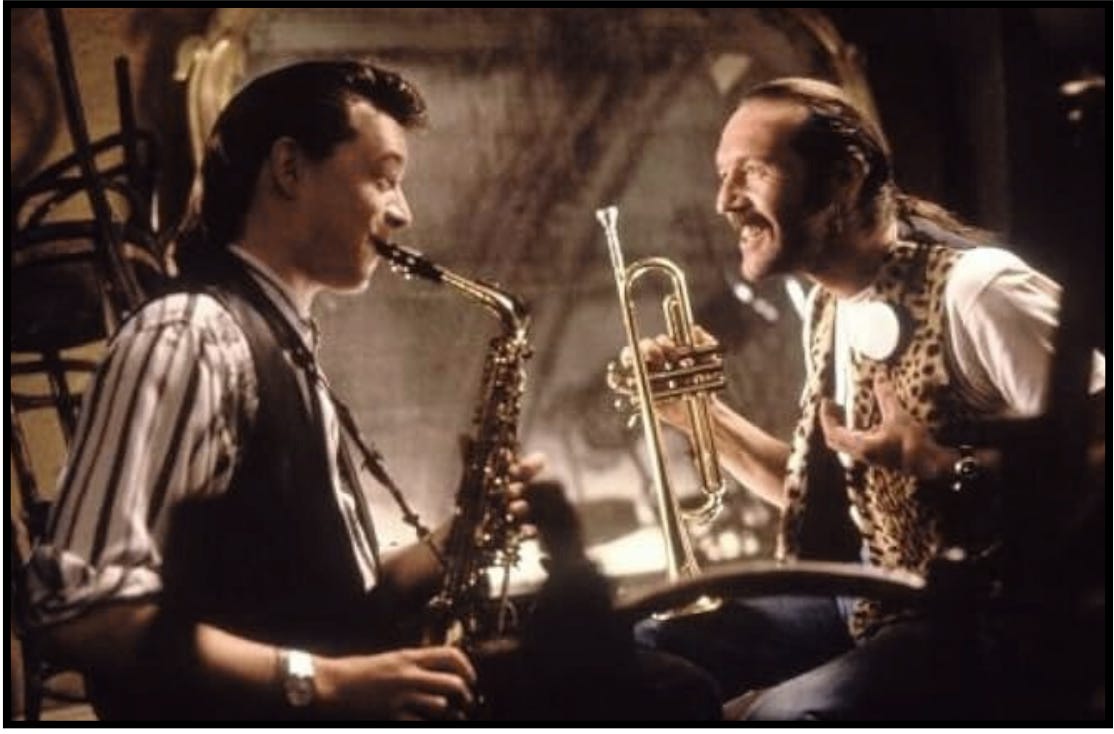
The movie was released in theaters back in 1991. What makes The Commitments a great film now, 35 years later?
First, there’s the script, which is not only very funny, but also contains moments of drama and a lot of heart. Roddy Doyle adapted his own novel and wrote the initial screenplay for the film. However, the producers felt it needed more work, so they brought in Dick Clement and Ian La Frenais. They restructured the story and added more humor to it, resulting in one of the best scripts about playing in a band ever written.
Clement and La Frenais also added the part near the end of the movie about Joey the Lips becoming friends with Wilson Pickett after touring with him in the U.S. and inviting Pickett to come jam with the band on-stage at the Palace. None of that was in the original novel, but I think it’s a nice addition to the story, and it helps provide the film with a bittersweet ending.
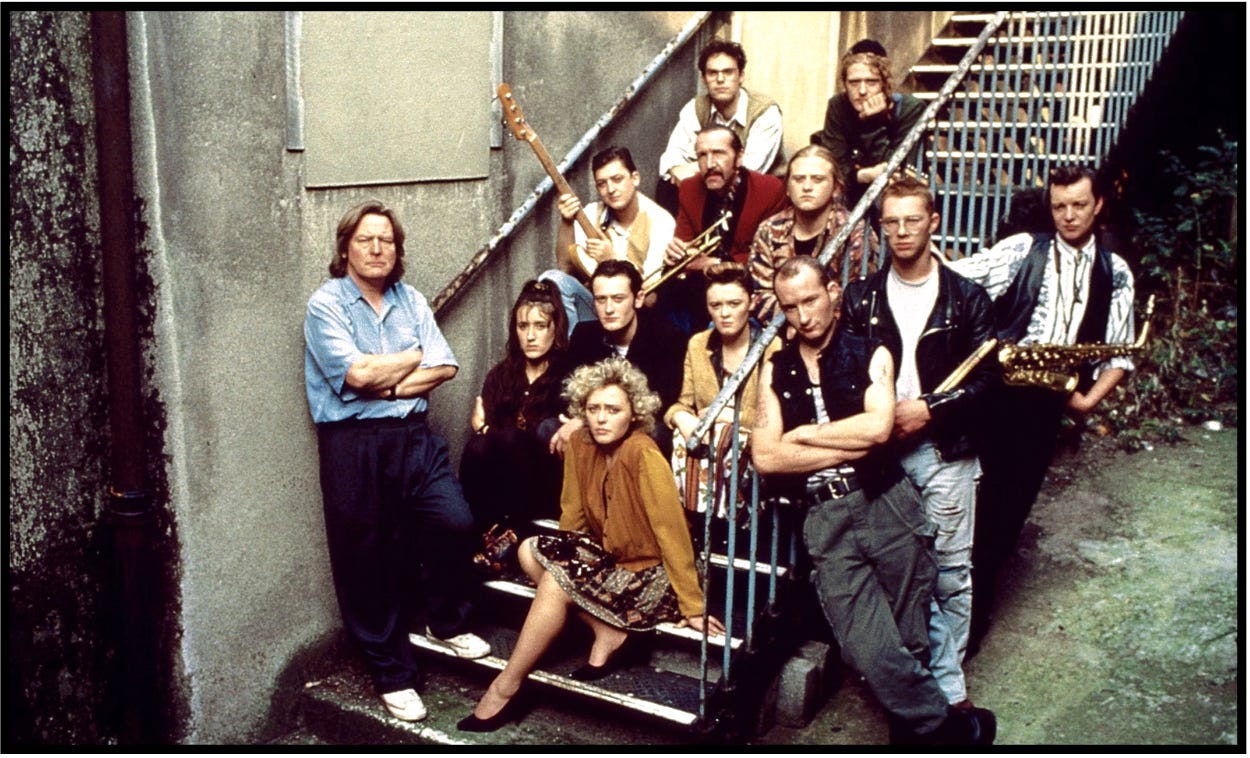
Another key element that helps make The Commitments a great film is the cast. By using actual musicians instead of actors who can sing, the film seems more authentic and more grounded in reality. Perhaps this is because all of these young musicians have struggled in their own lives to make a living practicing their art while trying to make a name for themselves.
The director, the late Alan Parker, knew from the start that he wanted a cast of unknowns, so he used a process similar to how he previously found actors for his hit movie, Fame, back in the late 1970s. Parker went all over Ireland hunting for the right young musicians to play the roles. According to Parker, “When I arrived in Dublin, we immediately auditioned 65 bands and spent the next few months on a lengthy pub crawl as we trawled upstairs performance spaces to make sure we’d seen everybody – not an onerous task.”
Parker and his casting assistants eventually saw over 3,000 young musicians by the time the casting process was finished. Among their discoveries was Andrew Strong, who plays Deco in the film. He was only 16 years old.
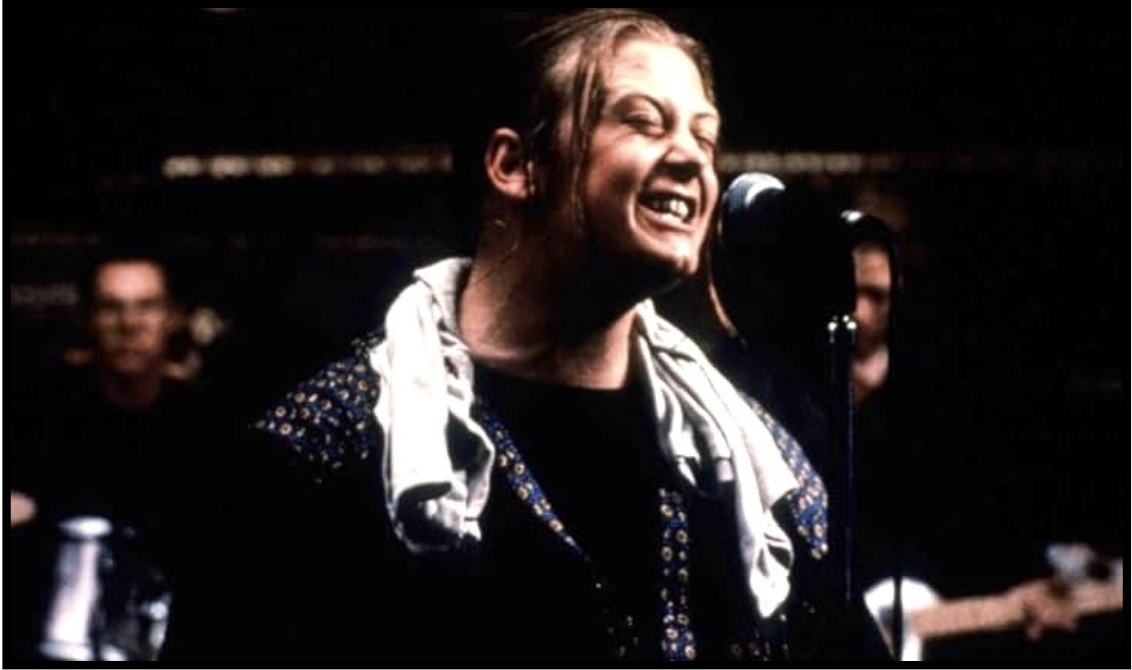
Alan Parker: “His voice was exactly as Roddy had described it in the book: ‘… a real deep growl that scraped against the tongue and throat on the way out’…He didn’t resemble the description in the book, Andrew not being conventionally handsome —closer in looks to Charles Laughton than Bryan Ferry, but boy, could he sing. I thought that as long as I had that voice, with a little patience and considerable rehearsal we could also turn him into an actor. That was the idea anyway.”
Another reason why The Commitments is a great film is the musical performances. As I mentioned above, the young cast of unknowns were all struggling musicians. Their craftsmanship and dedication to the film show in their electrifying and dazzling live renditions of the classic soul tunes used in the movie.
In an interview about the making of the movie, Parker said, “We used a new system of out-of-phase speakers which enabled us to play the pre-recorded constant backing tracks at maximum volume on set to give us a live performance atmosphere for the vocalists to sing to. Each vocal was then recorded live onto a twenty-four track recorder that was on set with us. Because of the out-of-phase speakers the vocals could be recorded cleanly, as they were filmed, for re-mixing later. This allowed us the technical precision needed for a complicated cut but gave us the truth, energy and spirit of a live performance.”
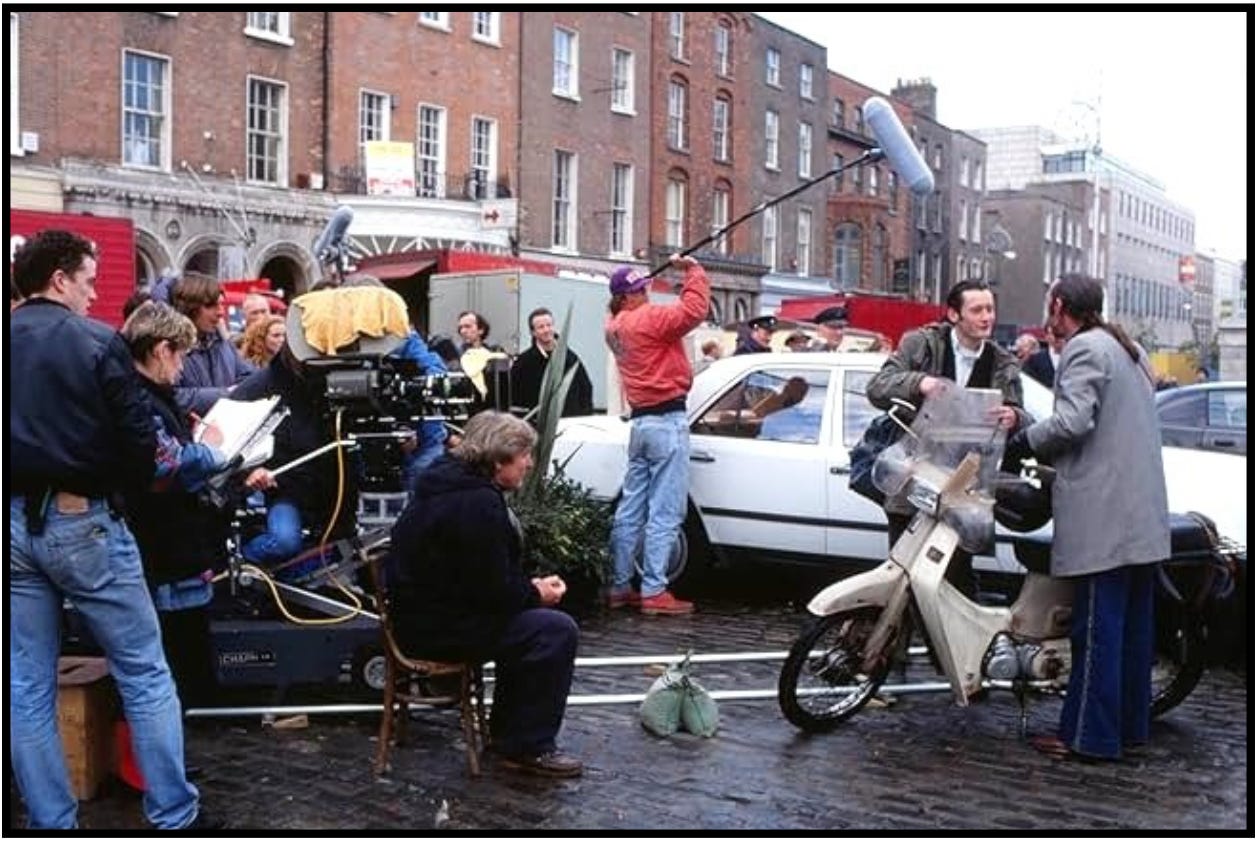
In addition, The Commitments wouldn’t have turned out as well as it did without the brilliant direction of the late Alan Parker. He oversaw every aspect of the film from script rewrites to location scouting, casting, filming, and post-production. Parker was also able to use his considerable talent to get excellent performances from his cast of unknown musicians who were acting onscreen for the first time.
Finally, Parker brought a deft, light touch to the film. Yet, he was also able to portray the gritty conditions of life in Northside, Dublin by avoiding sentimentality and clichéd depictions of Ireland and Irish culture. In my opinion, this makes The Commitments one of Alan Parker’s very best films.
Final Thoughts
Although it was first released in theaters over three decades ago, Alan Parker’s The Commitments is still just as entertaining and relevant today as it was back in 1991. As the late Alan Parker said about the movie, “I never met an Irish person who didn’t like it.”
If you enjoyed this post, check out these other articles:


35 years ago?? 😱😱
‘’The Lord blows my horn.” —Jimmy the Lips Fagan