
Can You See The Real Me?
Why "Quadrophenia" is the best concept album of all time

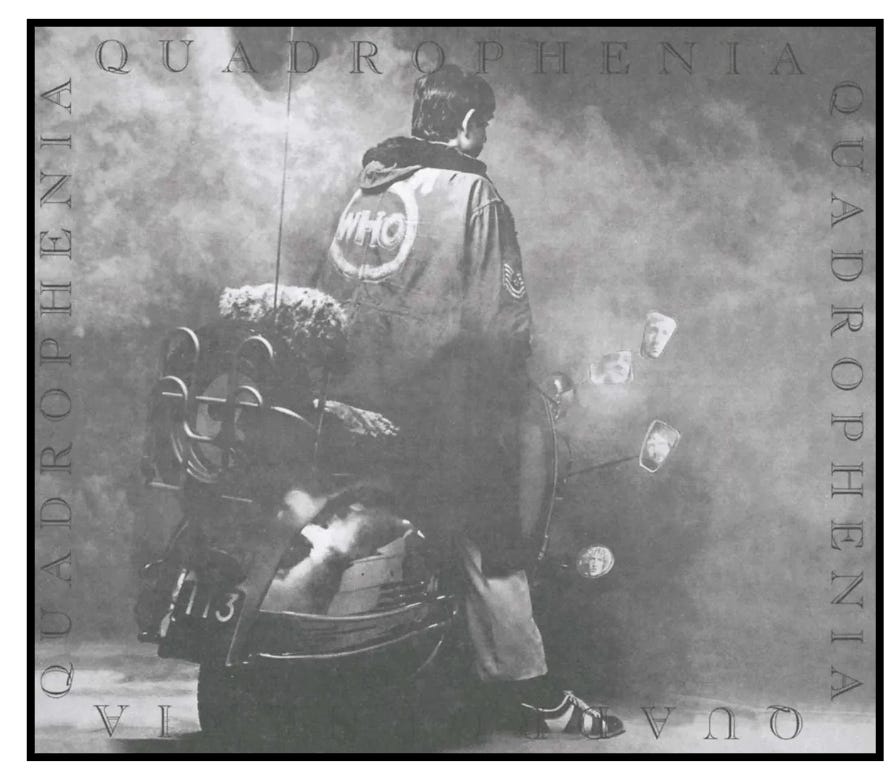
When asked what concept rock albums they like best, most casual music fans would probably say Pink Floyd’s The Wall or The Who’s rock opera, Tommy. Both of these classic albums are justifiably great and continue to be popular today.
However, most of these fans, especially younger listeners, probably aren’t familiar with The Who’s follow up to the story of the pinball wizard, Quadrophenia. They may have heard of it, but they haven’t actually listened to it.
This is a shame because Quadrophenia is not only The Who’s last great album, it’s also their masterpiece.
Here are three reasons why…
1. It Has a Great Story and Main Character
Told entirely through song, Quadrophenia is set in England during the mid-sixties, when two rival gangs of youths, the mods and the rockers, frequently brawled in different seaside towns throughout the country.
(Note: Some Spoilers Ahead):
The main character is a disaffected teenager named Jimmy. He’s a member of the mods who does drugs, gets into beach fights, and of course, is a fan of The Who.
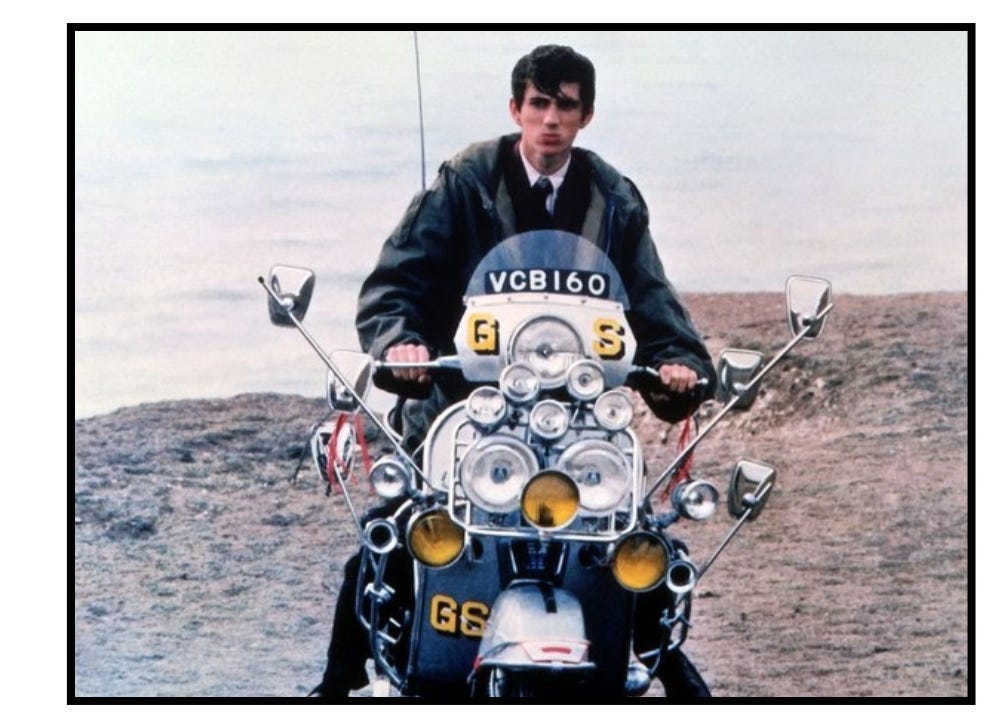
However, Jimmy is also alienated from his parents and other friends. He can’t find a good job, doubts his own self-worth, and struggles to keep up with the other mods.
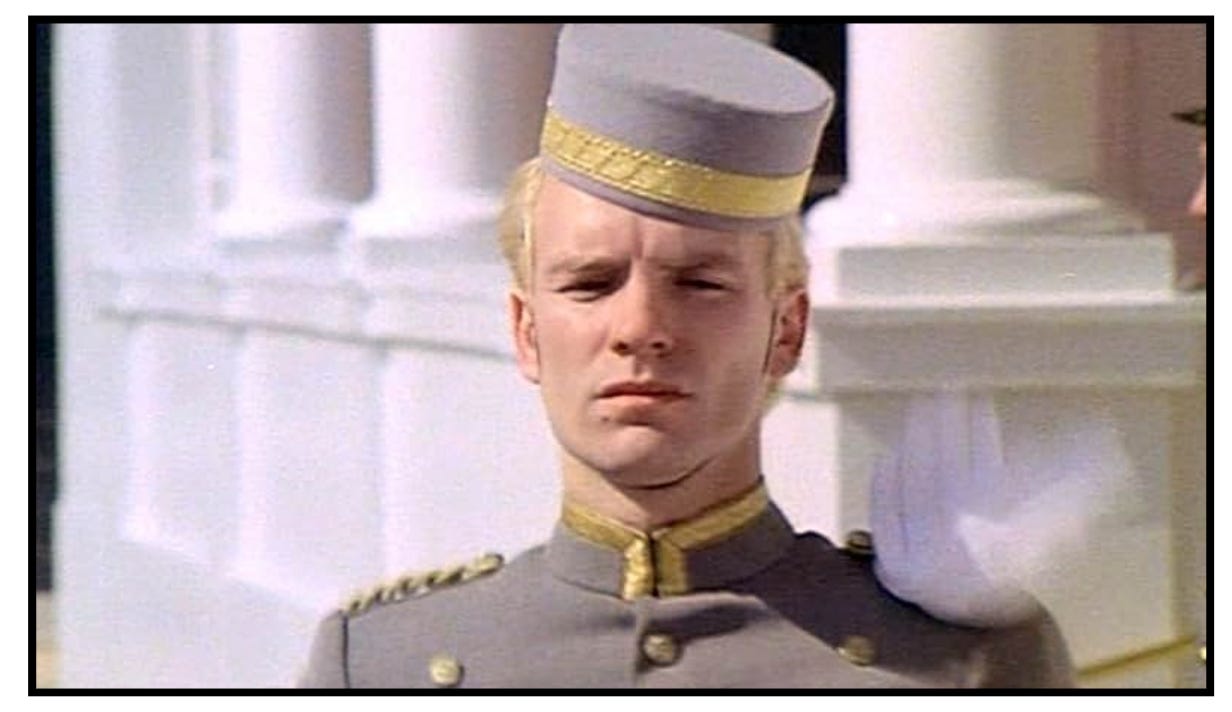
After destroying his prized scooter and contemplating suicide, Jimmy returns to Brighton, only to see the former leader of the mods, Aceface, now working as a bellboy at a hotel.
Totally disillusioned, Jimmy steals a boat and sails out to sea in the rain. Alone, Jimmy thinks about his life.
Of course, there’s a lot more to the story than this short summary. That’s one of the many reasons why I love this album.
Quadrophenia is like a musicalized novel. It’s equal to a rock version of Catcher in the Rye, with masterful lyrics that use symbolism and metaphor to describe character, emotions, and inner longings.
In case you’re wondering, the album is called Quadrophenia because Jimmy has four different personalities which reveal themselves through 4 musical themes on the album.
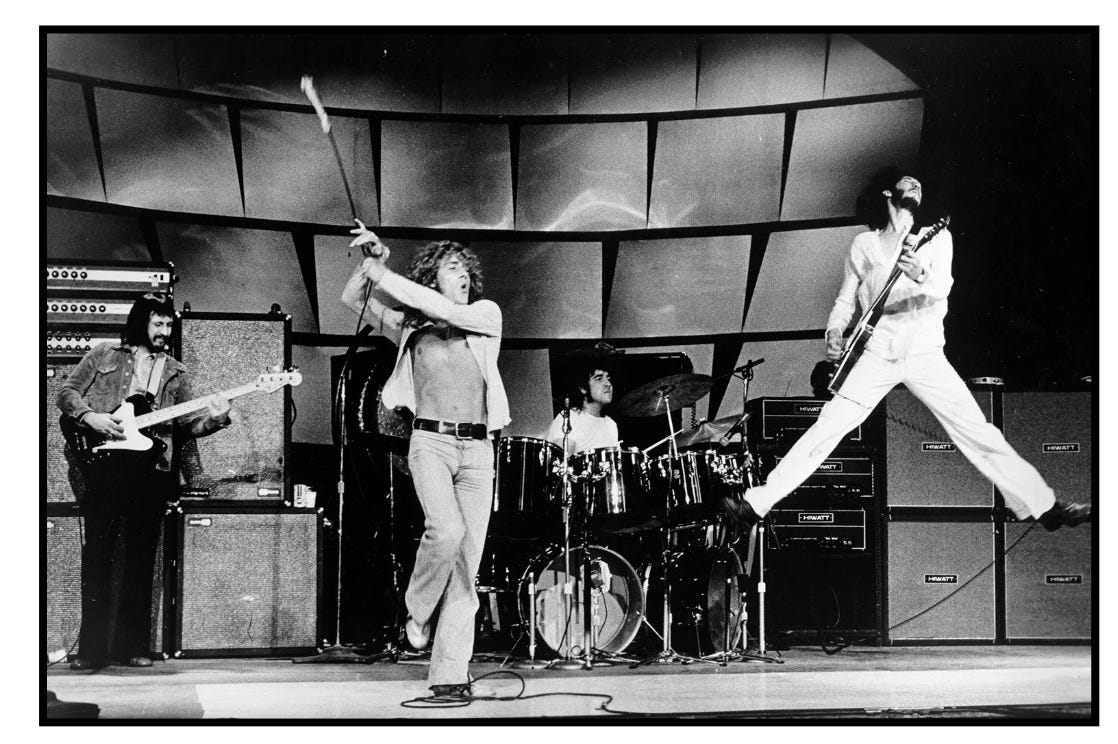
Each personality/theme corresponds to a member of The Who: Roger Daltrey (a tough guy; a helpless dancer); John Entwistle (a romantic); Keith Moon (a bloody lunatic) and Pete Townshend (a beggar and hypocrite).
Because there’s so much going on in the story and lyrics, Quadrophenia is that rare album that slowly reveals more of itself every time you listen to it, even if you’ve heard it a hundred times before.
2. Every Song Is a Winner
Clocking in at 81 minutes, with 17 different tracks spread over 2 vinyl albums, Quadrophenia is the only Who album where all of the songs were written and composed by guitarist Pete Townshend by himself.
This is important because every song is great and none of them are fillers or a disappointment. Not only is Townshend at his best here as a songwriter, he’s also able to transcend the restrictions of rock songs to repeat and expand on musical motifs and themes throughout this album while still telling Jimmy’s story.
The music ranges from ballads to hard rock and they fuse together in an organic way, which is much better than the songs in Tommy. Here, the 15 songs and 2 lengthy instrumentals are more cohesive.
In fact, Quadrophenia is more than a collection of songs. It’s almost like a rock symphony made up of different movements.
Lyrically, Townshend has never been better. He uses the lyrics to these songs to reveal character, emotions, longings, and irony. For example, early on in the song, Cut My Hair, Townsend captures Jimmy’s predicament:
“Why Should I care / If I have to cut my hair / I’ve got to move with the fashions Or be outcast / I know I should fight But my old man, he’s really alright / And I’m still living at home / Even though it won’t last”
Much later, when Jimmy sees Aceface, (who he idolized as the leader of the Mods), and discovers Aceface is now working as a bellboy at a seaside hotel, Townshend writes:
“Ain’t you the guy who used to set the paces / Riding up in front of a hundred faces / I don’t suppose you would remember me/ But I used to follow you back in sixty three”
Then, Aceface responds by singing…
“I got a good job and I’m newly born / You should see me dressed up in my uniform / I work in a hotel all gilt and flash / Remember the gaff where the doors we smashed? / Bell Boy! I gotta get running now / Bell Boy! Keep my lip buttoned down / Bell Boy! Carry the bloody baggage out”
And in the final, powerful song, Love Reign O’er Me, Townshend uses nature imagery of the sea and rain when Jimmy sings:
Only love can make it rain / The way the beach is kissed by the sea/ Only love can make it rain/ Like the sweat of lovers/ Laying in the fields/ Love, reign O’er me
These are just a few examples of the many great lyrics on this album.
3. The Production and Arrangements are Superb
This is the most elaborately produced and arranged Who album ever created by the band.
It combines the Who’s brand of rock with strings, horns, timpani, synthesizers, and a wide variety of field recordings, so that when they’re mixed together they create an aural head-spinning experience.
Unlike The Beatles’ Sgt. Pepper, which used sound effects to dazzle the listener, in Quadrophenia, all of the field recordings, such as waves washing on a beach, train whistles, and more, are carefully and purposely used.
Combined with the guitars, drums, horns, strings and more, these field recordings become another instrument in the rock orchestration. They don’t call attention to themselves; they’re just expertly integrated into the musical arrangements and sound design.
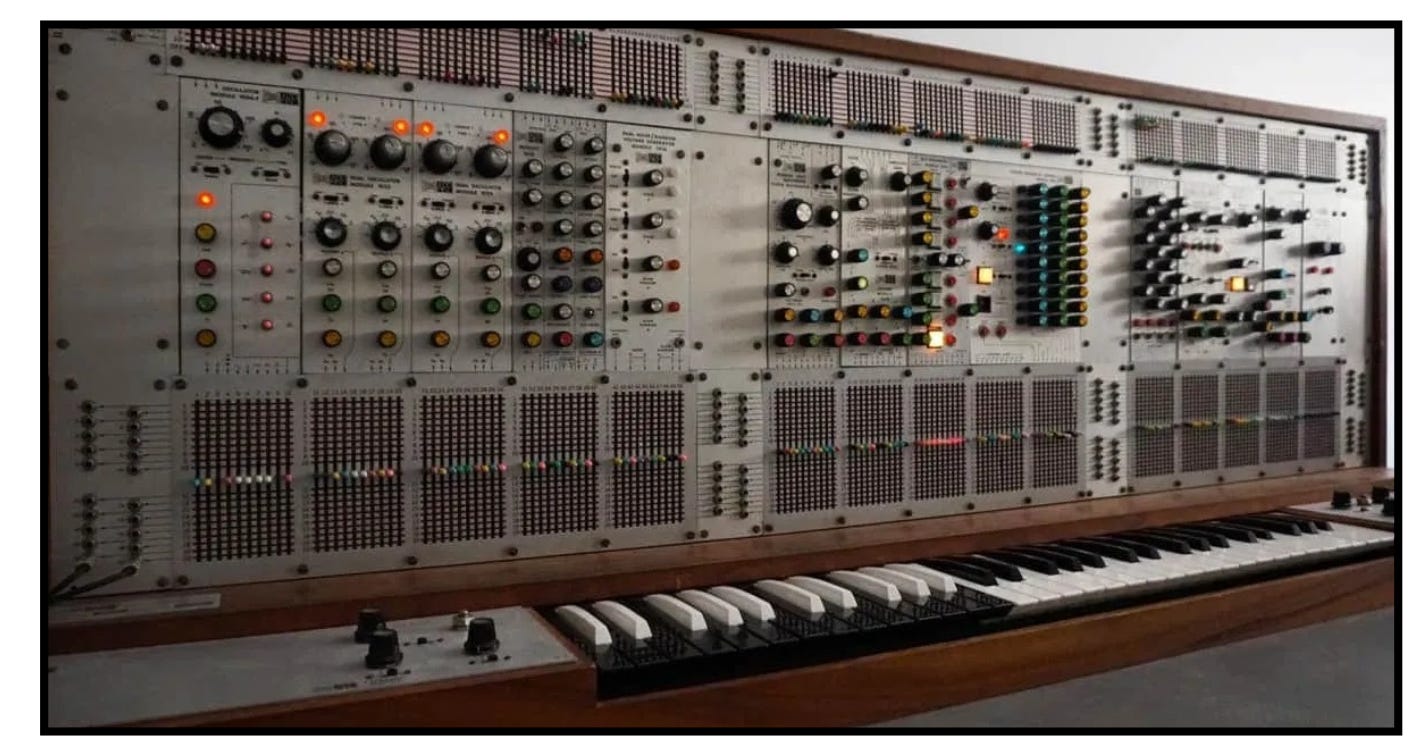
Townshend also uses the relatively new at the time Arp 2500 synthesizer to great effect on this album too. Overdubbing sounds from the Arp many times to create layers of sound, Townshend shows great restraint in the way he incorporates synthesizers into his audio production.
Final Thoughts
Released 52 years ago in 1973, Quadrophenia was originally distributed as a 2 vinyl record set that came with an elaborate booklet filled with photos, lyrics, and an essay that tried to explain the entire story and concept.
However, it still divided Who fans at the time. Many of them didn’t like it.
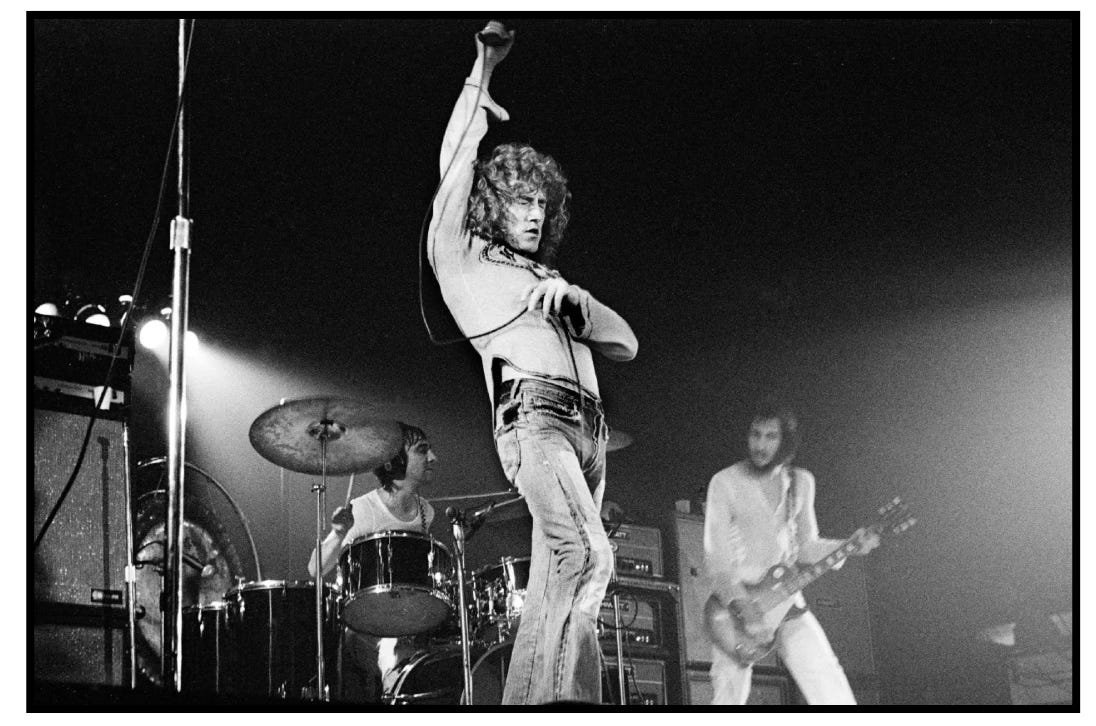
The band even had to stop performing Quadrophenia live back then because fans didn’t understand what the songs were about or they didn’t like the complicated music.
However, as the years went on, Quadrophenia’s stature improved with both Who fans and music listeners worldwide.
In 1979, a film adaptation of the concept album was released that featured Sting in the role of Aceface. While the film has its moments, I don’t feel it’s as good as the original album.
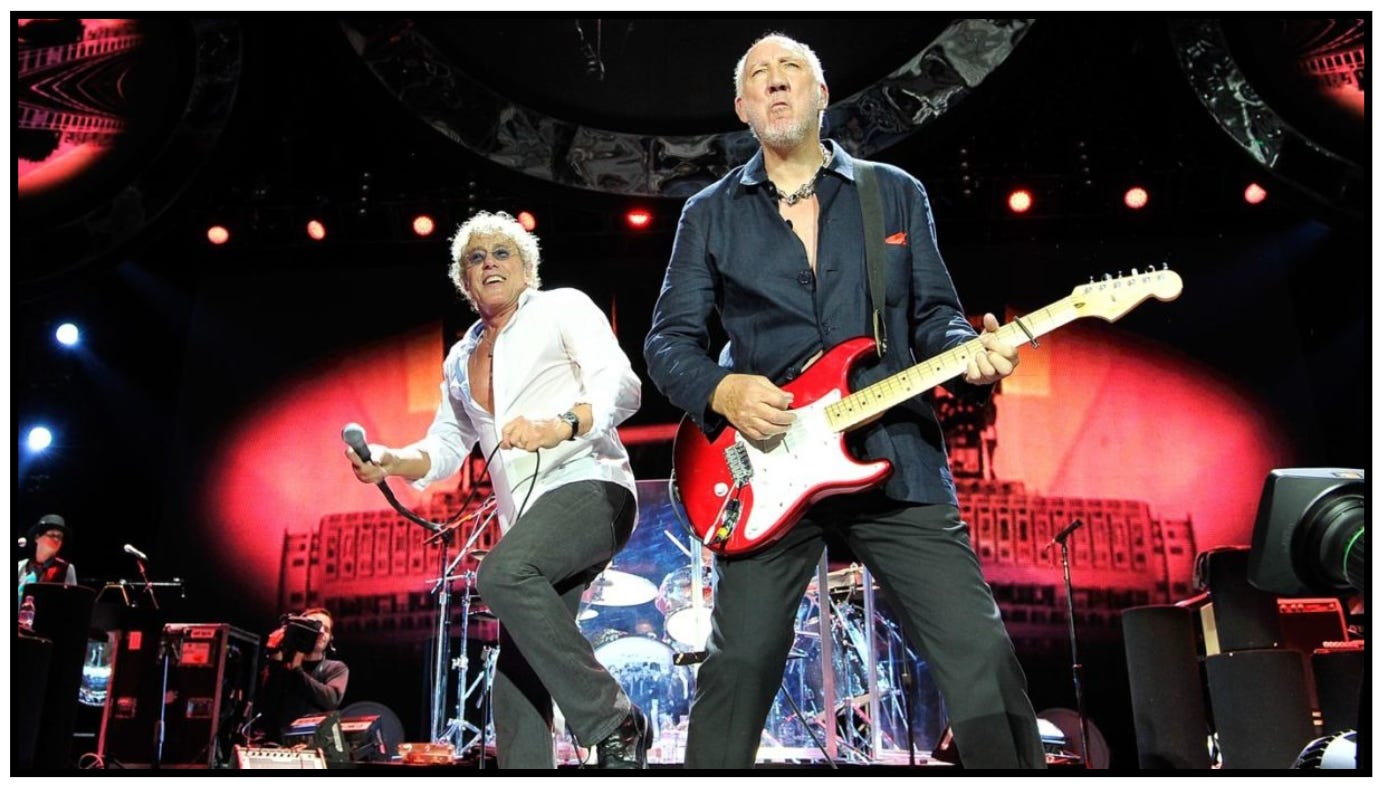
Years later, in 2012, The Who performed the album in its entirety on a world-wide tour called “Quadrophenia and More.”
Today, it’s obvious that Quadrophenia is one of the best concept albums of all time, if not the best concept album ever made.
If you haven’t heard Quadrophenia before, I encourage you to check it out but only when you have enough time to listen to all of it uninterrupted in one sitting. Like me, I’m sure you’ll enjoy this amazing album and want to hear it again and again.
Love this album. Hope more people listen to it because of this post.
Hey, Jim.
This is better than Pink Floyd's The Wall, you say? I had to listen to that. So sure did I and...
Boy, oh, boy! I just couldn't help but wish I had some of that stuff you were smoking when you found it to be the best concept album ever. I might deserve a medal or something for getting through it.
Other than that, great post. You got me all pumped up about "Quadrophenia." Too bad I just wanted to drown myself while listening to it.
Don't hate me.