

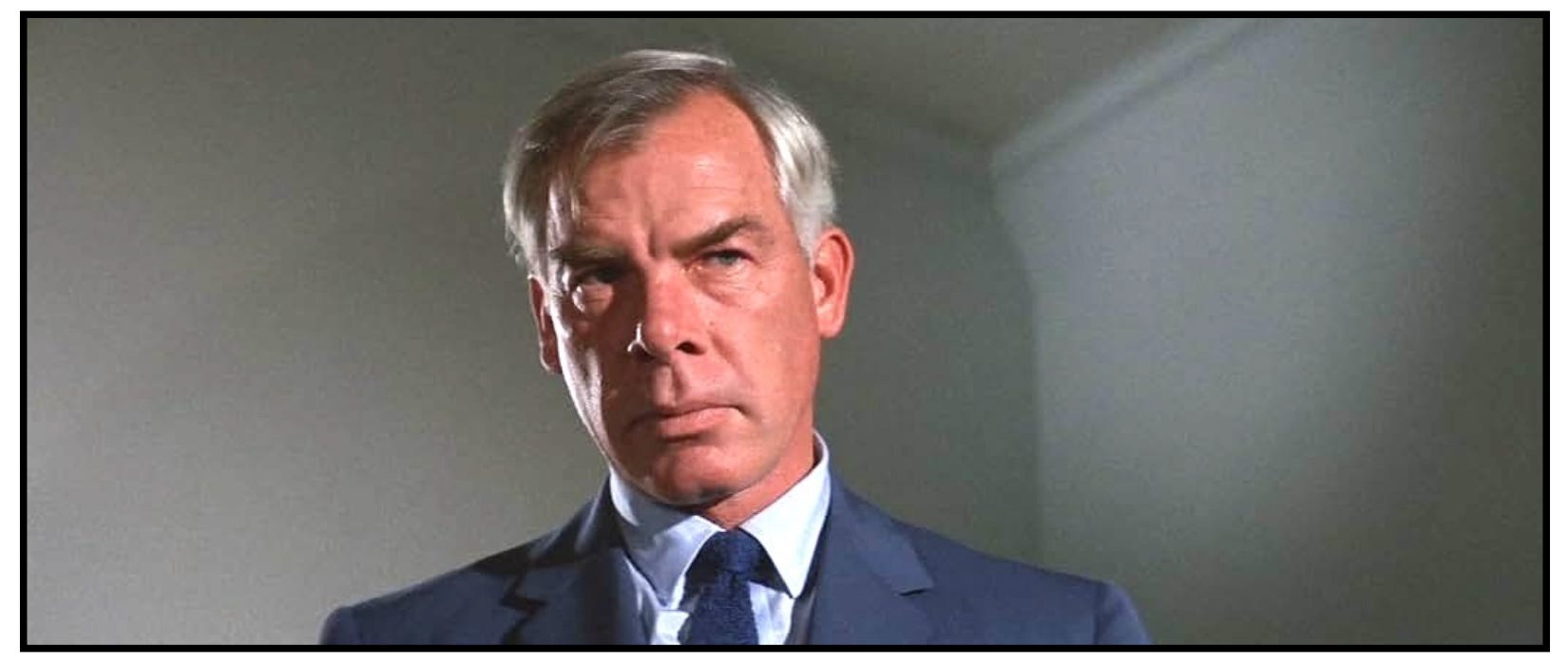
In 1967, a seismic earthquake hit Hollywood with the release of two films: Bonnie and Clyde and The Graduate. Both films are credited as beginning the New Hollywood film movement. In addition, both films were heavily influenced by the filmmakers of the French new wave, particularly Jean-Luc Godard and his film Breathless.
Yet, there was a third film released in 1967 that was also just as innovative and heavily influenced by the French new wave, but it’s rarely mentioned in the same breath as Clyde and The Graduate: John Boorman’s Point Blank.
Recently released on Blu-ray/4k by Criterion, Point Blank is a film waiting to be re-discovered by today’s cinephiles and given its due for the way the film presents its story in a fractured manner years before Quentin Tarantino’s Pulp Fiction.
The Angriest Steps Ever Put on Film
The story begins at the abandoned Alcatraz prison outside of San Francisco as a heist is about to take place. Walker (Lee Marvin), his friend and partner in crime Mal Reese (John Vernon in his Hollywood feature debut) and Walker’s wife, Lynne (Sharon Acker), all wait for a helicopter to descend on the deserted prison’s yard where a cash transfer is about to take place. After a helicopter successfully lands in the yard and drops off the cash, the trio kills the men responsible for taking the money back to “The Organization,” a crime syndicate run like a modern corporation.
However, Reese, who has been secretly having an affair with Walker’s wife, Lynne, decides he doesn’t want to share the money with Walker after all, so he shoots Walker multiple times at point blank range. Afterwards, Reese and Walker’s wife, Lynne, take all of the money with them, leaving Walker to die in an empty cell in the abandoned prison.
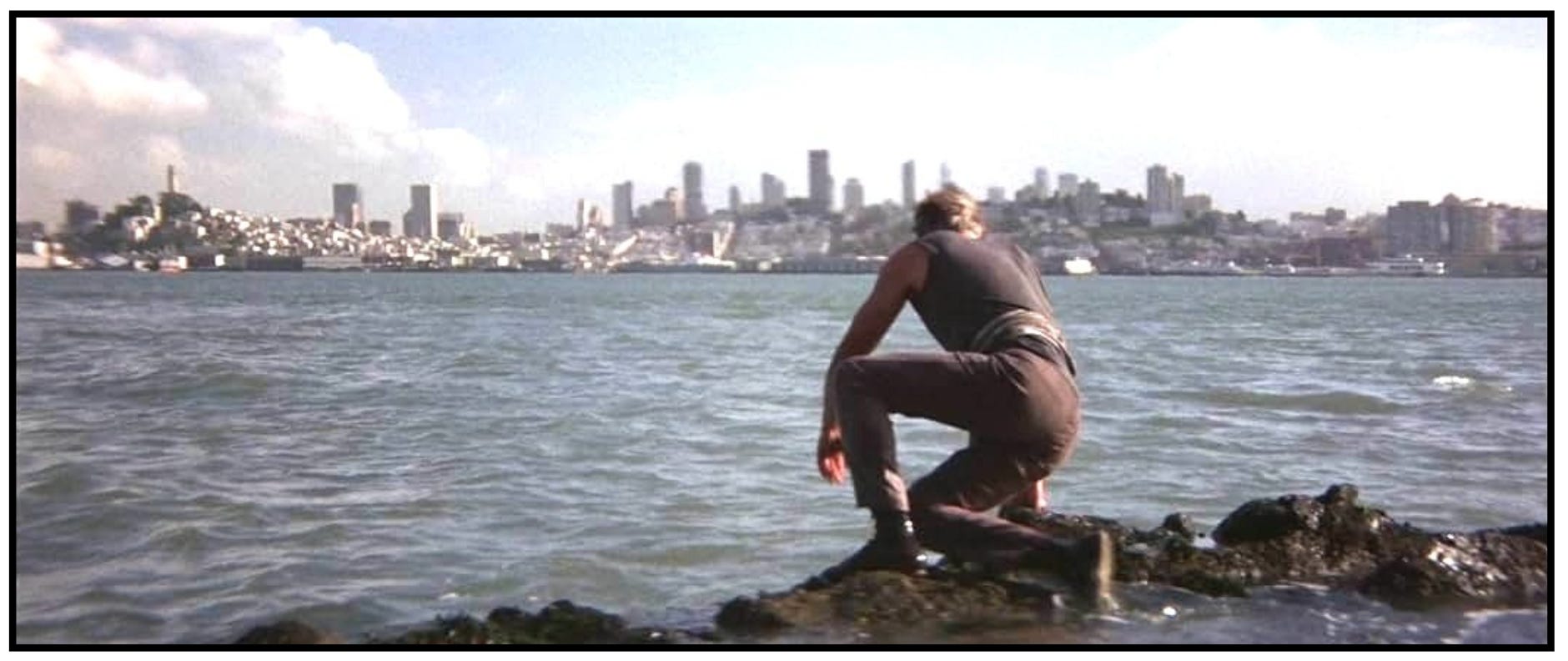
Walker somehow survives his multiple gunshot wounds and swims his way back to shore, even though nobody has ever successfully escaped from Alcatraz in the years it was open as a prison.
Then the film cuts to Walker on a tourist boat, now dressed in a new suit and with another man named Yost (Keenan Wynn). Yost is a mysterious figure who appears throughout the film. He’s Walker’s guardian angel of sorts, giving him information and leads to help Walker on his quest to find Reese and get his share of the money from the heist: $93,000 to be exact.
Walker returns to Los Angeles to find Reese and get his money back.
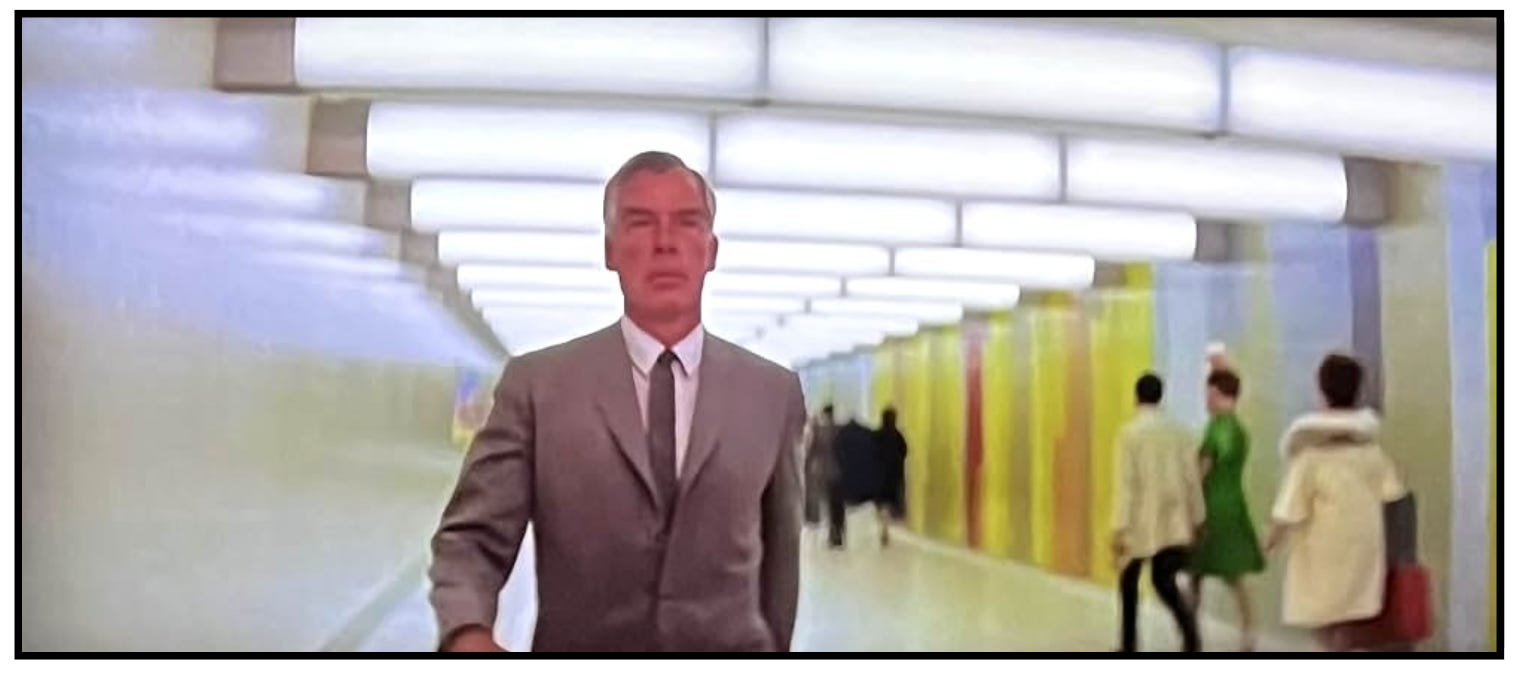
In one of the film’s most famous scenes, Walker angrily walks down the main corridor of the L.A. international airport, each step clacking on the tiles on the floor like bullets from a gun. Soon, Walker finds Lynne, but Reese has dumped her and is now dating her sister, Chris.
Walker spends the night at Lynne’s house, only to find her dead the next morning from an overdose of sleeping pills. Once again, Yost appears outside the house and in one of the film’s most surreal scenes Walker walks into a room to find Lynne’s body and all of the furniture in the house suddenly gone.
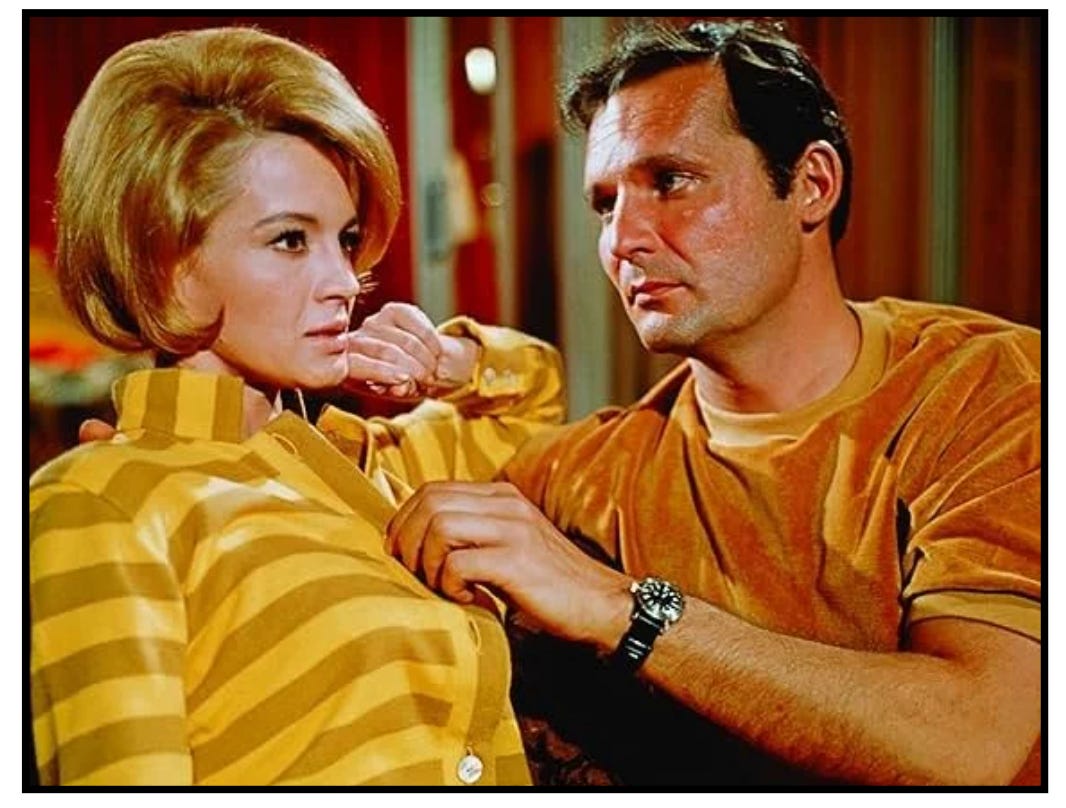
Eventually, Walker finds Lynne’s sister Chris (Angie Dickinson) and even though she has no affection for Walker, she agrees to help him. Chris goes to see Reese in his penthouse apartment at the top of a very secure skyscraper. Soon, Walker is able to infiltrate his way into their bedroom through the balcony’s glass door that Chris was able to leave unlocked for him.
After confronting Reese, the two struggle and Reese accidentally falls off the top of the building. But that doesn’t stop Walker from his pursuit to get his $93,000.
In some ways, Walker is like Arnold Schwarzenegger’s Terminator in that he’s only focused on achieving his goal of getting his money back and nothing else matters.
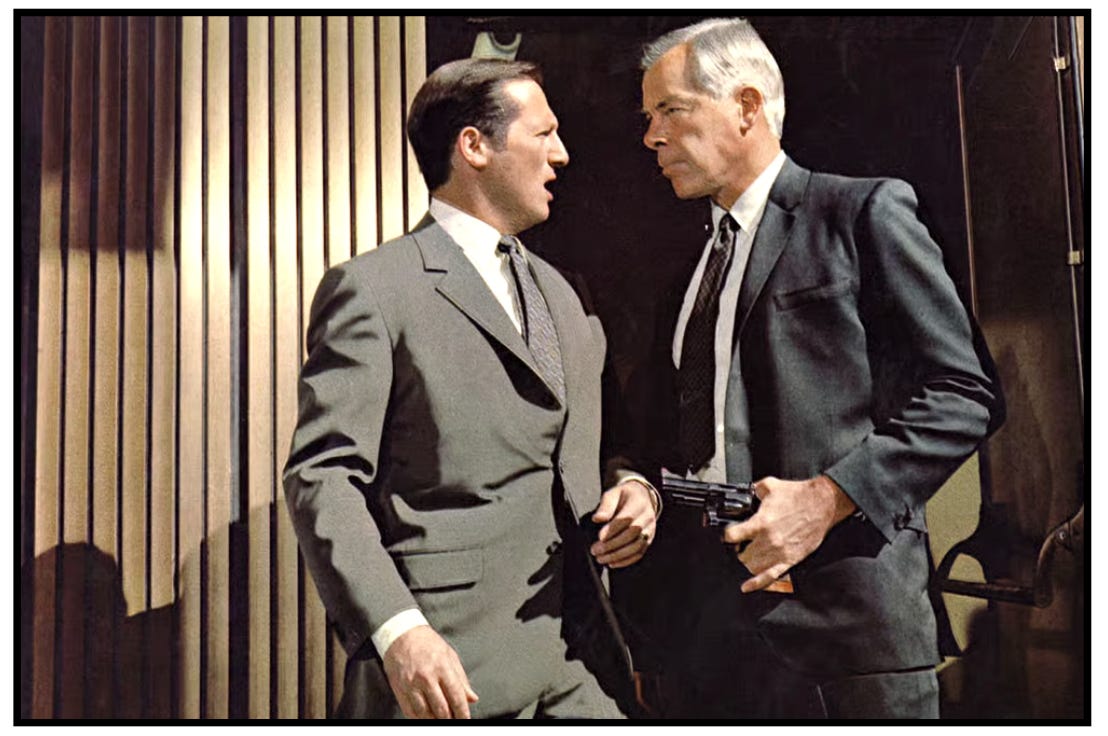
As Walker works his way through the corporation’s low-level managers to the top executives, none of them has access to pay him in cash or even write him a check, which is an ironic and nifty satire on how modern crime operates as a business.
In addition, all of the gangsters (or executives, if you will) wear suits and have their own secretaries. They all work in plush offices with all sorts of security devices to control who has access to them. Yet, Walker is still able to work his way inside their offices to confront them for his money.
Interestingly, Walker never actually murders anyone himself throughout the movie. Instead, the other characters either commit suicide, fall off the top of a building, or kill each other.
The film reaches its climax at the same place it began: the abandoned Alcatraz, but the ending isn’t what one would expect. So once again, did any of this actually happen or is the entire film the dream of a dying man?
It’s up to every viewer to decide that for themselves, but one of the great things about Point Blank is how either interpretation of the film is totally possible.
How the Film Was Made
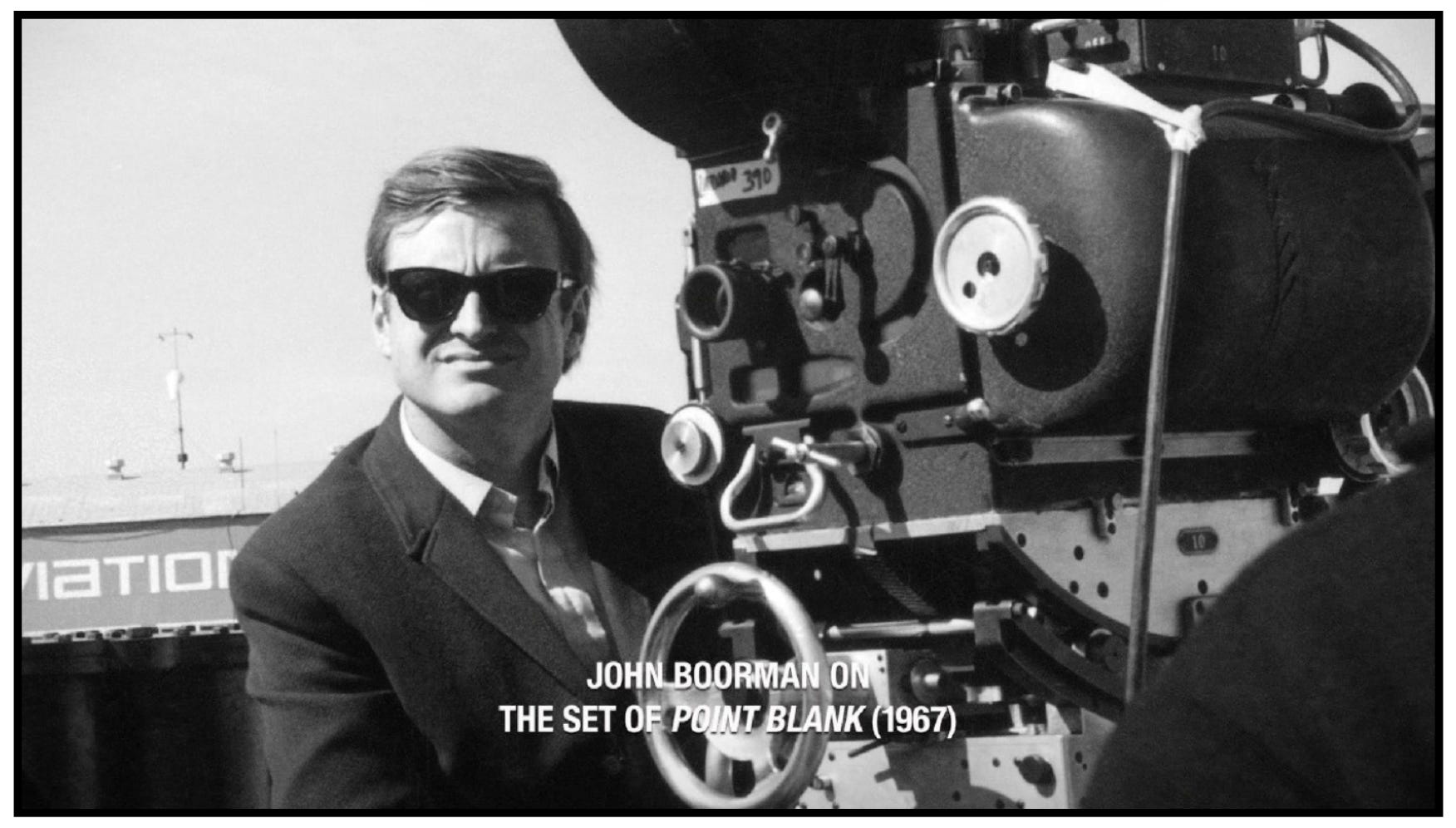
Surprisingly, Point Blank was only the second feature film directed by John Boorman. It’s an amazing accomplishment that has become more appreciated over time.
Originally from England, Boorman got his start in filmmaking by making documentaries for the BBC. His first feature film was Catch Us If You Can (known as Having a Wild Weekend here in the United States) starring the rock group, The Dave Clark Five.
Thanks to Pauline Kael’s rave review of that film, Boorman came to the attention of a producer at MGM in Hollywood named Judd Bernard. It was Bernard who gave Boorman the script to Point Blank and introduced him to Lee Marvin.
Marvin and Boorman hit it off right away and soon became friends. They both agreed that they liked the story and character of Walker but hated the script.
The screenplay was an adaptation of the novel, The Hunter by Don Westlake using the pen name Richard Stark. At first, it was meant to be only one book, but eventually it became the first in a series of novels about a professional criminal named Parker (I have no idea why Parker’s name was changed to Walker for the movie). Boorman collaborated with screenwriter Alexander Jacobs to rewrite the screenplay into the way Boorman wanted it to be.
Boorman, who was only 34 years old at the time, originally planned to film all of the movie in San Francisco. However, after visiting the city for the first time, he decided it was too pretty and romantic for the type of film he wanted to make.
Consequently, Boorman decided to film most of the movie in Los Angeles, which Boorman felt was hard and cold (just like the character of Walker himself).
Even so, the opening and closing scenes were filmed at the actual Alcatraz prison, which had closed only a few years earlier. In fact, Point Blank was the first movie to ever be filmed at the once notorious prison.
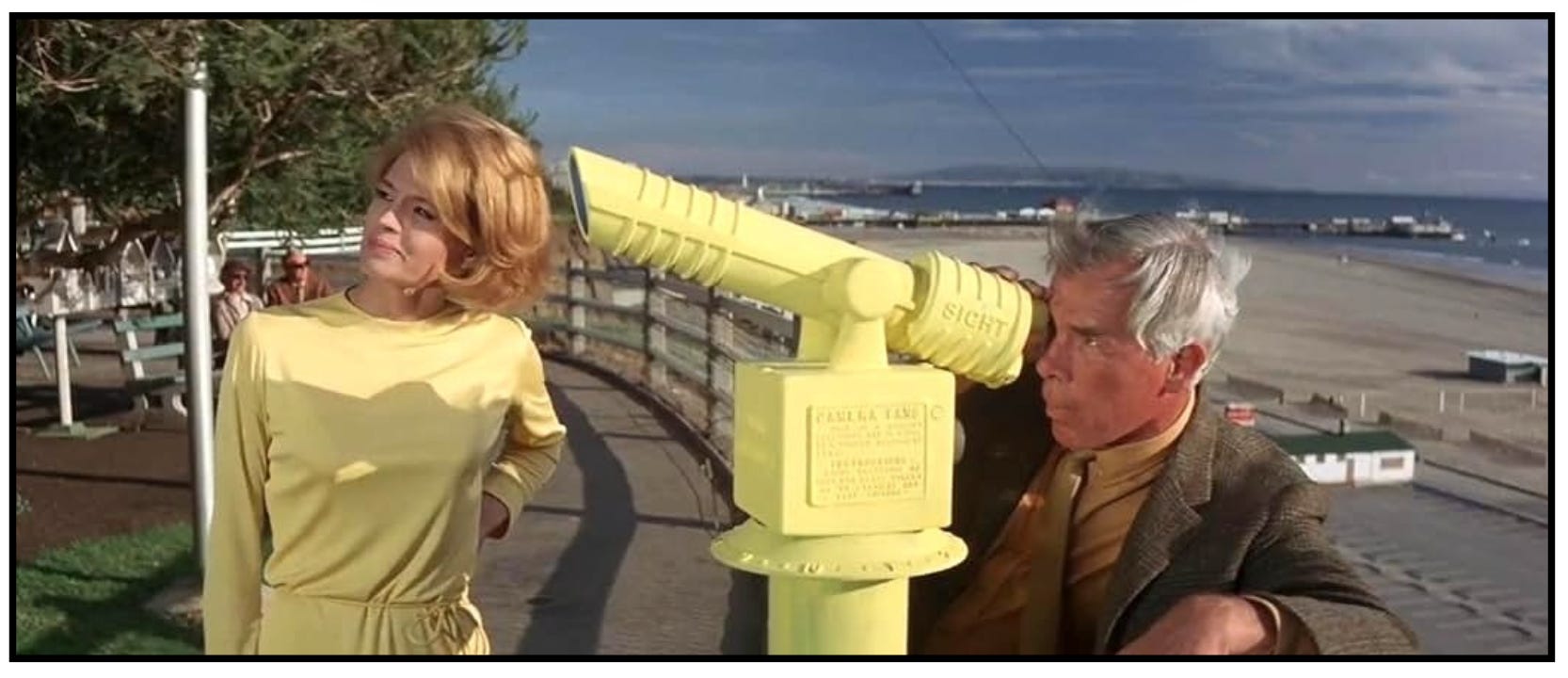
When the film was finished, the executives at MGM were confused by the story and presentation. Boorman had incorporated many of the editing techniques of the French New Wave, including the fracturing of time as the action in many scenes was interrupted by flashbacks, parallel events, or cross cuts. In addition, the past and present collided and were often repeated with slight variations.
Boorman also used overlapping sound and jump cuts, which made Point Blank feel like a dream rather than a straight-ahead action movie.
On top of all that, the film’s ambiguous ending left viewers with more questions than answers: did everything just happen or was it all the fantasy of a dying man?
The MGM executives, who were expecting a more traditional action movie, wanted Boorman to reshoot some of the scenes and add new material to the film to make it more linear and easier to comprehend.
However, thanks to Lee Marvin, Boorman was able to get final cut, so nothing was changed in the movie.
A Hollywood Star at the Top of His Fame
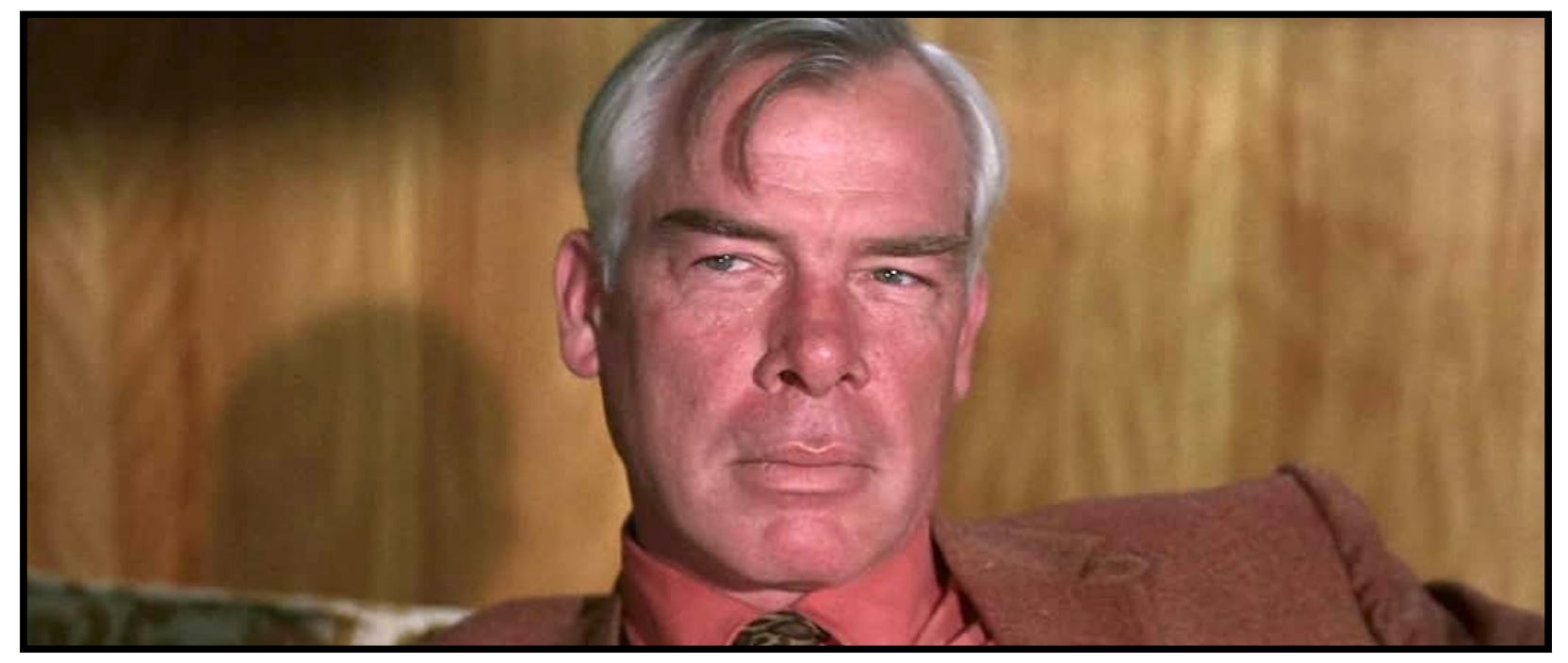
In 1967, Lee Marvin was one of the biggest stars working in Hollywood. He had also recently won the Academy Award for best actor for his dual roles as the ruthless Tim Strawn and the boozy gunslinger, Kid Shelleen in Cat Ballou. Marvin had also just finished filming his role in the upcoming movie, The Dirty Dozen, which was awaiting release.
So why did Marvin want to work with a young, relatively unknown director from England on Point Blank? Perhaps it had something to do with his experiences in World War II.
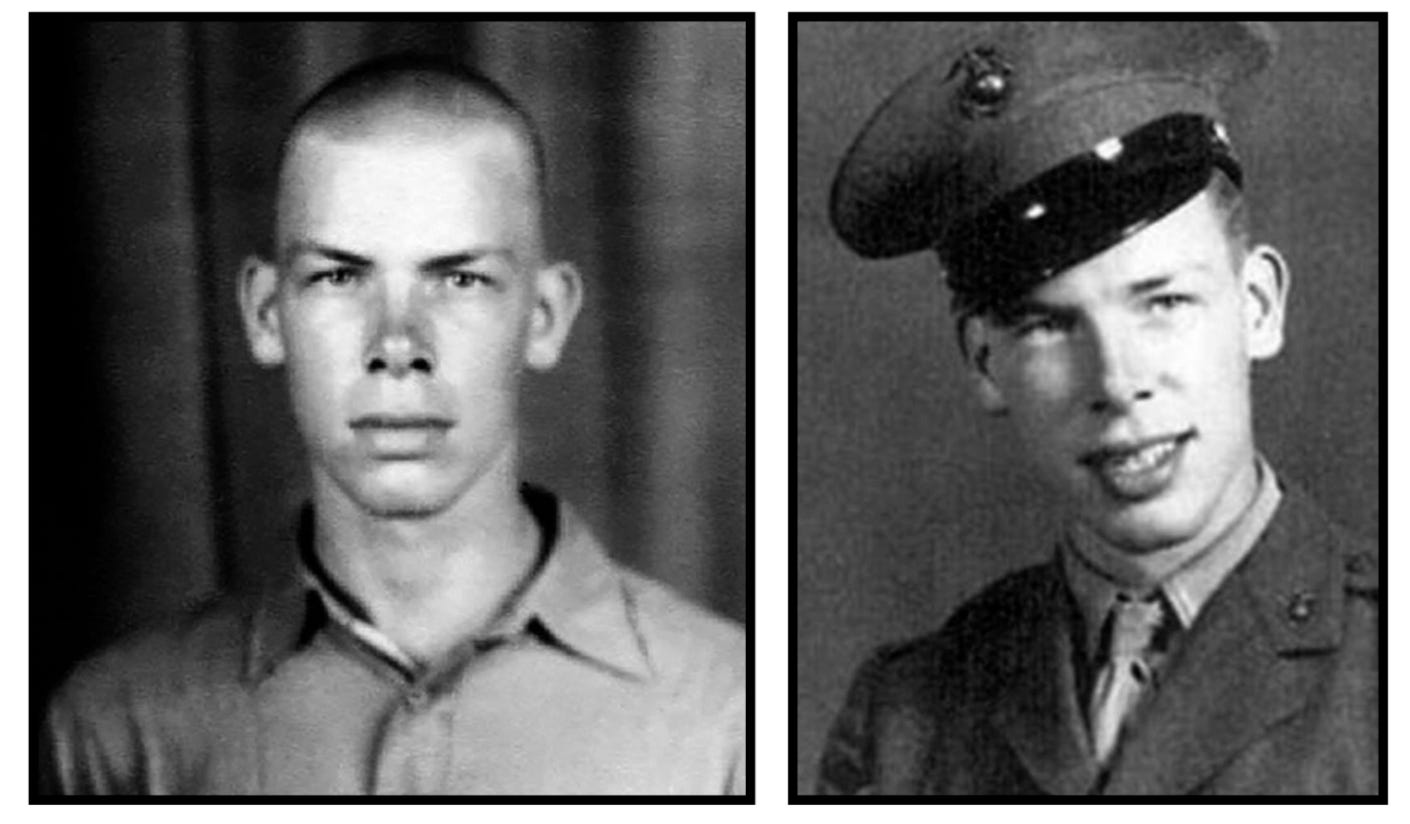
According to the Department of Veterans Affairs website, Lee Marvin joined the Marines in 1942 when he was only 18 years old. He served as a scout sniper in the 4th Marine Division and fought in the Pacific during World War II, including the assault on Eniwetok and participated in 21 Japanese island landings.
When the Japanese ambushed his platoon during the Battle of Saipan, most of his platoon was killed by the Japanese during that battle and Marvin was wounded. Afterwards, Marvin felt he was a coward lying on the battlefield unable to help his fellow soldiers. He suffered from survivor’s guilt for years afterwards.
Knowing what happened to him during the Second World War, it’s easy to see how Marvin channeled that traumatic experience for the role of Walker in Point Blank.
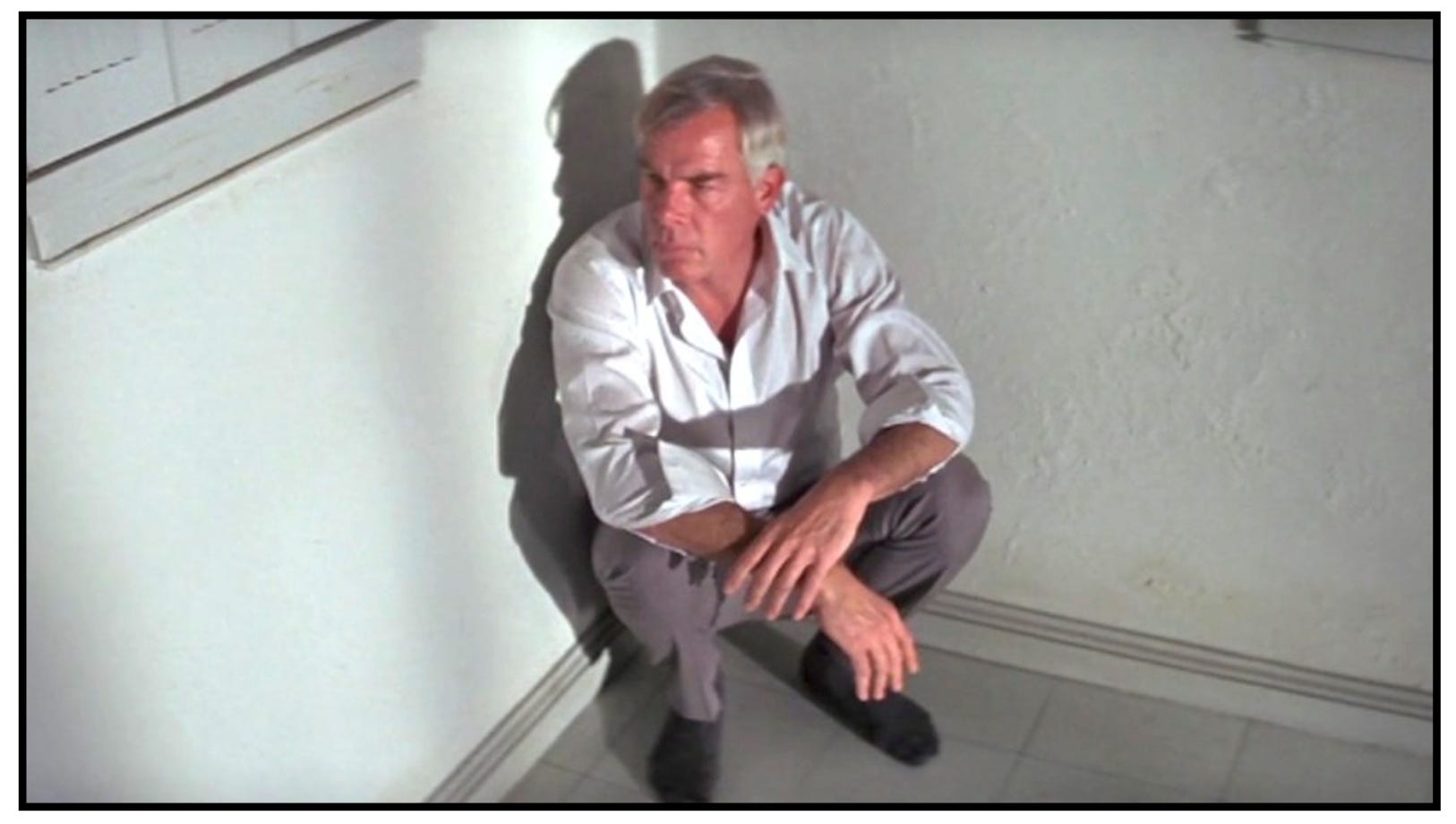
Lee Marvin plays Walker like a dead man walking; he’s an enigmatic mystery throughout the film. In fact, he never shares his first name with anyone in the film and oddly nobody ever bothers to ask Walker what his name is either.
One question I couldn’t stop asking myself while watching the film is why Walker is so fixated on getting his $93,000. What does he plan to do with the money once he does get it? Walker never shares these thoughts or any emotions other than his anger during the entire movie.
In fact, having watched Point Blank multiple times now, I think the more elusive Walker acts, the more fascinating he is in the film.
To me, what makes Marvin’s performance so memorable is the way he perfectly portrays Walker’s aloofness and his ability to remain stoic in many scenes by not showing the slightest bit of emotion or humanity.
A good example of this is the scene when Chris, fed up with Walker, begins hitting him over and over. Marvin just stands there and takes it while remaining totally emotionless. Eventually, Chris wears herself down and collapses on the floor in tears. Yet, Marvin’s Walker remains standing and as emotionless as ever.
Not only is Walker alienated from everyone around him, he’s also alienated from himself.
The Critical Reappraisal and One Major Detractor
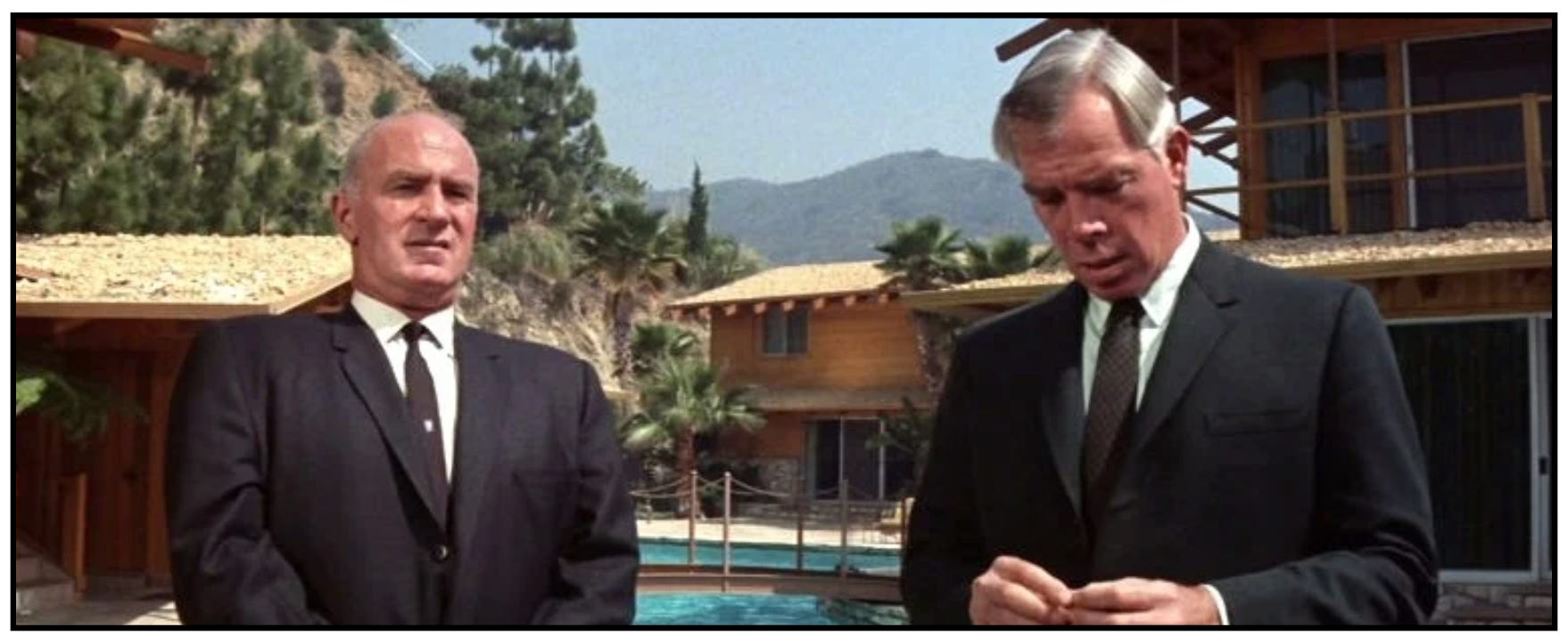
Today, modern critics see Point Blank as a dismantling of the crime genre, focusing on the theory that Walker never survived the gunshots in the film’s opening scene at Alcatraz.
Most critics now believe the theory that the film is the revenge fantasy of a dying man. They point to the dream logic and surreal touches that are found throughout the movie to support this claim.
Contemporary critics view Point Blank as the merging of the style of the French New Wave, specifically Alain Resnais’ Last Year at Marienbad, with the B-movies of American Pulp.
Boorman’s ability to merge the past and have it coexist with the present through intrusive flashbacks is now regarded as a brilliant example of subjective editing.
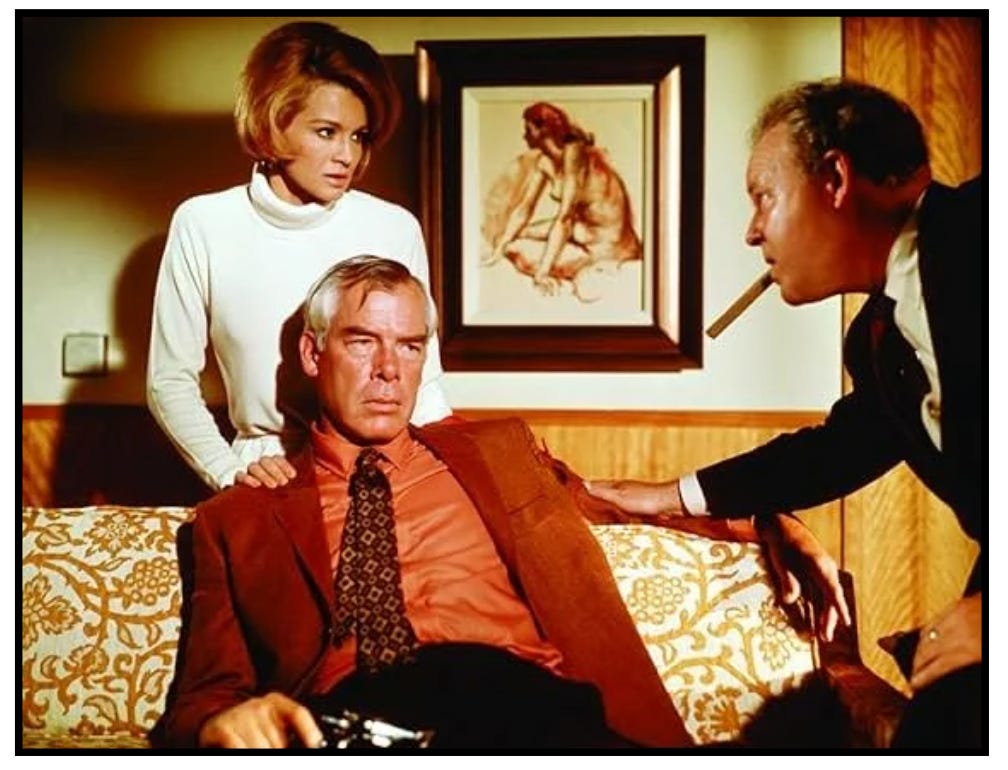
They also view the film as an updated version of noir. Instead of the old- fashioned characters and scenes found in classic film noir movies, Boorman has updated the genre so that the action takes place in the cold, modern landscape of L.A.’s skyscrapers full of bureaucrats working for a faceless corporation.
As Walker climbs the corporate ladder within “The Organization,” he ultimately learns that his true enemy isn’t a rival gangster like Reese; it’s the unfeeling system of a faceless corporation where no one uses cash or even has access to it.
Writing in Film Comment, critic and film historian Mark Harris perhaps says it best: “Grim, violent, elliptical, transfixingly sour and strange, it remains, 50 years later, a vital link between old and new, seeming at times like the tail end of classic noir, at others like the first sign of something fresh. It's a hybrid of American, British, and French influences that becomes very much its own thing.”
In contrast, director Quentin Tarantino isn’t a fan of the film.
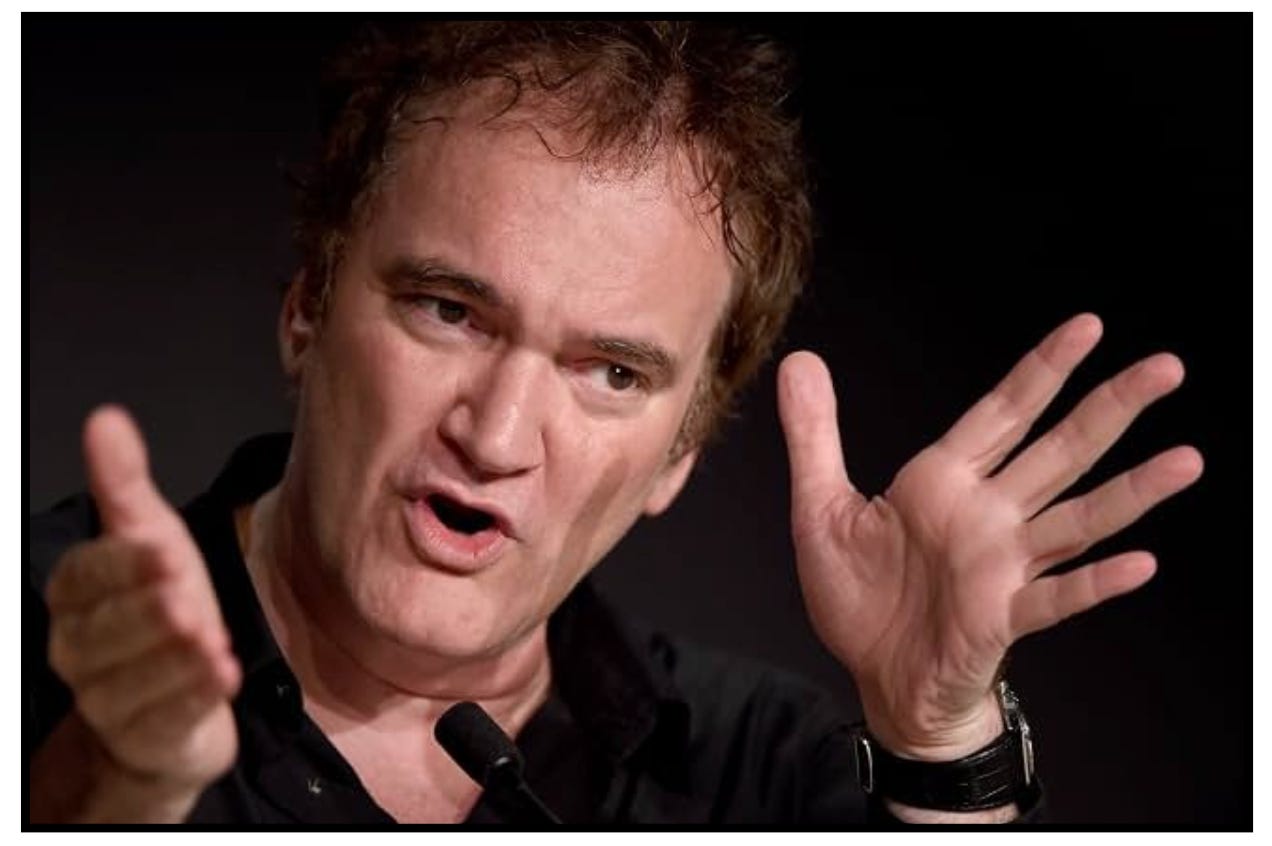
In his book, Cinema Speculation, Tarantino complains that after its show-off opening, Point Blank turns into an episode of sixties television.
Tarantino also complains about the cast, saying that Lee Marvin is unimpressive in the lead role and that everyone else in the film, many who regularly appeared on T.V. at the time, makes the entire film seem like an episode of the old television show Mannix (pages 123-130).
Besides disagreeing with Tarantino’s opinions on Point Blank, I find it ironic that he complains that some of the cast were regularly on T.V. After all, the two major stars of Tarantino’s break-out hit, Pulp Fiction, Bruce Willis and John Travolta, also got their start on television back in the 1970s and 1980s.
Could it be that Tarantino can’t accept the fact that Boorman first used the fractured storyline technique found in Pulp Fiction decades earlier?
The Answer to the $93,000 Question
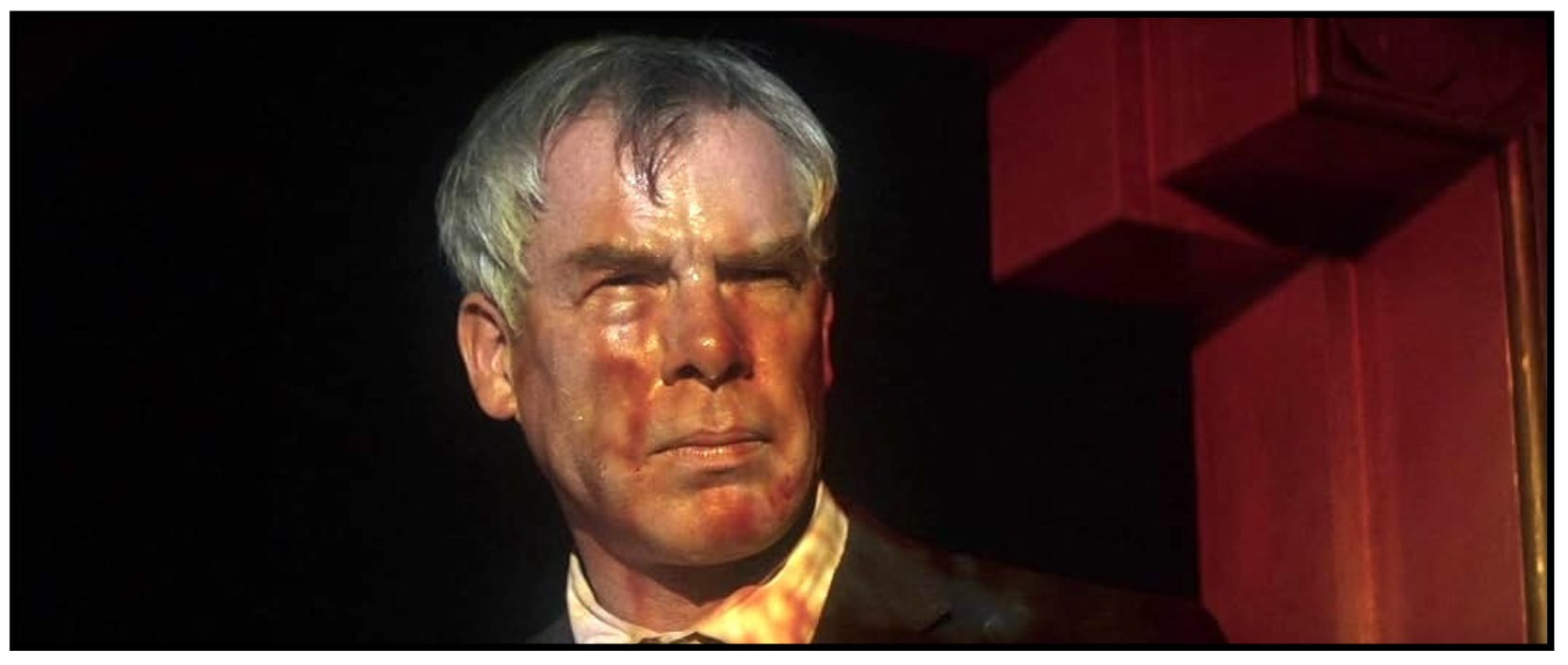
Today, Point Blank stands as the third essential film of 1967, right alongside Bonnie and Clyde and The Graduate, and you can trace its fingerprints through more contemporary films like The Limey, Drive, and John Wick.
But the question remains: did any of it actually happen?
I believe Walker dies in the Alcatraz prison cell, betrayed and shot multiple times in the opening minutes of the movie. Consequently, everything that follows is exactly what the vanishing furniture, Yost’s recurring guardian angel, and the dream logic keep telling you it is: a dying man’s last fantasy about getting revenge on those who wronged him. But what a fantasy!
Almost 60 years after its first theatrical release, Point Blank remains a movie to be reckoned with.
If you enjoyed this article, you might like these other posts too:


Nice article, complete. The Parker name had to be changed because Westlake was not going to turn over the rights to the studio. He created Parker and wanted to continue to control the character. The Outfit and Payback, no Parker, but if you have read the books, the protagonist is Parker. The Westlake estate allowed Parker to be used for Statham’s Parker after Westlake had passed.
I too, after multiple viewings believe Walker never makes it off Alcatraz. It’s a fever dream of the revenge he would take if he was able to live.
I like movie and I like how Boorman shot and edited it. Marvin does look sleepy or out of it at times, but this is all going on while he’s dying so, to me, it blurs line between fever dream and the reality of death, his death approaching.
I love Tarantino the writer and director, but his need to be the final word on every movie is not for me. He’s entitled to his opinion just as anyone else, but he’s not the final word and I dislike the fact that his ego allows him to believe that he is.
This is excellent