
Sex and Sweat: Body Heat
Revisiting Lawrence Kasdan's directing debut 45 years later.

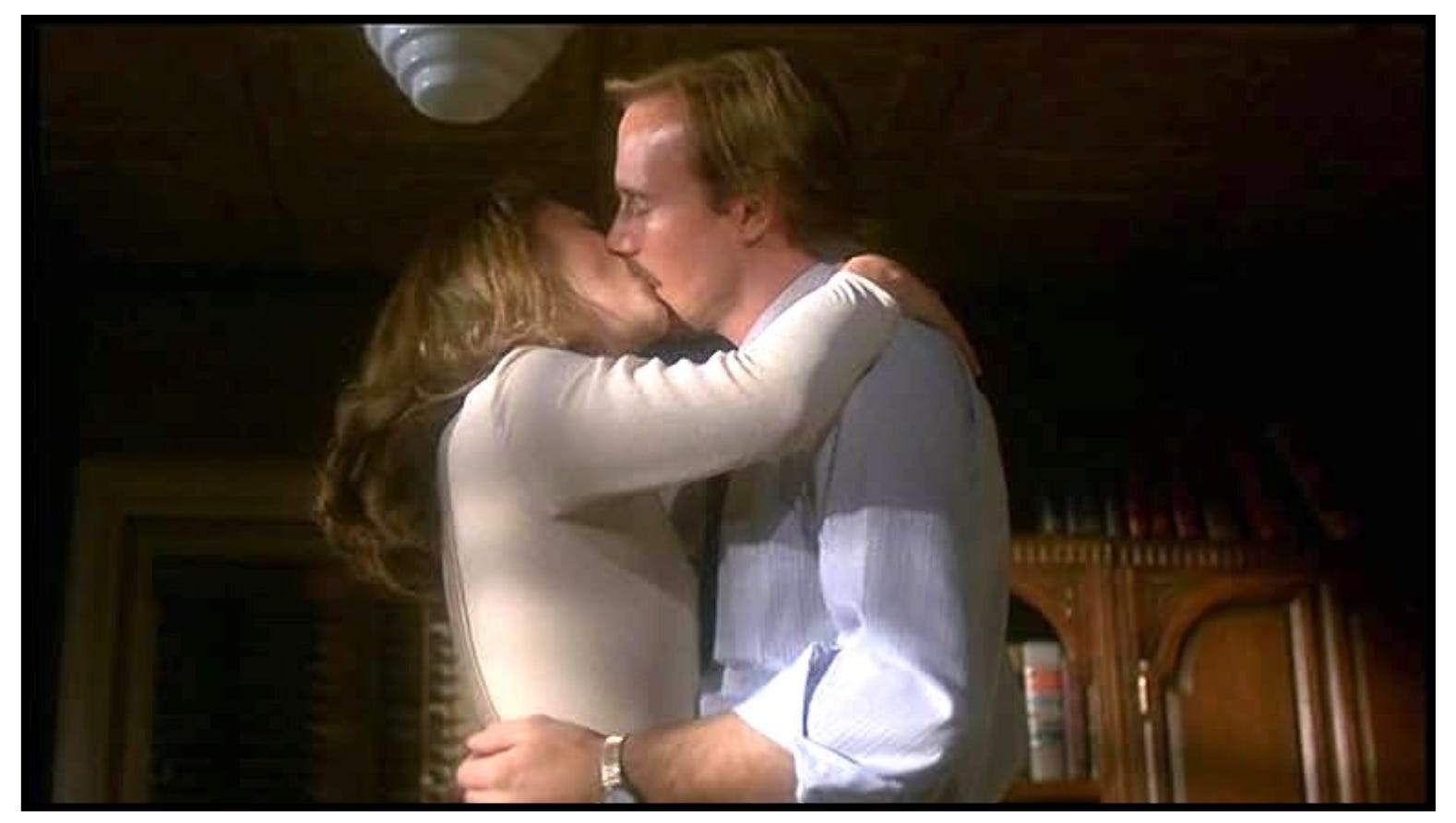
In 1981, two new film noir movies were released a few months apart.
One would go on to become a critically acclaimed film and box-office hit that would continue to thrive decades after it was released in the theaters; the other was considered an artistic failure, even though it made money at the box-office.
Of course, I’m talking about Bob Rafelson’s disappointing remake of The Postman Always Rings Twice and Lawrence Kasdan’s debut as a director, Body Heat.
First released in August of 1981, Body Heat only opened in a handful of theaters nationwide, but as word spread about the movie, the film grew what is called “legs” in the business, gaining more viewers and earning a significant amount of dollars at the box office week by week throughout that fall.
Later, the film gained even more fans when it played regularly on cable television and was eventually released on home video.
Now, in 2026, Body Heat is widely regarded as one of the best erotic thrillers of the 1980s. In fact, a few months ago Criterion released the definitive version of the film in a brand-new 4K Blu-ray edition, complete with lots of extras.
So why has Body Heat continued to find new audiences for the past 45 years? What is the enduring appeal of this movie?
Body Heat has a great script.
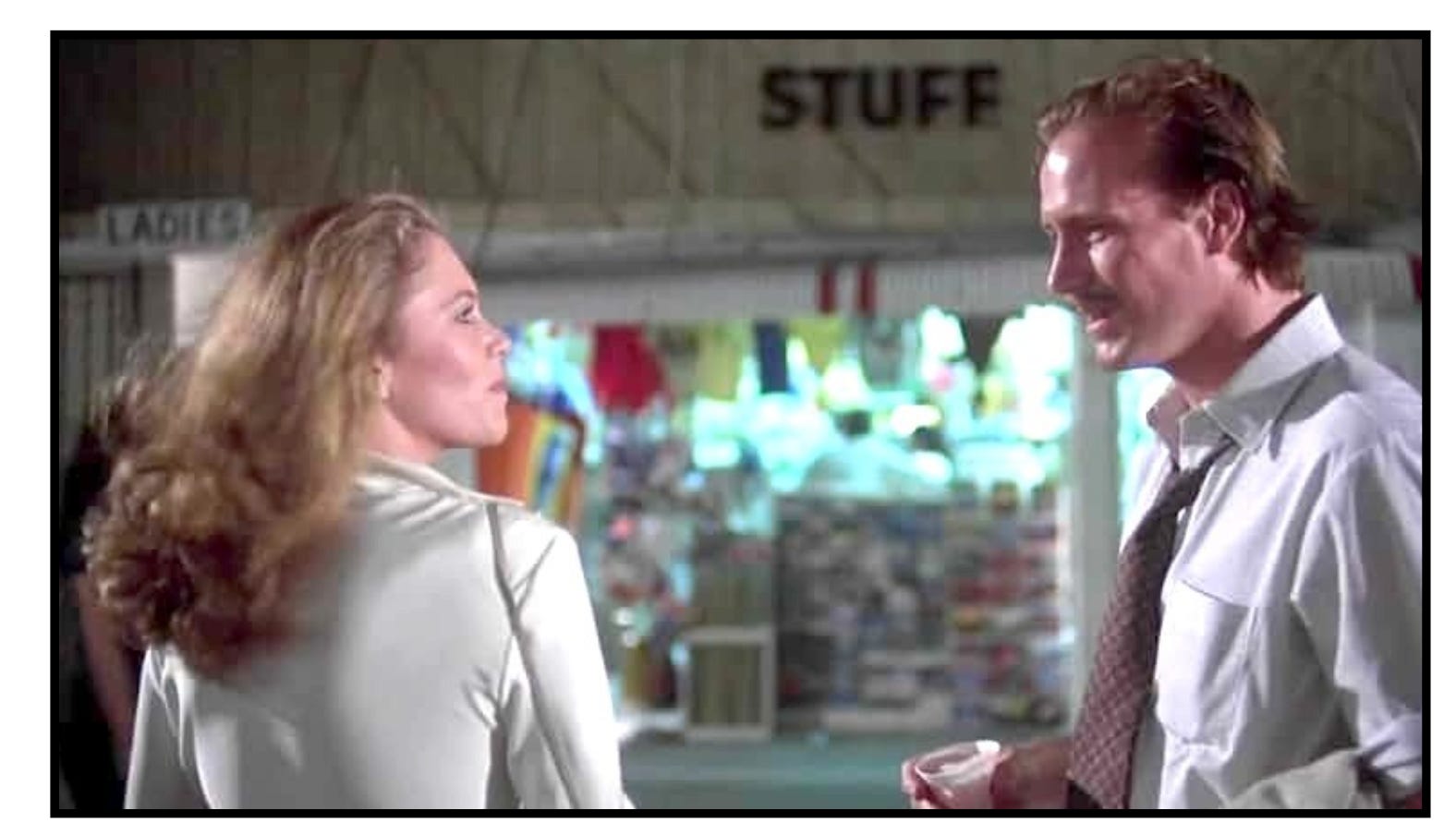
I think one of Kasdan’s strengths as a writer is that he has a deep understanding of genre and how genres can be subverted in order to make his scripts seem fresh and original.
For Body Heat, Kasdan leans into the conventions of film noir by grounding his story with interesting characters and logical plot points.
For example, in the opening scenes we learn that Ned Racine is not only a womanizer but also a somewhat lazy and mediocre lawyer. When Racine meets Matty Walker for the first time, she says, “You’re not too smart, are you? I like that in a man.”
And, of course, as the movie goes on, it will become clear that Ned isn’t too smart, even though Matty Walker has led him to believe that killing her husband was his own idea.
Kasdan has modeled Matty after the femme fatale archetype of classic film noirs like Barbara Stanwyck’s Phyllis Dietrichson in Double Indemnity, who uses her body to destroy a man and get rich. In the 1940s, the Hays Code prevented director Billy Wilder from being explicit in Double Indemnity, so he had to rely on subtext and euphemisms to make his point.
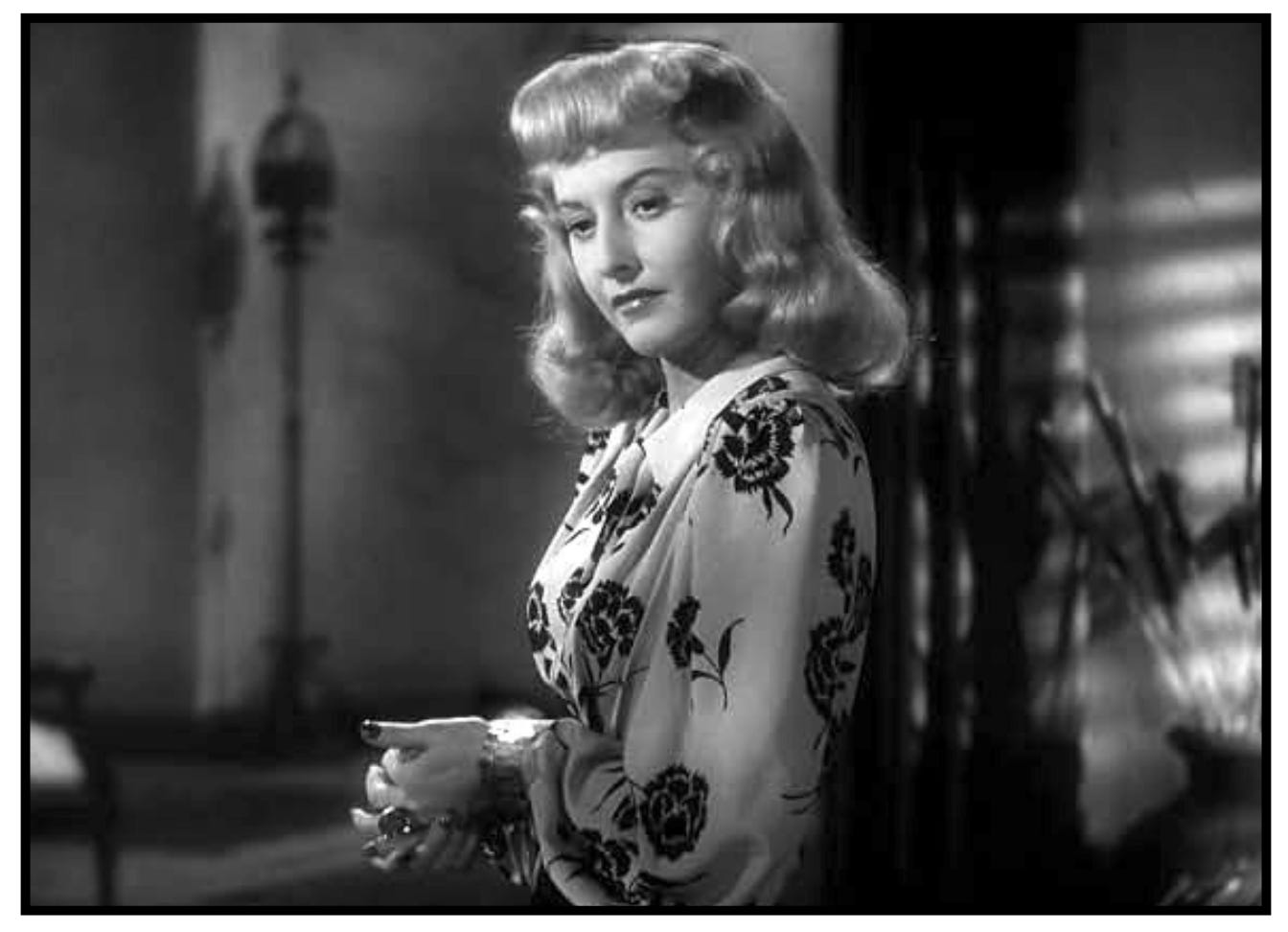
In contrast, in 1981 when Body Heat was released, the Hays Code was no longer in effect, so Kasdan is free to show explicit nudity and sex on the screen.
However, the underlying power dynamics remain the same as in 1940s film noir: an independent, ambitious, sexually active woman is a treacherous threat to a man. It’s a very conservative male point of view that was born out of postwar male anxiety regarding women entering the workforce and gaining autonomy.
Updated for the 1980s, here, just as in Double Indemnity, Matty’s entire strategy depends on leveraging her sexual appeal to exploit Ned’s lust and to use Ned to use violence (killing her husband) so she can acquire great wealth by inheriting his estate.
Unfortunately for Ned, he doesn’t understand he’s being used until it’s too late.
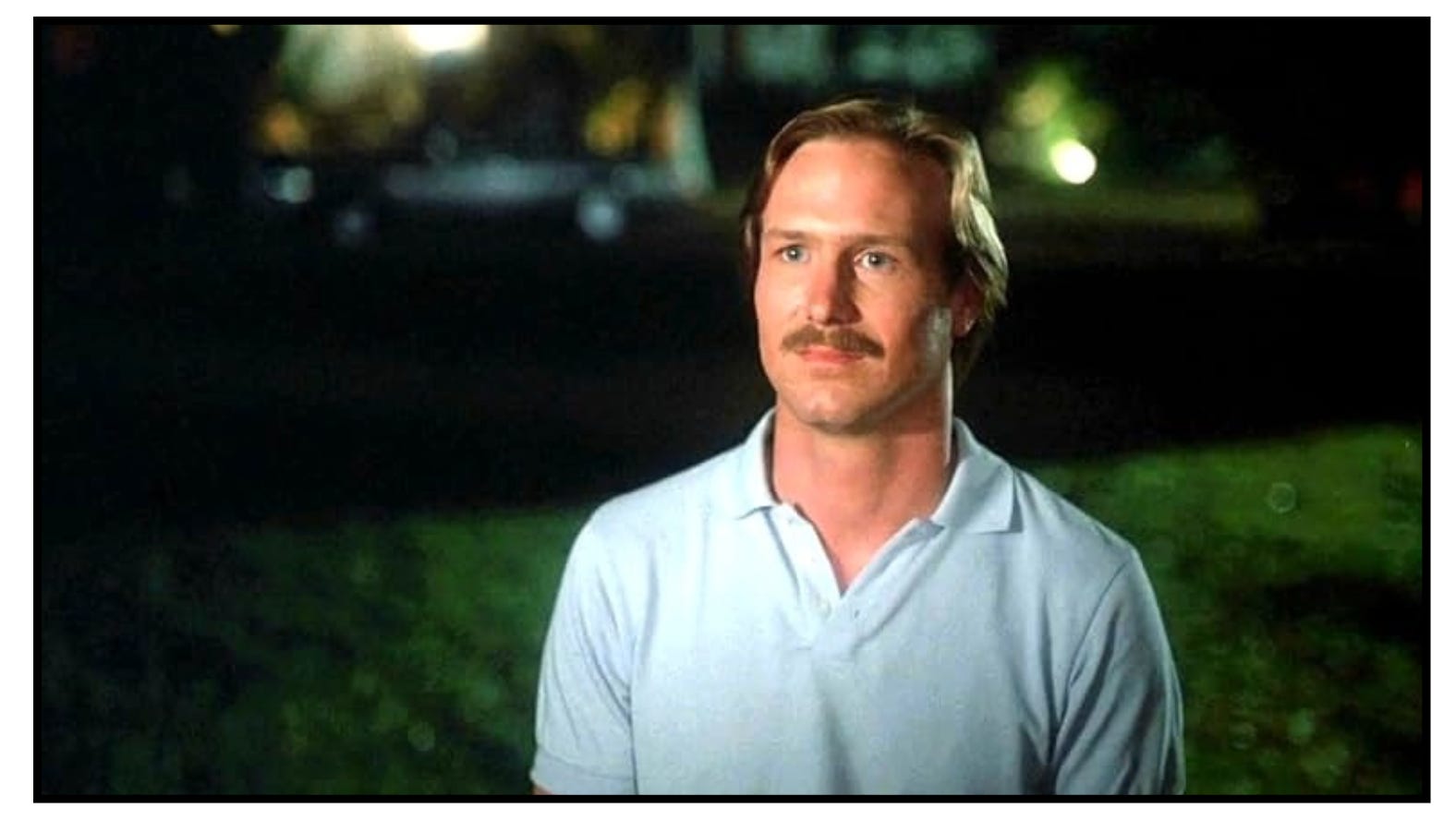
What Ned doesn’t realize until the end of the movie is that Matty isn’t just smart, she’s a master manipulator who knows how to bend others to her will. Or, echoing the catchphrase her husband shares about successful businessmen, she’s willing to do what’s necessary in order to succeed and get what she wants.
The other supporting characters in Body Heat are clearly defined as well, especially Ned’s two friends: Peter Lowenstein, who sees through Ned’s actions early on, and Oscar Grace, who likes Ned but lives by a strict code of right and wrong.
Kasdan also sets up the idea that Ned doesn’t have a problem being friends with convicted criminals, specifically ex-con Teddy Lewis, whom Ned consults on how to rig the explosive device Ned will use to commit arson after he kills Matty Walker’s husband.
All three of them constantly challenge Ned’s actions and warn him about Matty Walker, but Ned never listens. They see the trap Matty Walker is about to spring on Ned and we as the audience see it too, but Ned is too egotistical and full of lust to realize what’s about to happen.
There is also one more important character in the film: the heat.

From the start of the movie, not only does everyone comment on the heat (or in Ned Racine’s case, his constant requests for people not to talk about the heat), we see the effects of the hot temperatures on the characters’ glistening faces and sweat-drenched clothes, while the whirring sound of overworked ceiling fans and air-conditioners operate in the background. Even the sound of the wind chimes on Matty Walker’s balcony gives the illusion of a breeze when actually none exists.
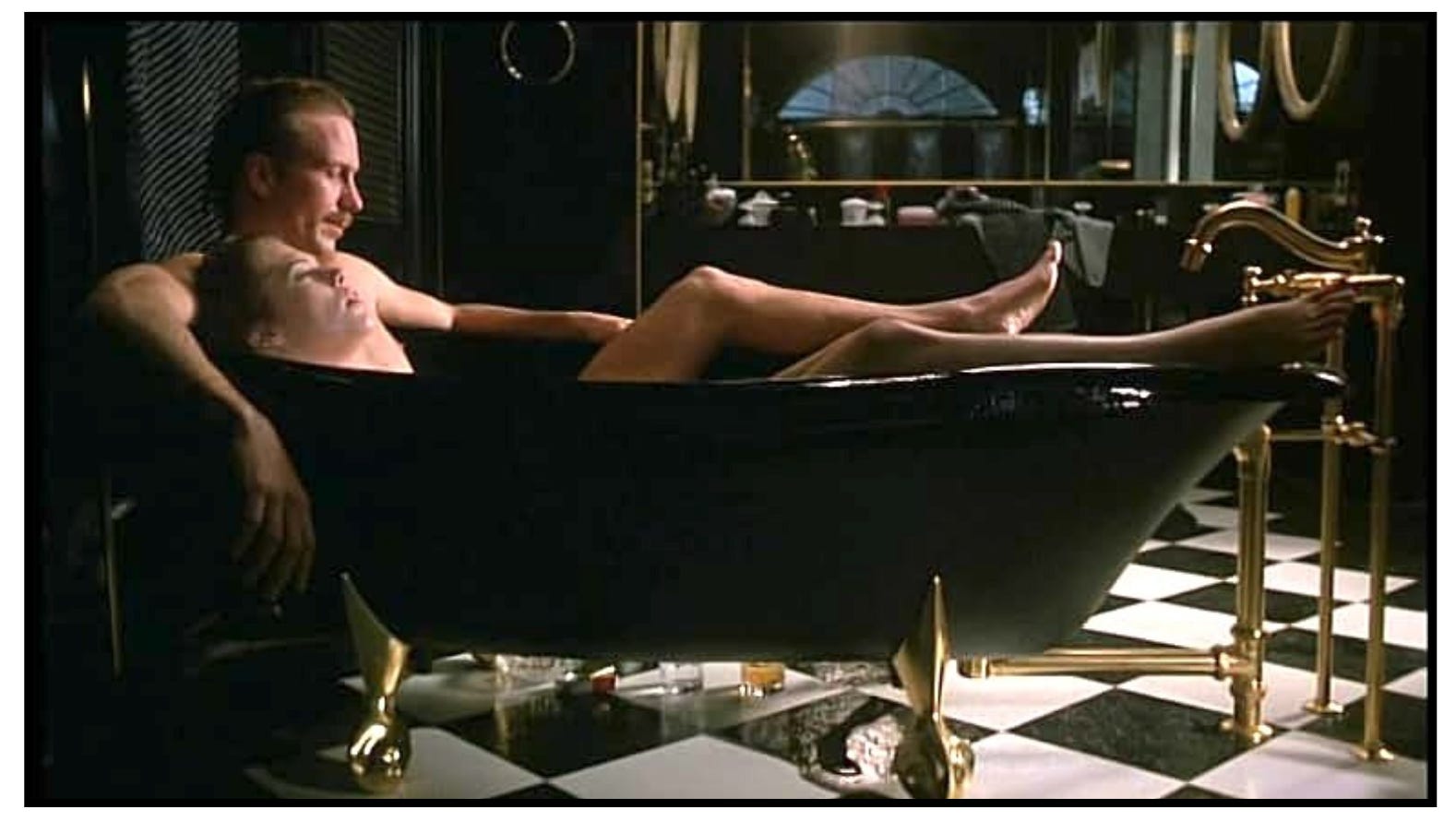
For Ned and Matty, their burning passion for each other is made even more erotic by their sweat-drenched encounters, not just in the bedroom but also on the floor of a boathouse or in a bathtub where even dumping trays of ice in the water can’t cool them off.
The heat also affects Ned’s behavior, making him more susceptible to Matty’s seduction and eventual suggestive hints that prod Ned to murder her husband.
As Ned’s policeman friend Oscar notes, “It’s the crisis atmosphere. People dress different, feel different, sweat more. They wake up cranky and they never recover. Things are just a little askew. Pretty soon people think the old rules aren’t in effect. They start breaking them. Figure no one’ll care, ‘cause it’s emergency time.”
Although Matty sweats during the sexual encounters in the film, in her daily life she’s the only character not affected by the heat. In fact, in an interesting character trait, when Ned shakes Matty’s hand for the first time and notices how hot she is to the touch, he asks her if she’s all right. Matty replies, “Yes. My temperature runs a couple degrees high. Around 100 all the time. I don’t mind it. It’s the engine or something.” Perhaps this should’ve served as a warning to Ned to stay away, but he doesn’t, of course.
One of the strengths of Kasdan’s screenplay is the way he sets up his plot points logically in the early part of the movie, setting things up in advance for payoffs that happen later in the film.
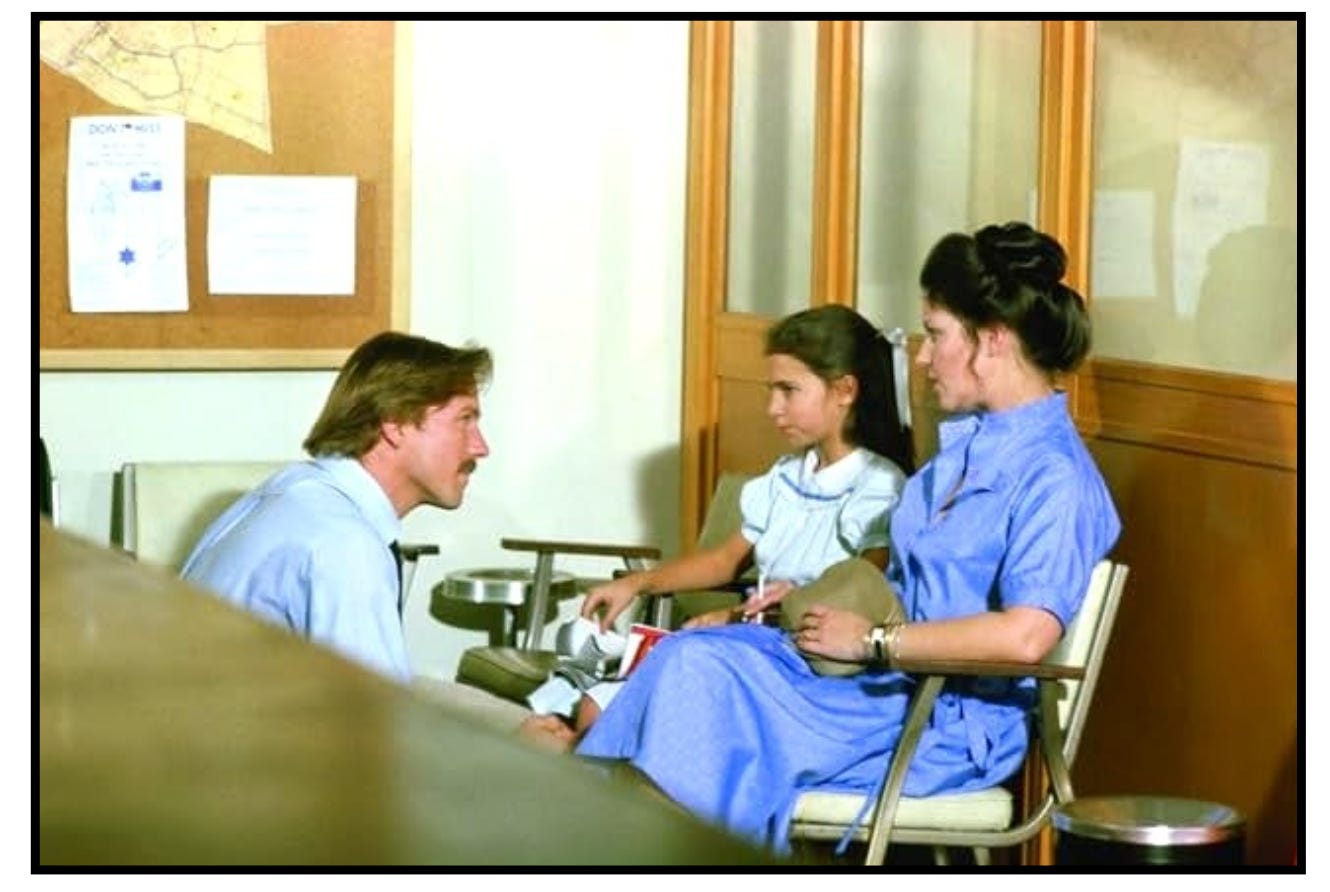
This is especially true for the sequence involving the will after Ned has killed Edmund Walker. Early in the film it’s established that Ned isn’t a competent lawyer; he’s mediocre at best. Later, after he begins his affair with Matty, she tells him about Edmund’s will and asks if it could be changed. Of course, he tells her no, stating that nothing odd can happen in Edmund’s life (or theirs) since they’re going to kill him.
However, after Edmund’s death, Ned receives a phone call from Edmund’s lawyer in Miami in order to talk about the new will. Ned, of course, knows nothing about this, and it’s the first sign that he’s being setup by Matty to take the fall for her husband’s murder.
During a meeting with everyone involved in the case, Edmund’s lawyer reveals that the new will violates a legal rule called “the rule against perpetuities.” This rule stops people from controlling property from the grave, requiring future gifts to be finalized within a living person’s lifetime plus 21 years.
The lawyer says that he learned that Ned previously had made the same error in another will Ned wrote for a previous client. Because of this, the new will is considered void and Matty will inherit everything, even though her late husband Edmund wanted his estate split between Matty and his young niece, Heather.
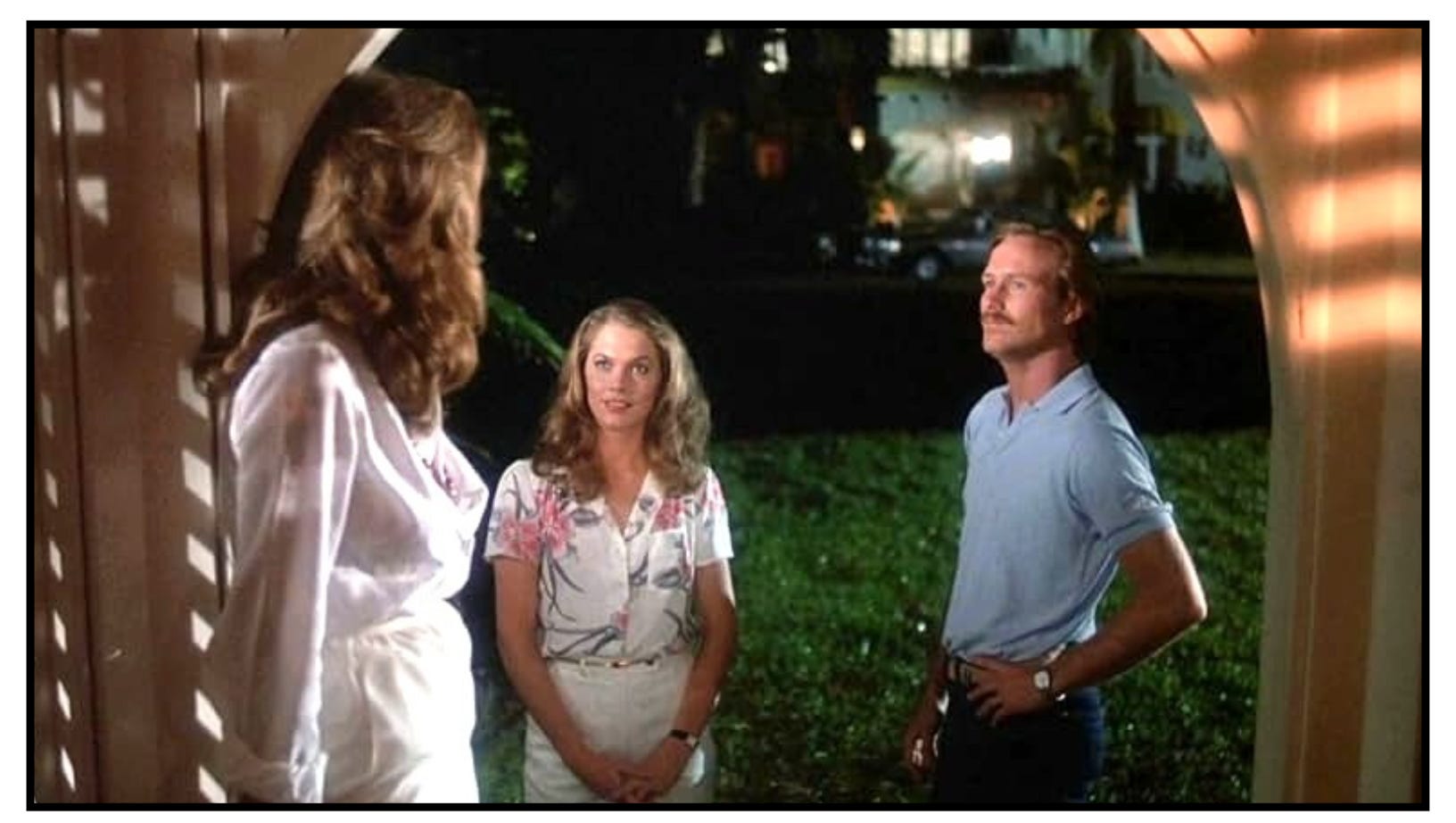
A great plot point in the film is the introduction of Matty’s friend, Mary Ann Simpson. One night, Ned arrives at Matty’s house and sees a woman dressed in white with her back turned to him in the estate’s gazebo. Naturally, Ned assumes she is Matty. As Ned approaches her, he shouts out, “Hey lady, wanna f-?” However, when the woman turns around it’s not Matty but someone else, yet she and Matty look very much alike. Matty appears and says Mary Ann is “an old friend” and is “just passing through” as she hands Mary Ann a thick envelope, presumably filled with cash.
This scene plants the seed for the twist ending of the movie and makes it much more plausible.
Finally, no film noir would be complete without the witty banter between the characters. In the old days of Hollywood, screenwriters had to use euphemisms because of the Hays Code, which limited how graphic sexual dialogue and scenes could be in movies. However, in 1981 Kasdan wasn’t limited by these rules which were no longer enforced.
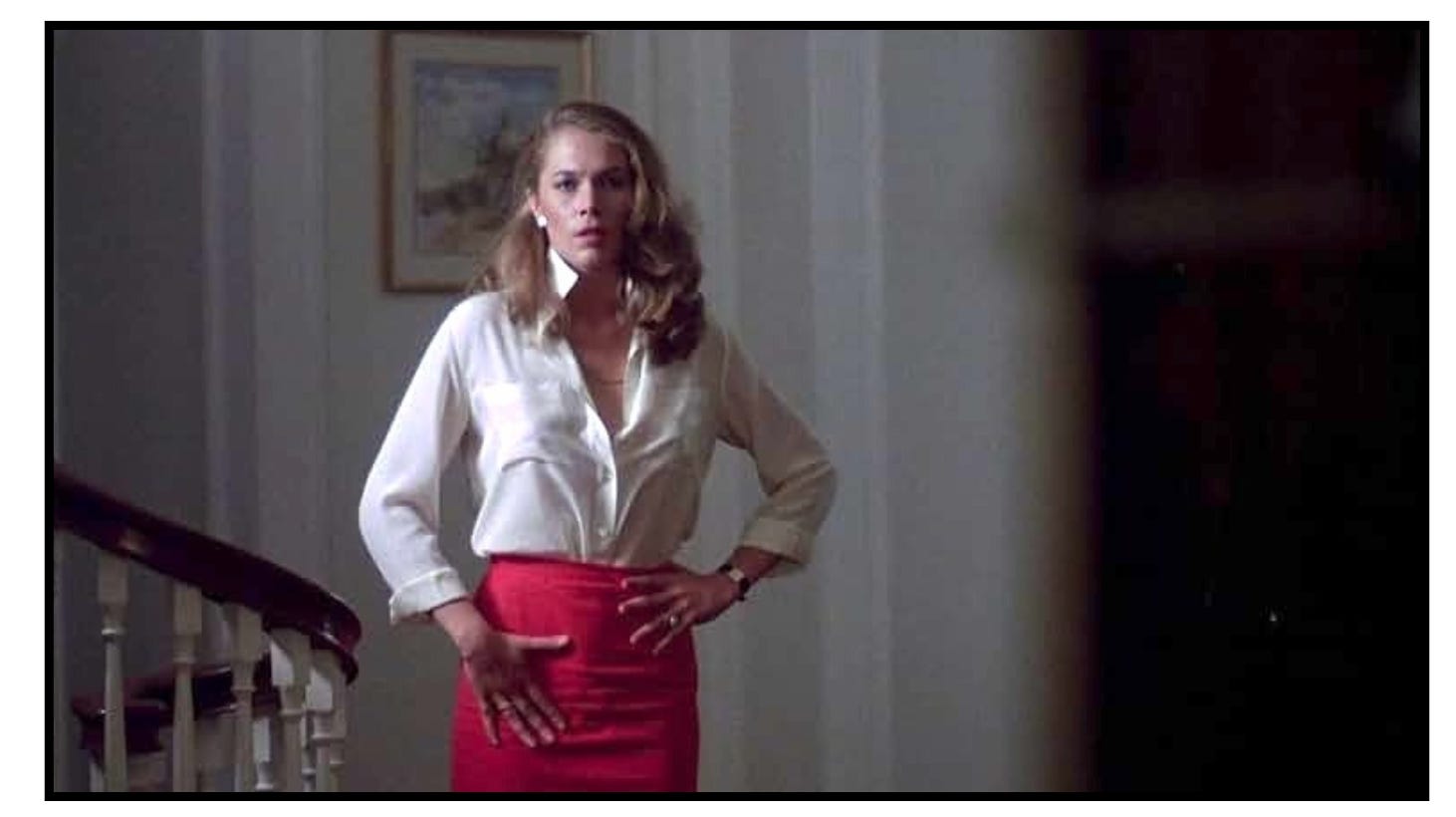
Set free of these restraints, Kasdan still retains the rhythmic flow of witty banter found in classic film noirs, often using it to also reveal aspects of the characters and the themes of the movie.
For example, when Ned is listening to the big band perform an old tune at an outdoor concert, Matty gets up and walks down the aisle towards him, going over to the pier and leaning on the fence. Aroused, Ned goes over to her and begins a conversation, only to have Matty say, “I’m a married woman.” Ned replies, “Meaning what?” Matty says, “Meaning I’m not looking for company.” Ned quips, “Then you should’ve said I’m a happily married woman.” Matty instantly replies, “That’s my business.” Ned asks, “What?” Matty says, “How happy I am.”

Another memorable exchange happens between Ned and his former client, ex-con Teddy Lewis, brilliantly played by Mickey Rourke in his first major screen role. After Teddy explains how to rig the detonator so Ned can use it in his arson, Teddy asks Ned what he’s doing messing with this and says: “Are you ready to hear something? I want you to see if this sounds familiar: Any time you try a decent crime, you got fifty ways you're gonna f-k up. If you think of twenty-five of them, then you're a genius... and you ain't no genius. You remember who told me that?”
Once again, not only is Kasdan’s dialogue here clever, it also reveals character at the same time. This, along with the careful plotting that lays the groundwork for what happens in the last part of the film, is what elevates this script to a higher level of craftsmanship and quality.
Body Heat continues to appeal to moviegoers today because of the strong performances by the cast.
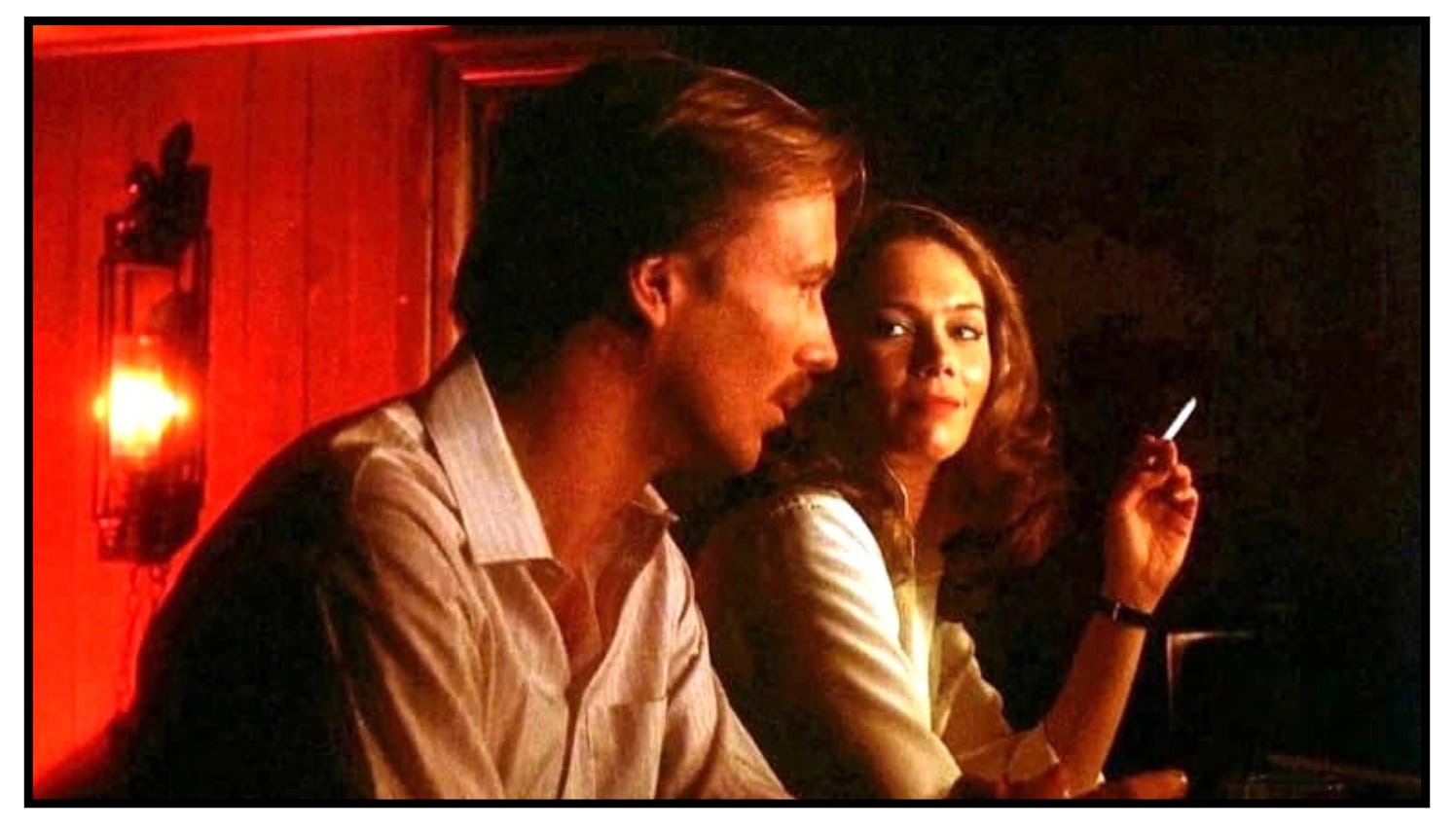
Kathleen Turner had never made a movie and was mostly unknown except for doing off-Broadway theatre in New York City and appearing on the soap opera, The Doctors, before eventually landing the role as Matty Walker.
Her performance in the film is not only an amazing Hollywood debut, but also a career-defining role due to the sultry sensuality she brings to the part.
William Hurt had only made Altered States and Eyewitness before Body Heat was released in August of 1981. He deftly portrays Racine as a womanizing, mediocre lawyer with a self-inflated ego.
Racine firmly believes he’s the smartest guy in the room when in reality he’s a fool who should know better. Unfortunately, Racine doesn’t realize he’s being set up to take the fall until it’s too late. Hurt’s layered performance lets us sympathize with the character, even though we know he really deserves what’s coming to him.
Together, Hurt and Turner have an on-screen chemistry that we don’t always see in movies.
The supporting cast is great too.
Both Richard Crenna and J.A. Preston were seasoned actors before appearing in the film. They were offset by two newcomers whose performances here helped further their careers. Mickey Rourke had only been briefly seen in the movies 1941 and Heaven’s Gate before getting cast as ex-con Teddy Lewis, in the film. And Ted Danson only had a small role in The Onion Field and was doing guest roles on TV shows before he was cast as Lowenstein in the film.
Body Heat has enduring appeal because it’s a very well made film.
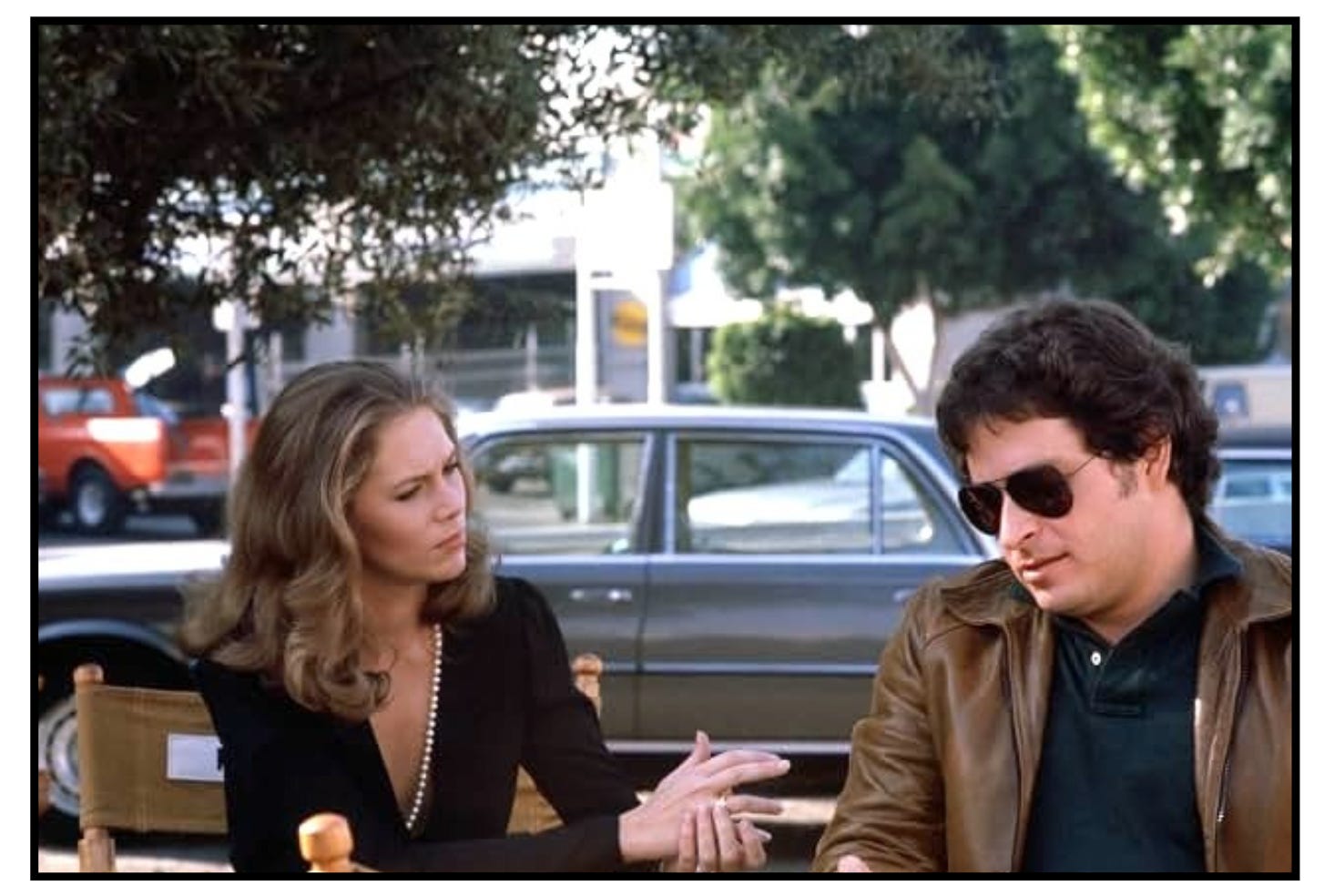
Watching Body Heat, you would never guess it’s the first film by writer turned director, Lawrence Kasdan, who was only 32 years old at the time.
After attending the University of Michigan and winning multiple awards for his short stories and plays, Kasdan spent the next five years working as a copywriter in Detroit and writing screenplays in his free time.
After moving to Los Angeles, Kasdan’s script, The Bodyguard, was eventually sold to Warner Brothers. Later, another script called Continental Divide was sold to Universal. Interestingly, both films wouldn’t be made right away. After a long period of development, Continental Divide wasn’t released until a few weeks after Body Heat in 1981. It was directed by Michael Apted and starred John Belushi and Blair Brown. The Bodyguard took even longer to be made. It wasn’t released until 1992 and starred Kevin Costner and the late Whitney Houston.
Director Steven Spielberg was so impressed with Kasdan’s script for Continental Divide that he had George Lucas hire Kasdan to write Raiders of the Lost Ark. Later, after writer Leigh Brackett died, George Lucas hired Kasdan to rewrite and expand her original script for The Empire Strikes Back.
After writing these two blockbusters, Kasdan became the hottest screenwriter in Hollywood.
Using his newfound status, Kasdan would only sell his latest script, Body Heat, if he could be attached to direct it. George Lucas helped by highly recommending Kasdan for the directing job (even though Kasdan had never directed a movie before), and put up $250,000 as a guarantee should Kasdan go over budget.
What makes Kasdan’s directorial debut so self-assured is not only his great script for the movie, but his ability to coax great performances from his entire cast and his uncanny ability (especially for a first-timer) to pay close attention to detail on every visual aspect of the film.
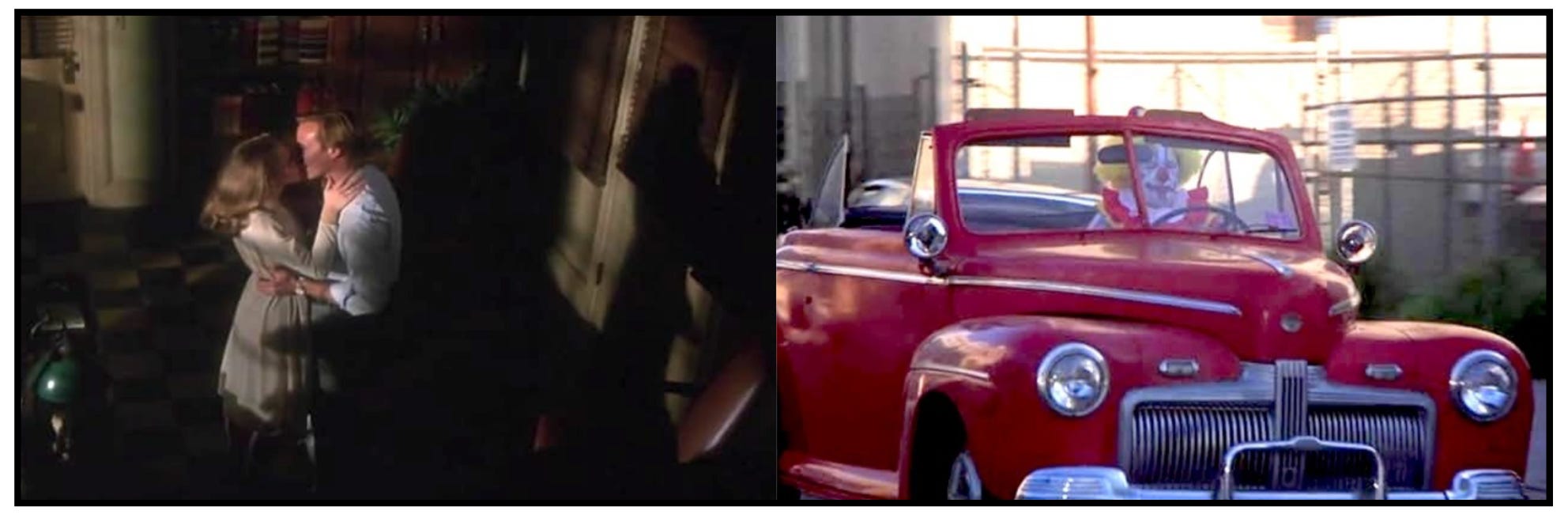
Kasdan also adds some nice visual touches such as the slow zoom shot in Ned’s office as he and Matty first discuss killing her husband. One of my favorite visual moments in the film is when Ned sees a clown drive by him on the street as he pretends to be in Miami as an alibi for his upcoming murder of Matty’s husband. Ned’s reaction to the clown is a mixture of shock and the gnawing suspicion that maybe he’s being played.
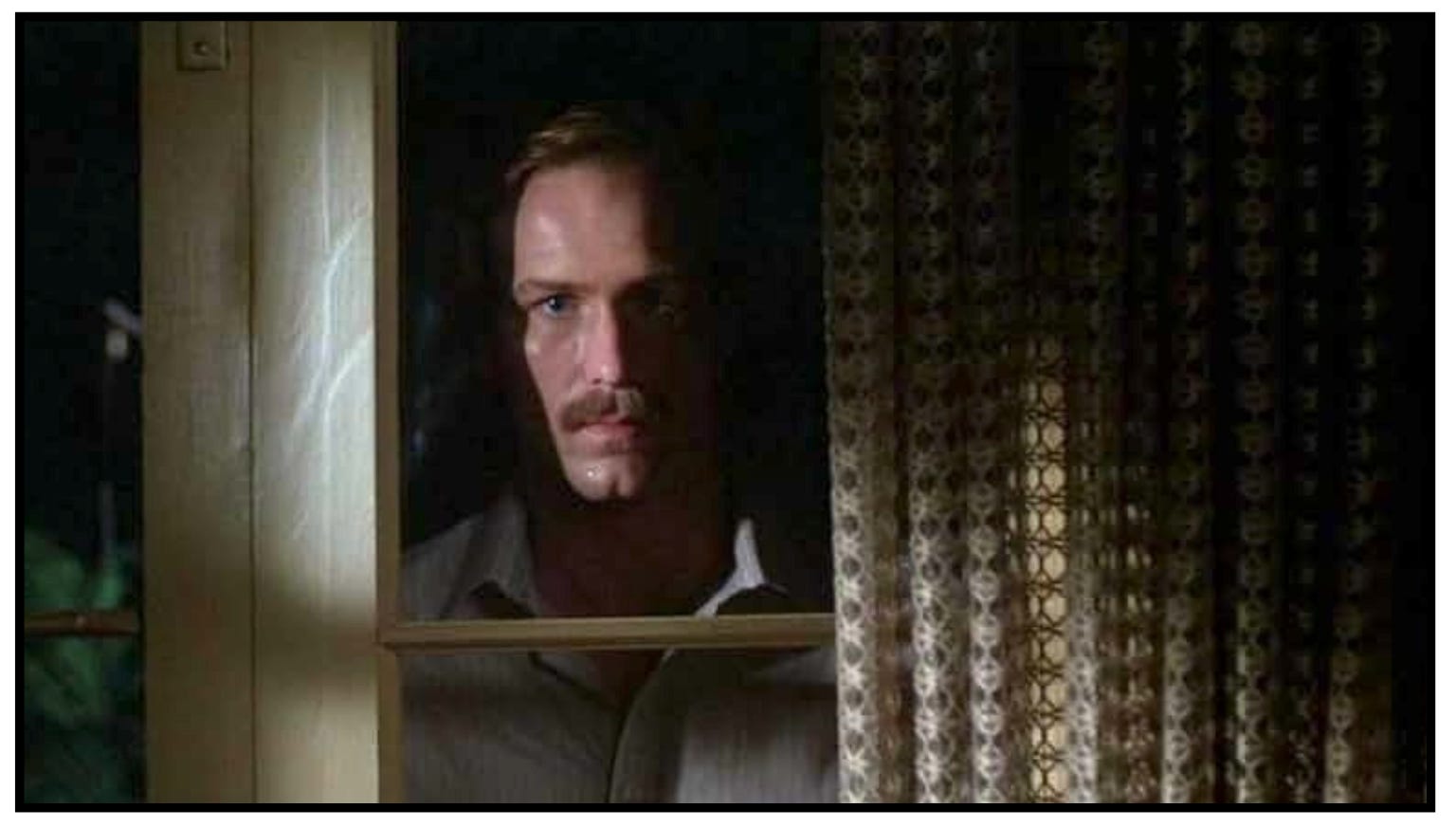
Working with his cinematographer, Richard Kline, Kasdan also infuses Body Heat with shadows and reflections to create a claustrophobic visual language where characters (especially William Hurt as Ned Racine) are trapped in frames within frames, such as doorways, window panes, or even porch screens.
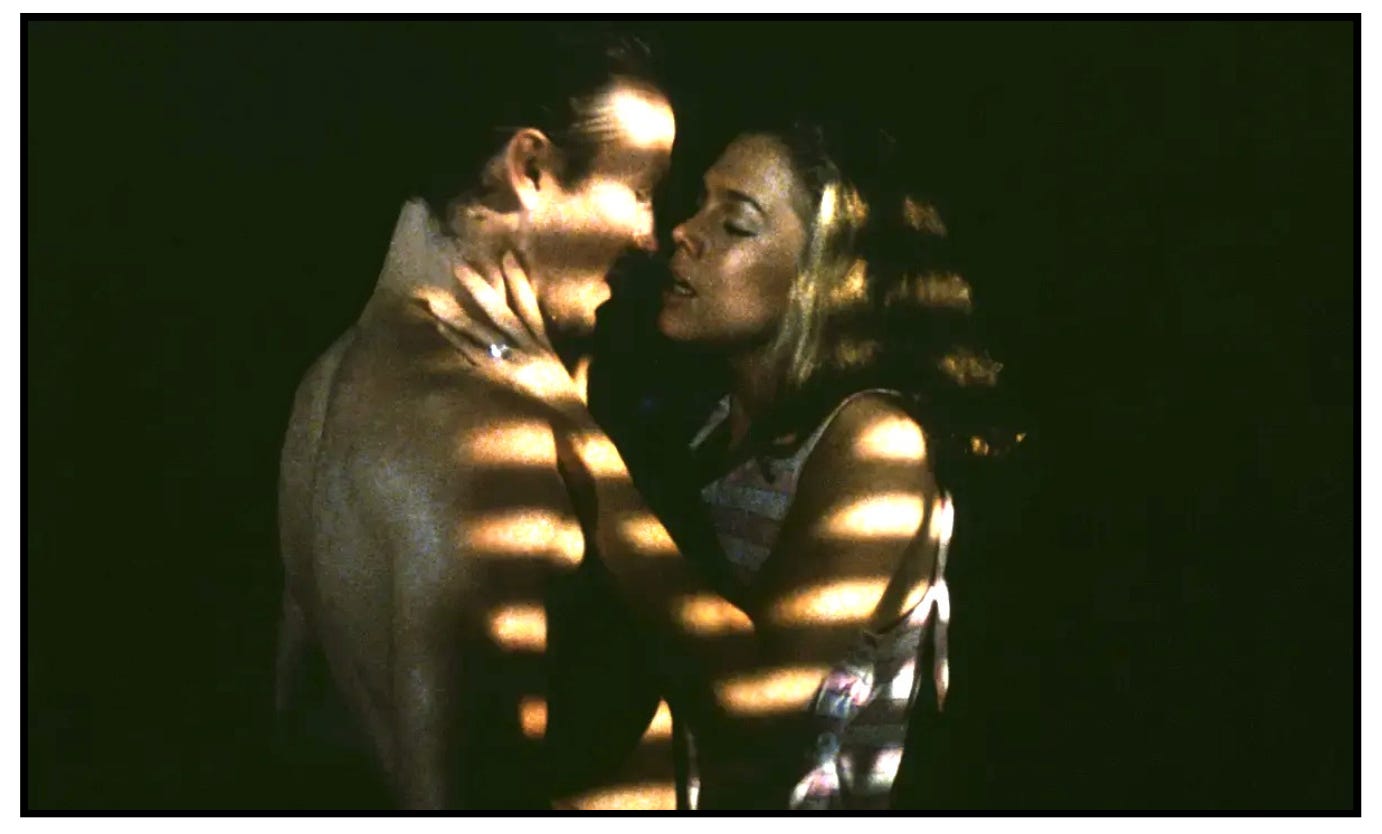
Production designer Bill Kenney also makes significant contributions to the film by adding touches from old-style film noirs to the movie, such as the whirring ceiling fans, wooden blinds in Ned’s office, and even the old-fashioned bathtub Ned and Matty use together.
I don’t think the movie would work without John Barry’s score for the film. The main musical motif consists of a slow-tempo jazzy saxophone backed by sinister- sounding strings. The sultry-sounding sax theme conjures up the scores for film noirs of the past, but adding an orchestra behind it playing dissonant harmonies helps add tension to the score and keeps the audience on edge.
John Barry and Kasdan also conjure up memories of the past by having Ned first meet Matty at an outdoor big band concert. As Matty gets up from her chair and deliberately walks past Ned to stand alone at the pier, the big band plays Sammy Fain and Lew Brown’s classic song, “That Old Feeling,” which is a nice touch, as is the use of Bob Seger’s “Feel Like a Number” for the scene where Ned goes to meet ex-con Teddy Lewis to learn how to set up the explosive device he’ll use for the arson. In fact, the Seger song is the only time we hear modern rock music in the film.
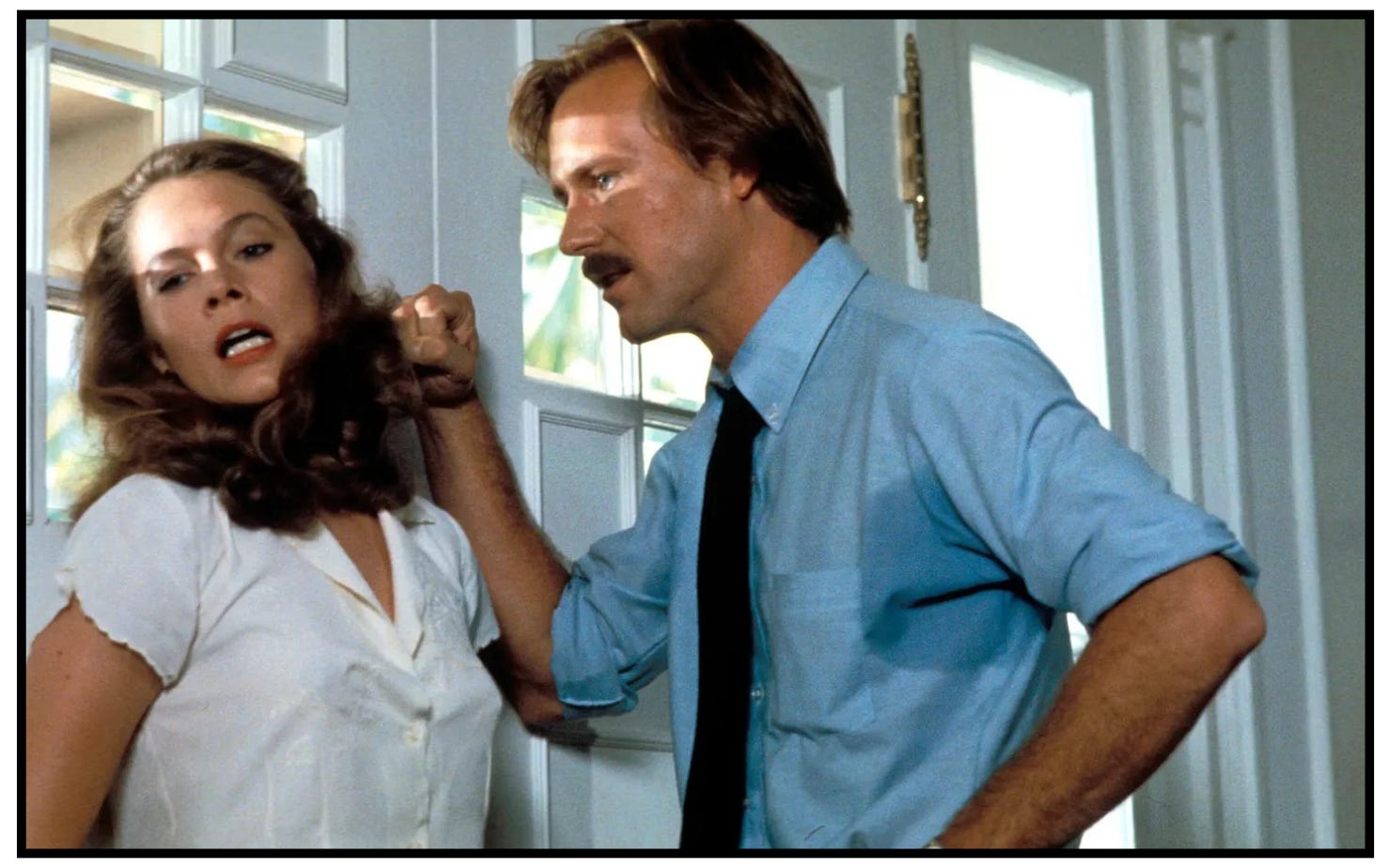
Veteran editor Carol Littleton also uses her skills to help shape Body Heat into a memorable film. Throughout the movie, Littleton cuts the movie so that the camera is tightly focused on Ned’s subjective point of view. Littleton also deliberately manipulates the pacing of the film, letting scenes in the first half of the movie play out slightly longer than necessary to mirror Ned’s fever-dream state once he becomes involved with Matty Walker. When violence occurs, such as Ned throwing the chair through the glass door or the murder of Matty’s husband later in the film, Littleton uses fast cuts that can be jarring for the viewer. Littleton also uses sound cues, especially shots of the wind chimes, effectively throughout the movie as well.
In short, everyone involved in the making of Body Heat was at the top of their game and helped turn the film into a hit and, I would argue, a modern masterpiece of film noir.
Body Heat is the type of film Hollywood no longer makes (but should).
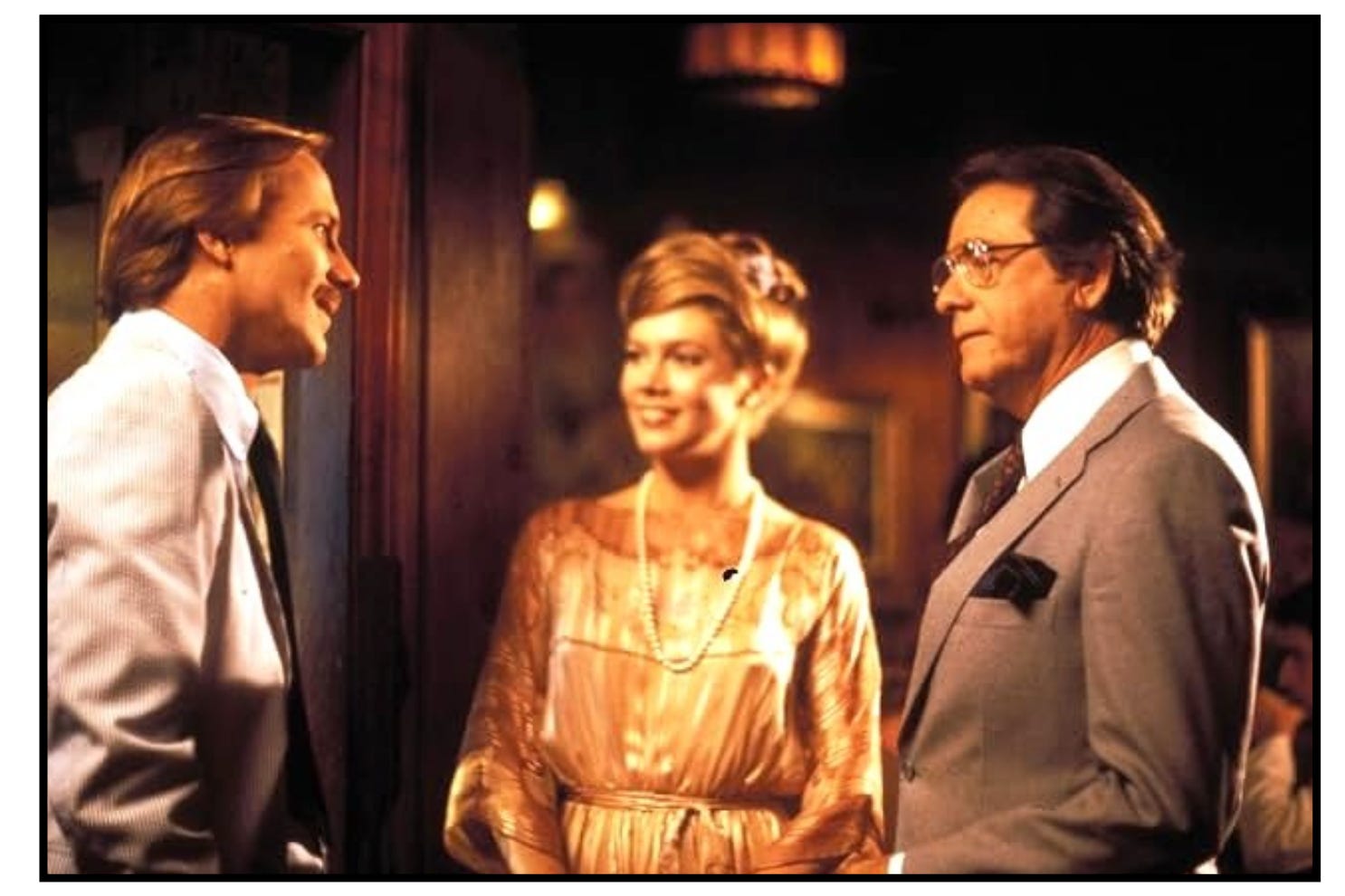
Body Heat had a modest budget of $9 million and was filmed over the course of two and a half months. Originally, the story was set on the New Jersey shore, but when an actors’ strike delayed production it was already winter there with snow on the ground, so Kasdan and the producers decided to film it in Florida instead. Now, I can’t imagine the movie taking place anywhere else.
When it was released in August of 1981 (in only 34 theaters), the film received great reviews and soon began expanding to more theaters as the movie caught on. Eventually, the film would play in a total of 814 theaters during the course of its initial release with an average run of 7.9 weeks (boy, imagine that happening now). It would end up grossing $24,060,803 or $97,876,242 when adjusted for inflation. The movie found even more fans once it began playing on cable TV.
Why do so many people love this movie?
I think it’s because Body Heat is the type of movie Hollywood no longer makes anymore: an adult drama aimed at an adult audience. It’s also an original story that’s not based on a book or other property. And, it’s a very erotic movie that doesn’t shy away from showing sex on the screen.
It’s also a movie people like to rewatch, which usually doesn’t work for this type of film because once an audience knows the twist at the end they don’t feel the need to see the movie more than once. However, the fun of watching Body Heat a second time (or more) is that by knowing the outcome you can pay closer attention to the set-up, specifically the way Matty Walker lures Ned Racine into her trap.
Matty’s dialogue throughout the film takes on new meanings the second time, particularly in the subtle warnings she gives Ned throughout the movie: “You’re going to be disappointed.” Later after Edmund Walker’s death, Matty also says: “I don’t blame you for thinking I’m bad. I am. I know it. I’d understand if you just cut me off now. If you never trusted me again, you’d probably be smart.” But Ned doesn’t cut her off, of course.
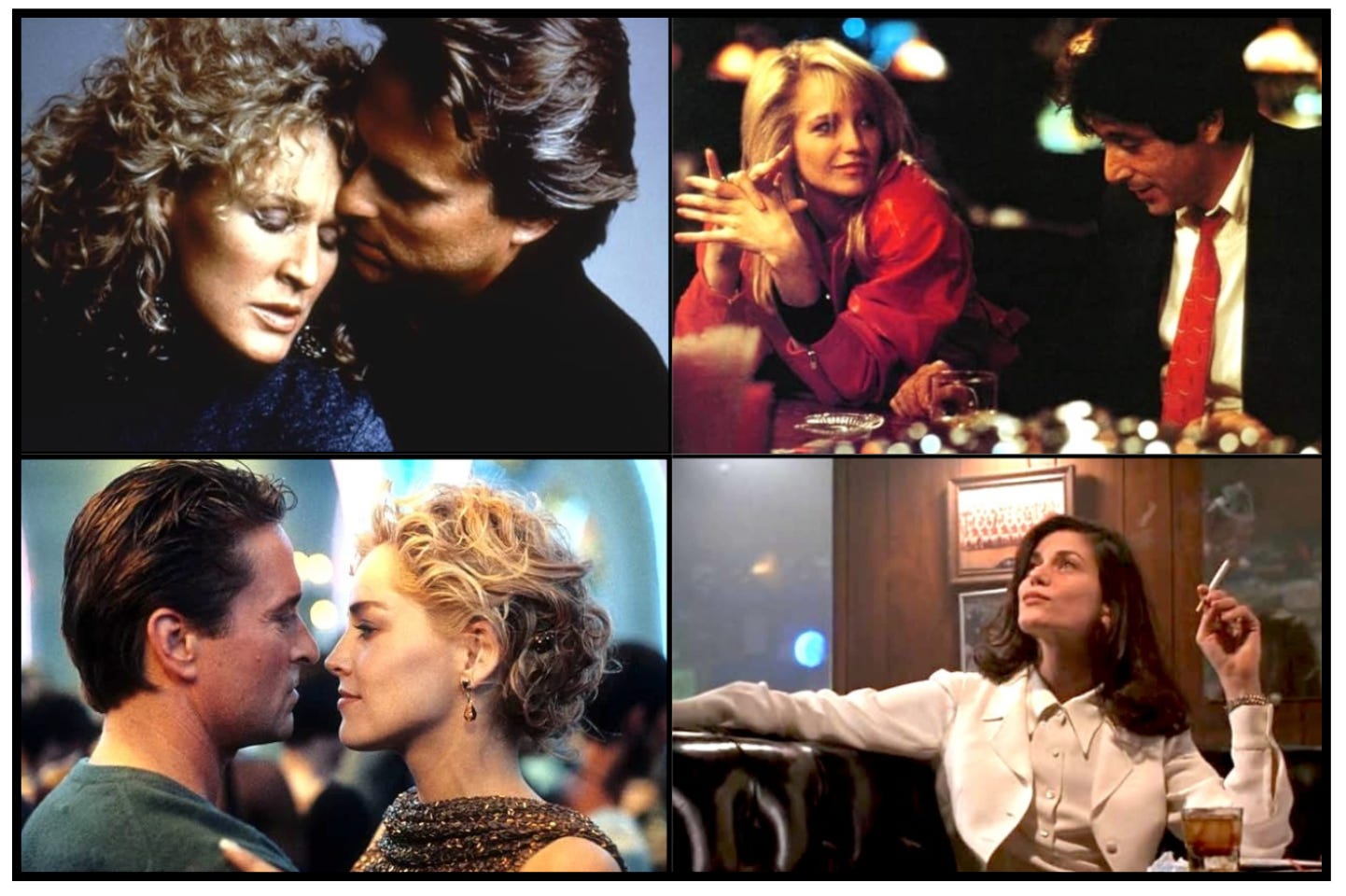
Because of Body Heat’s success, Hollywood began making other erotic thrillers throughout the 1980s and 1990s, such as Fatal Attraction, Sea of Love, Basic Instinct, and The Last Seduction. All of these movies were based on the sexual obsession and narrative blueprint first used by Body Heat.
This brings me back to where I started.
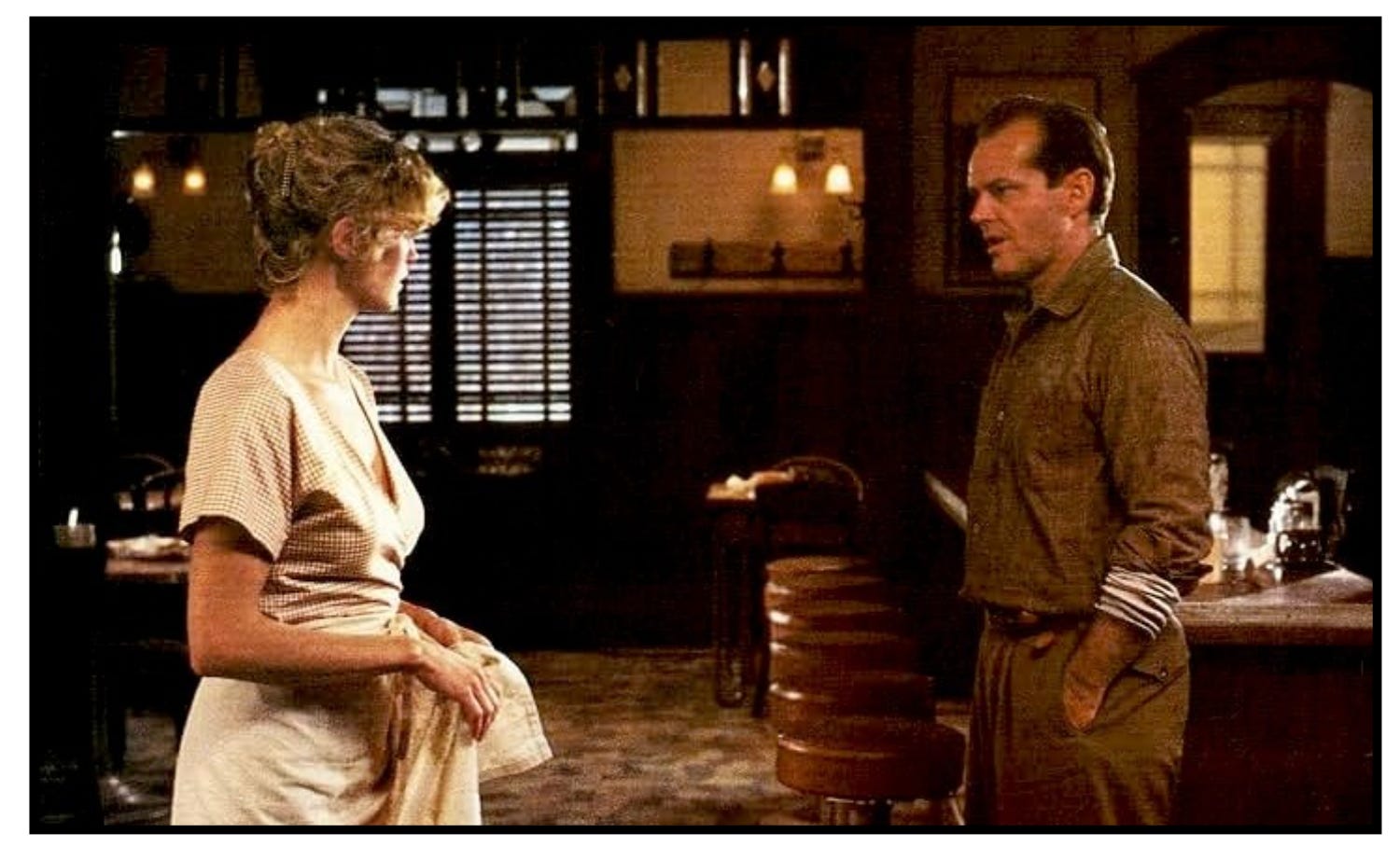
Bob Rafelson’s remake of The Postman Always Rings Twice had everything going for it: Jack Nicholson and Jessica Lange in the lead roles; Bob Rafelson directing; and a script by award-winning playwright David Mamet, based on James M. Cain’s novel.
In contrast, Body Heat had two actors at the start of their careers, a low budget of only 9 million dollars, and a first-time director who had never set foot on a set before.
Forty-five years later, the remake of The Postman Always Rings Twice is considered an artistic disappointment that occasionally turns up on a streaming channel. Meanwhile, Body Heat continues to be popular with cinephiles while still finding new viewers and fans, especially since it was just released in a new definitive 4K Blu-ray edition.
And then there’s the ending.
At the climax of Body Heat, Matty walks down to the boathouse, knowing it’s rigged to explode once the door is opened. Before she goes, she turns to Ned and says, “Ned, no matter what you think, I really do love you.”
I’ve watched this movie three times in the past two weeks, and it’s been hard to decide whether Matty really means what she says or if it’s just another one of her con lines.
What if Matty is actually being sincere? Maybe Matty really does love Ned, but she’s willing to sacrifice that love to do what’s necessary to get away with having her husband killed, inheriting his fortune, and then running away to a foreign land where no one will ever find her.
On the other hand, every other thing Matty says in the film turns out to have a second meaning, and I keep wondering whether that line is the one exception or the last con.
Kasdan doesn’t tell us at the end of the movie, and I don’t think that’s a cop-out. It’s the entire point. The heat makes people do things that they can’t explain afterwards. Ned spends the movie unable to tell lust from love and by the end, so do we.
So, which is it? Did Matty mean it? Was she being sincere or not?
If you enjoyed this article, you might like these other posts too:


